There’s a big difference between right here and over there.
One of the attributes needed to discern the difference is faith.
We’ve all misidentified rocks and steelhead and steelhead as rocks; maybe even given up and waded out to get a definitive answer and spooked fish in the process. Without evidence it’s hard to trust that a steelhead could be right here in front of us, way over there under that tree on the far shore, or down in that tailout. Steelhead are notorious for their maddening indifference. We know this. It’s time to choose our spots and believe.
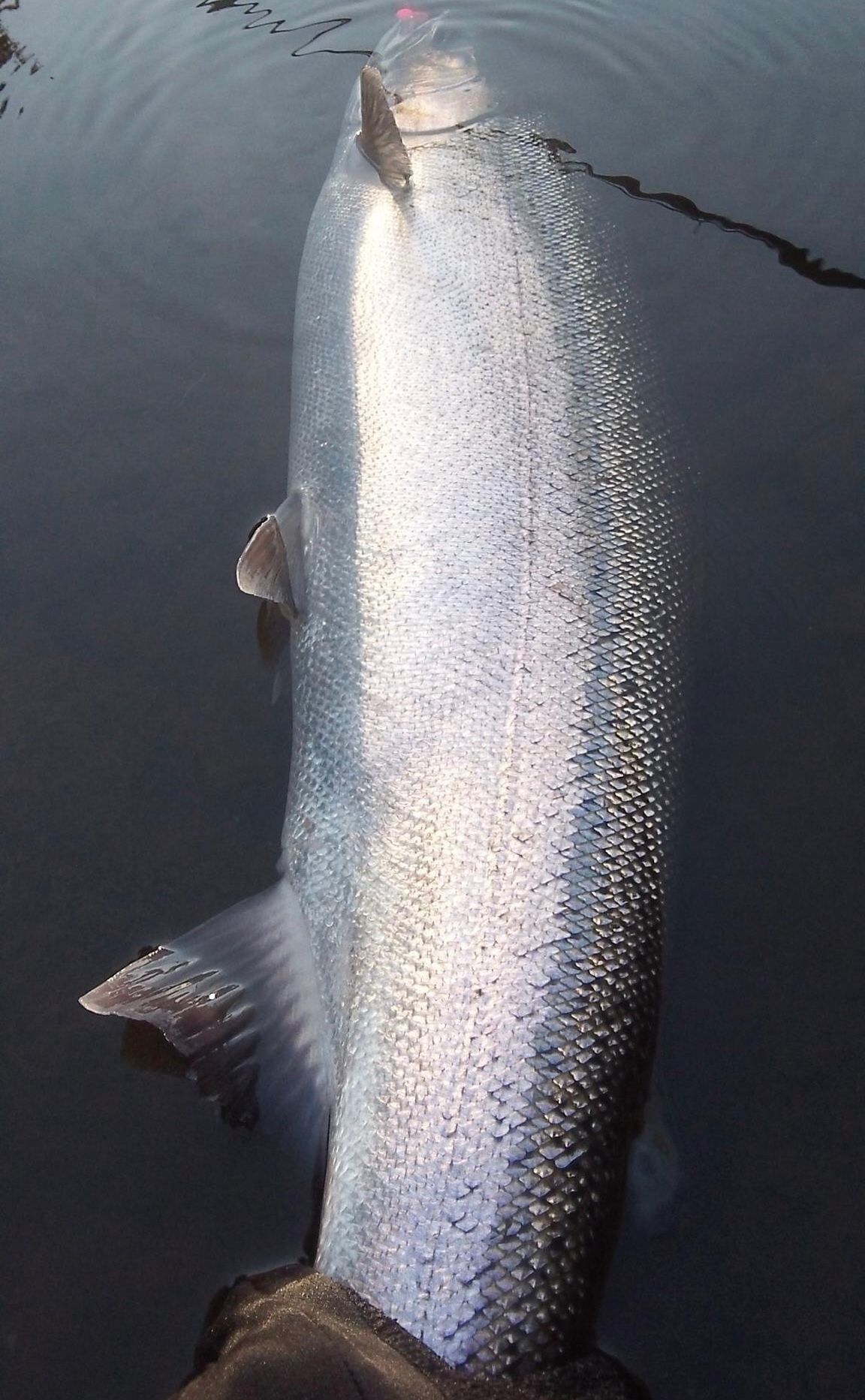
Over there
The main run is the main run. Fish it. But steelhead can tuck themselves under logs or behind rocks on the opposite shore especially in the small creeks you’ll find all over Southeast Alaska. If you happen to see a fish roll in one of those tucked-in spots, you can start to see similar holding zones everywhere. They are so obvious, but only after we see it. Like those 3D images with a hidden schooner that's visible only after you stare long enough.
The over there holding water provides intrigue that is usually reserved for hunting. Trying to pick out an ear or part of an antler in a clump of alpine cedars 348 yards down the ridge is a challenge. Diligent scanning and spending time hitting 30-inch holding spots occupied by 28-inch fish on the far side ups the intensity and makes for a far more compelling experience than mindlessly casting while wondering who your college football team is going to pick up in the transfer portal.
Right here
I grew up on rivers that I could cast across with a No. 4 Blue Fox spinner. The fish were out there so I’d send my lure over the current and pull it through the main drag. In my 20s, while fly fishing the Lower Sacramento River in Redding, California, I was confronted with the inability to cover a river that flows at 5,000 cubic feet per second. I waded out and began chucking as far as I could, mending with ferocity and hoping the nymphs sank into the feeding lane long enough for a trout to take.
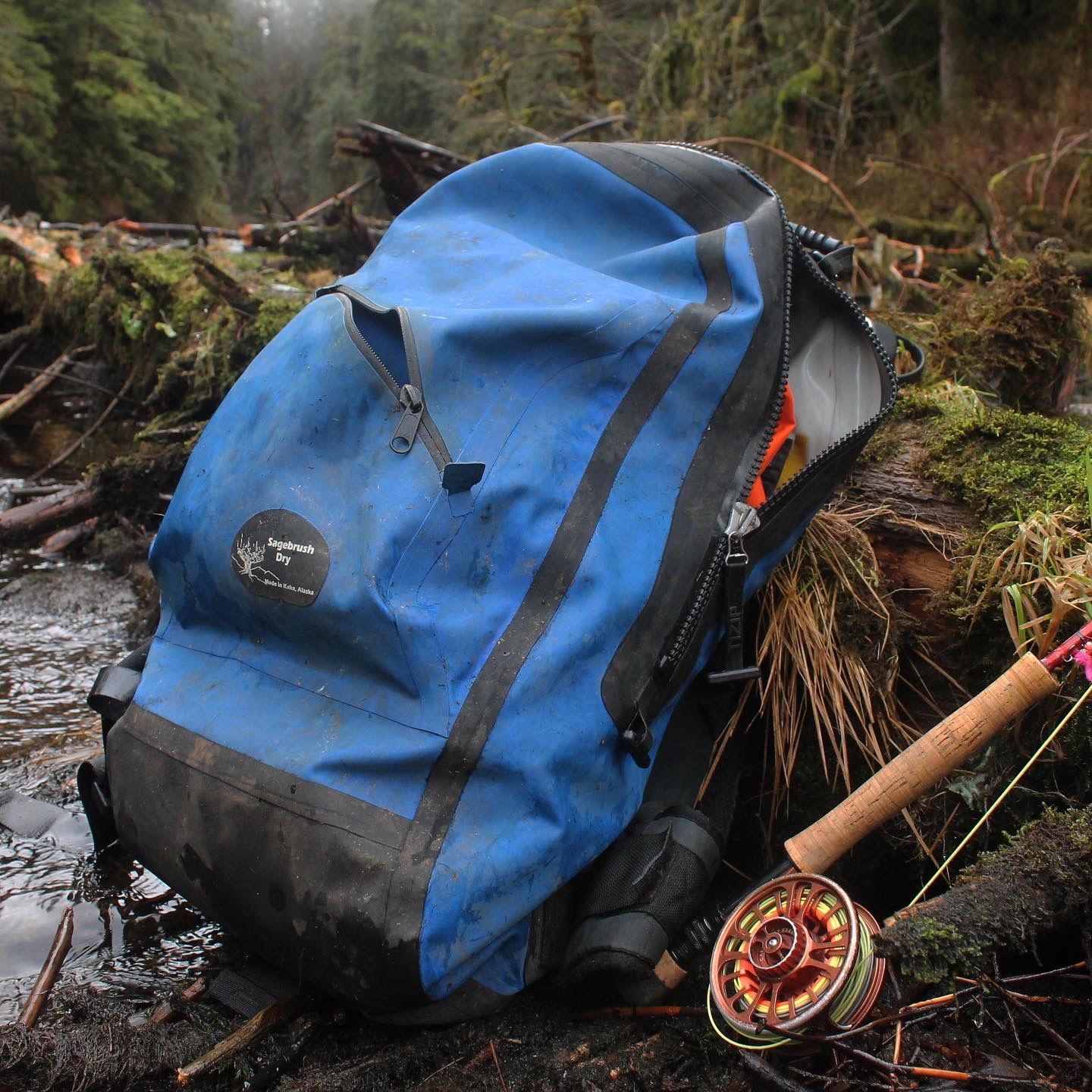
My buddy Kurt picked up a few footballs without getting his boots wet because trout were holding in the riffley calf-high water right next to the smooth-rocked shore. I didn’t need to brave the big water and challenge the grip on my wading boots to get further out. Trout were right here. Trout and steelhead don’t have to be a long chuck from shore. Steelhead hold in pockets behind rocks a short rollcast from dry land. We know this. This is obvious. But that doesn’t keep us from overlooking this fact in our excitement to bomb casts with our new fast action 7-weights. Sometimes it makes more sense to fish where we want to stand first, then wade deeper than our boots.
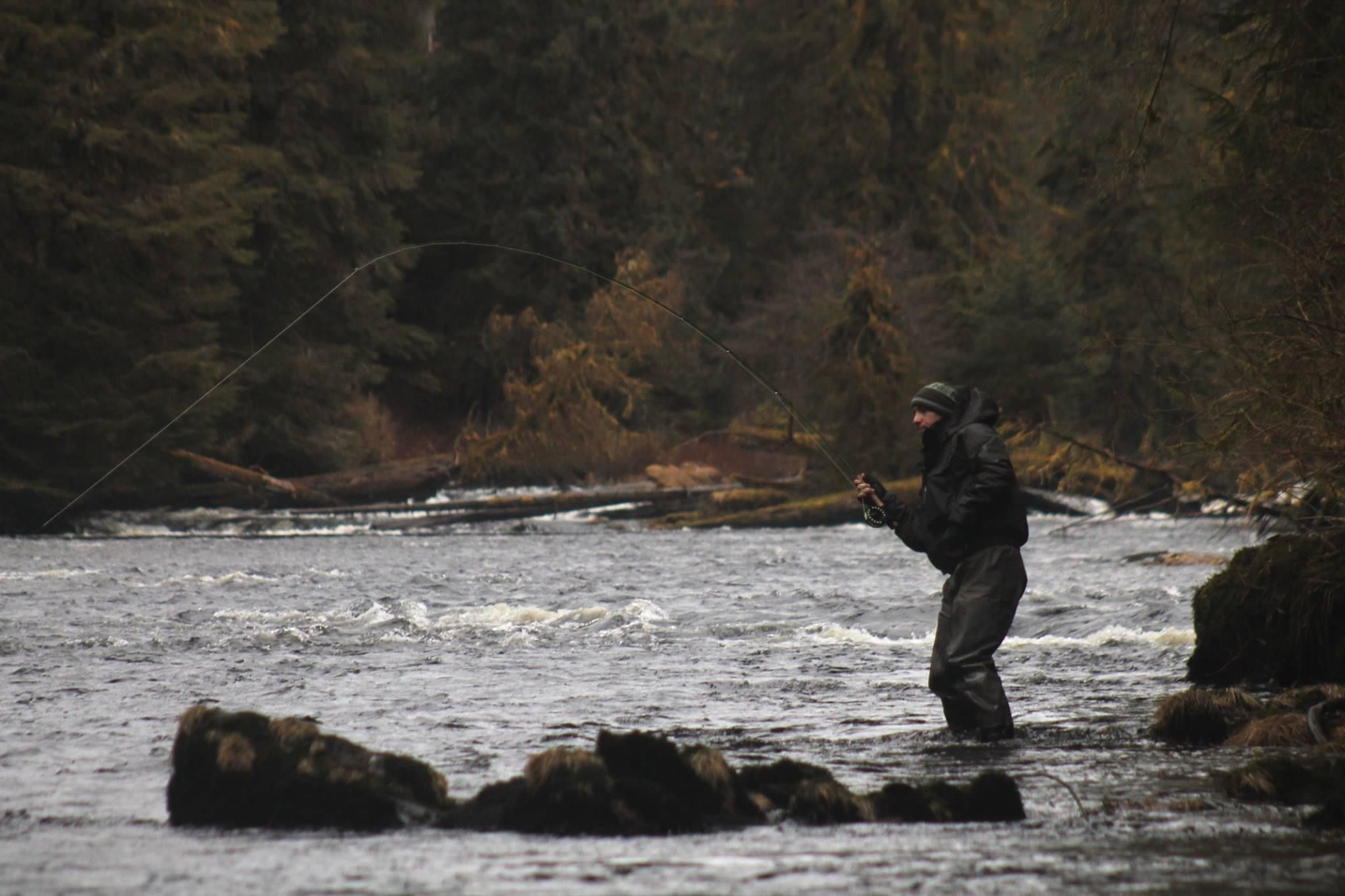
Faith
If we’re smart, we can learn universal truths from water and take them back with us. Skills are transferable and though certain methods might be more productive on particular rivers, most experiences can help us fish our home water more effectively. Still, the key attribute of a good steelhead angler is as obvious as holding water–we must have faith.
I am not exceedingly disciplined or thorough. No one would look at my garage and assume I am meticulous or the type of person to fish a river inch-by-inch in an obsessive manner. I’m not neurotic or compulsive–those words should be saved for the true fanatics, the true steelhead bums.
But I know the more disciplined, patient and attentive I am, the more takes I will get both right here, and over there.
About Jeff Lund:
Jeff grew up on Prince of Wales Island in Southeast Alaska and now teaches and writes in Ketchikan. He is author of three books including:
Big Wild Life
2025
Beyond the Hunt
2023
A Miserable Paradise: Life in Southeast Alaska
2021
Jeff is a member of BHA and generously contributes his work related to our issues, to our blogs here.
871