What’s at Stake With the Arctic Mine Project
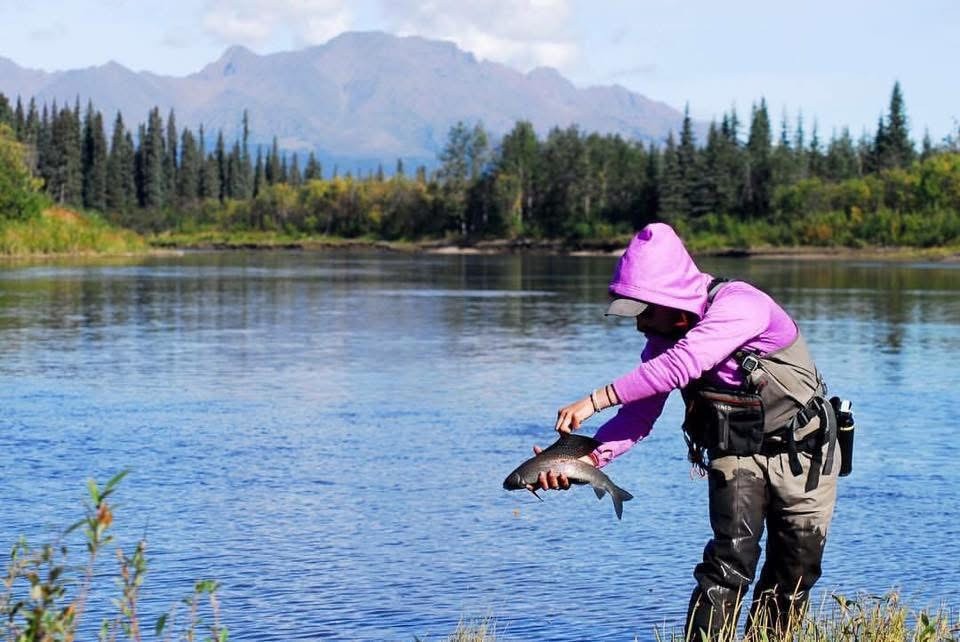
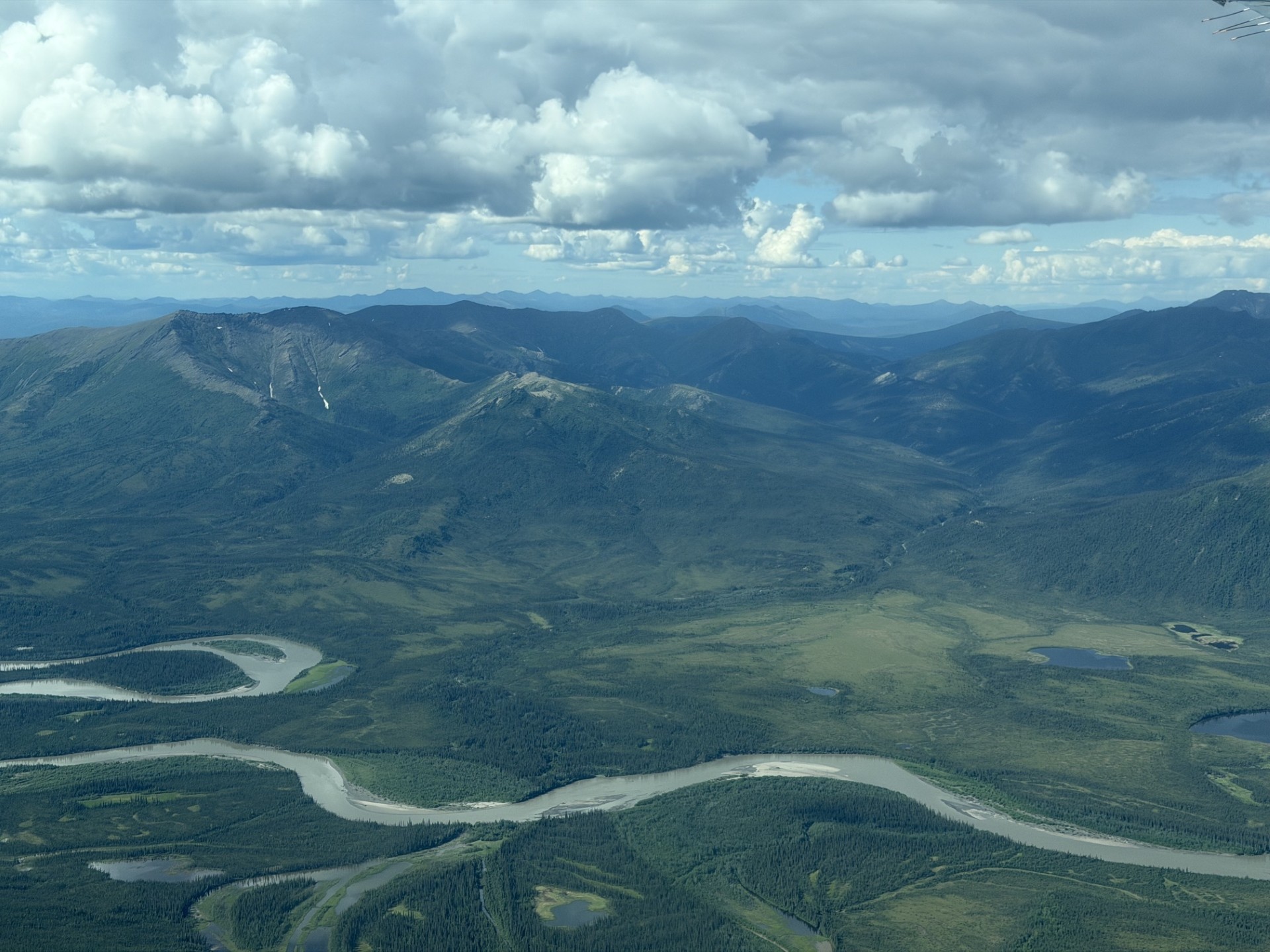
The Brooks Range is one of North America’s great remaining wild landscapes. It is home to healthy fish and wildlife populations, supports hunting, fishing, trapping and subsistence, and provides opportunities for Alaskans and visitors to experience country that remains remarkably remote and undeveloped. That’s what makes it so valuable.
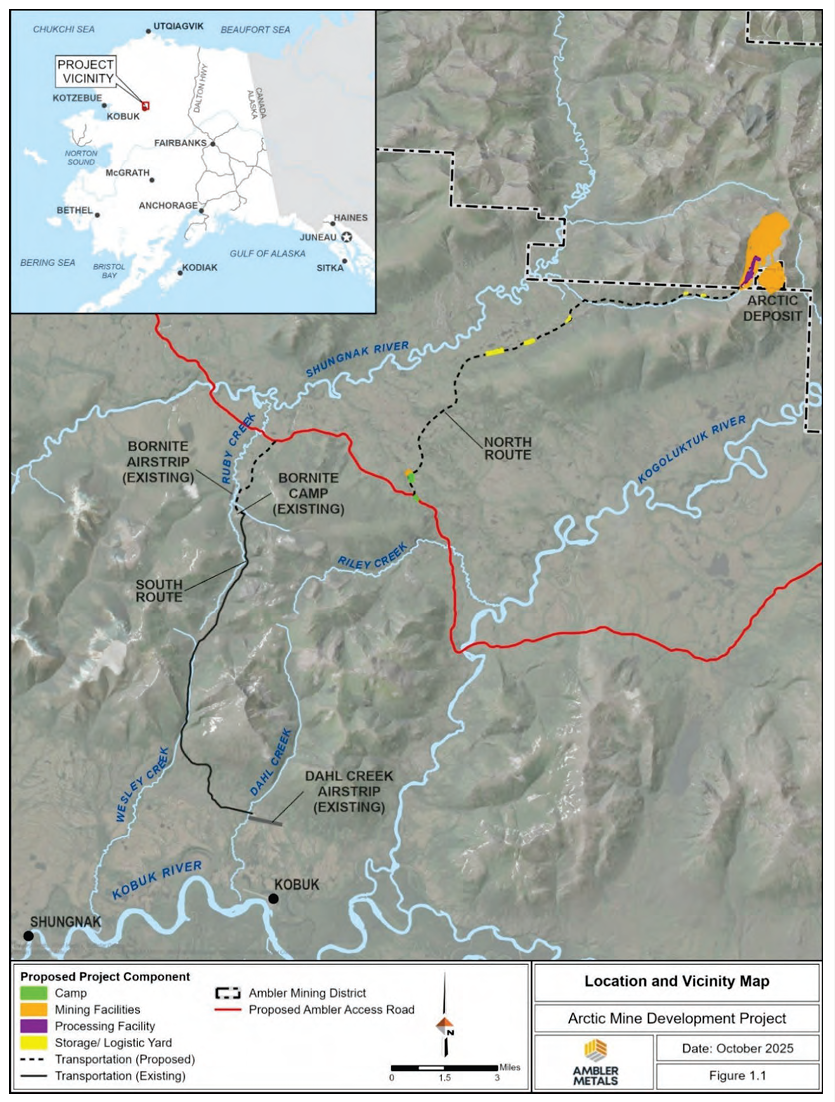
Now, a proposed large-scale mine in the Ambler Mining District is entering the federal environmental review process, and the public has an opportunity to weigh in.
The U.S. Army Corps of Engineers (USACE) is preparing an Environmental Impact Statement (EIS) for the Arctic Mine Development Project. This mine is a proposed open-pit copper, zinc and lead mine that would also recover commercial quantities of gold and silver. The project is currently in the scoping phase, with public comments accepted through November 2, 2026.
The proposed mine would process approximately 10,000 metric tons of ore per day and operate for an anticipated 13 years. It would include an open pit, processing facilities, waste-rock and tailings facilities, water-management infrastructure, roads and other support facilities. This project would permanently impact wetlands and other waters at the mine site, and concentrate would ultimately be transported out of Alaska for shipment to off-site smelters or refineries.
Responsible resource development has a place in Alaska. But the question with this project, is whether it is being evaluated honestly and comprehensively enough to understand what it could mean for the fish, wildlife, public access and outdoor opportunities that make the Brooks Range so valuable.
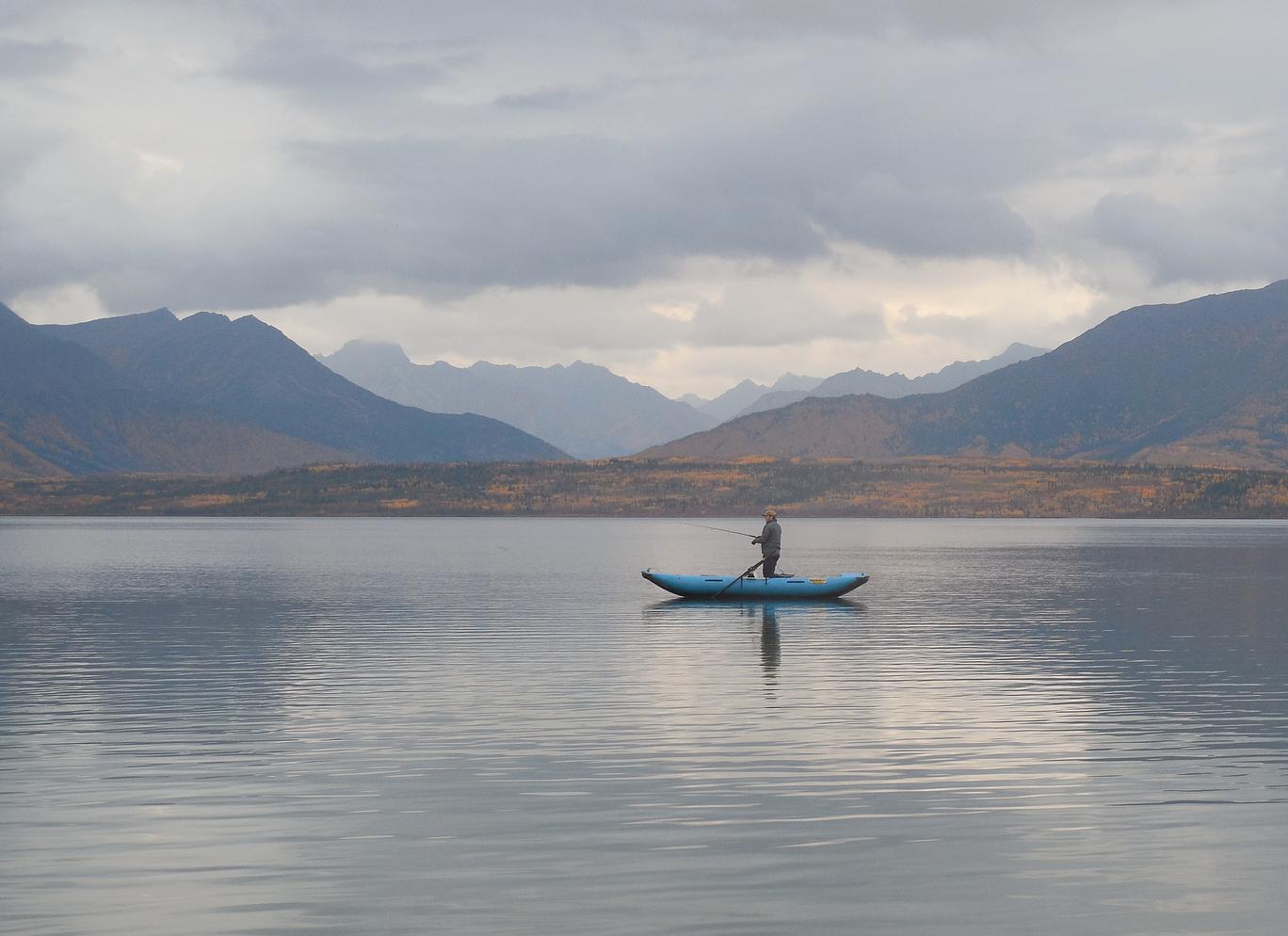
The Arctic Mine Development Project is heavily dependent on roads
One of the most important issues for the EIS is the Arctic Mine Development Project's relationship with the Ambler Access Project, the recently permitted transportation corridor connecting the Ambler Mining District to the existing road system.
The Arctic Mine Development Project's proposed access system would connect the mine to the Ambler Access Project, allowing ore concentrate to be trucked from the mine through Fairbanks, down to Valdez,then transported by rail and marine vessels to off-site processing facilities. This means that the environmental review needs to look beyond the mine footprint itself.
A mine, its transportation infrastructure and the development that infrastructure could enable, can collectively change a landscape. The EIS should examine those direct, indirect and cumulative effect. This includes impacts to fish and clean water, wildlife movement and habitat, hunting and fishing access, subsistence, recreation, and the character of the surrounding backcountry.
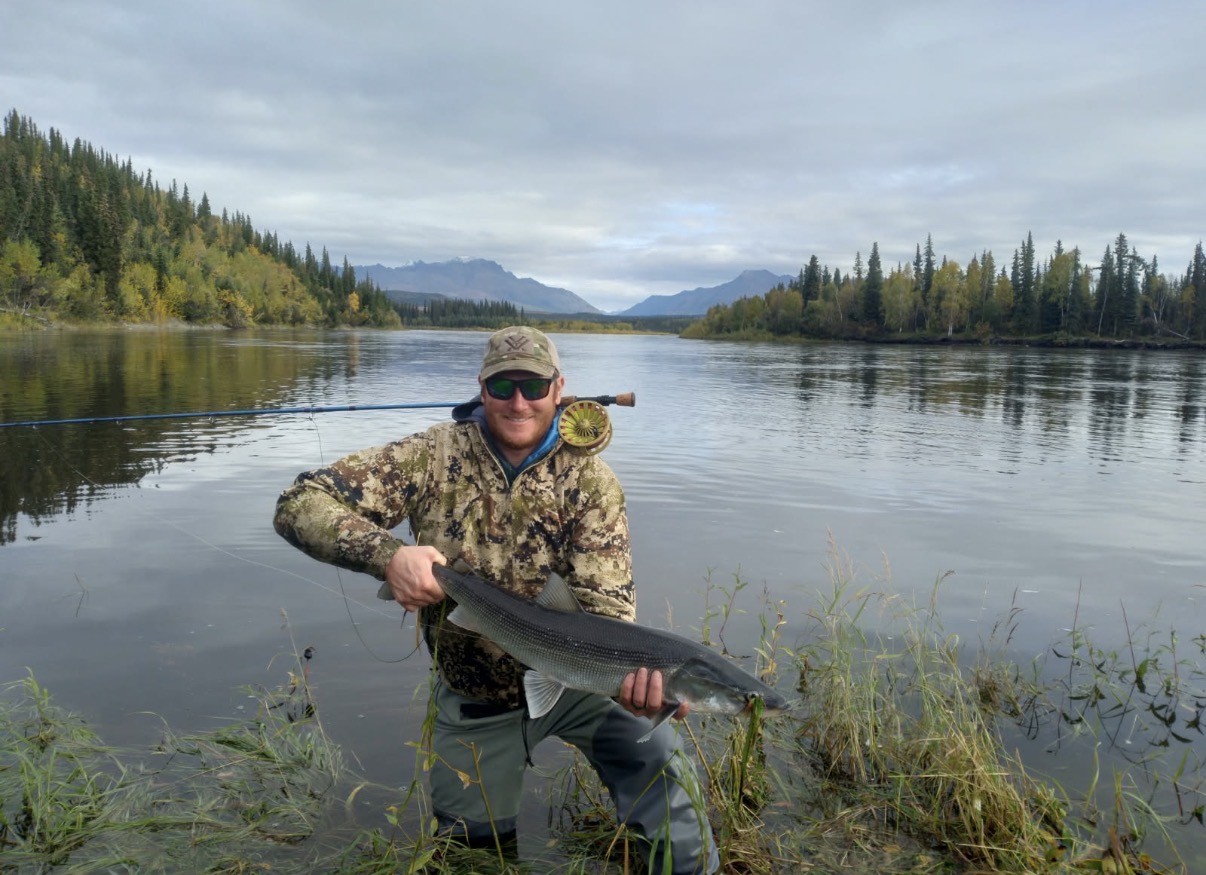
The proposed Arctic Project is connected to the proposed Ambler Access Project, and that relationship deserves careful consideration in the Arctic Project EIS.
But keep your comments focused on the Arctic Mine Development Project.
The Arctic Project and the Ambler Road are separate federal actions with separate permitting processes. If you are concerned about the Ambler Road (and we are) you should participate in that project's separate public process.
For this comment period, ask USACE to examine how the Arctic Project's reliance on transportation infrastructure affects the mine's impacts, alternatives, feasibility, and reasonably foreseeable effects. One simple way to communicate this is:
"I recognize that the proposed Arctic Mine Development Project depends on transportation infrastructure connecting the mine to the Ambler Access Project. I have separate concerns about the Ambler Road and its impacts to the Brooks Range, but my comments here are focused specifically on the Arctic Project. I ask USACE to fully evaluate the project's dependence on this infrastructure and the direct, indirect, and reasonably foreseeable impacts associated with that relationship."
Fish and wildlife
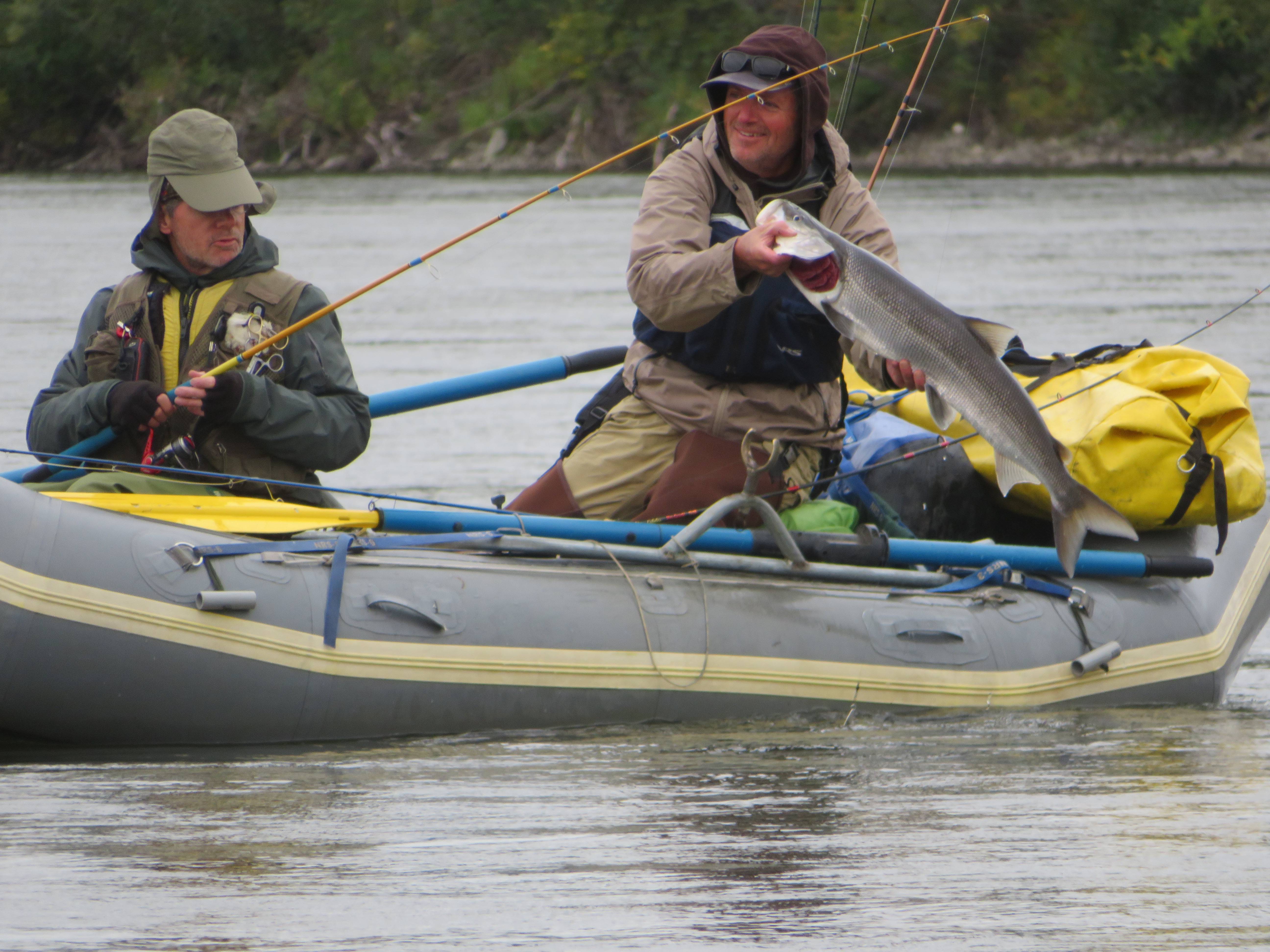
The Brooks Range is a functioning landscape supporting caribou, Dall sheep, moose, bears and other wildlife, along with fish and intricately connected aquatic systems.
The Arctic Mine Development Project would require extensive water-management infrastructure, waste-rock and tailings facilities, roads, and other development. The proposed tailings facility would be located at the headwaters of Subarctic Creek, with an engineered dam and water-treatment system designed to manage contact water before discharge. Those systems deserve careful scrutiny over the full life of the project. This includes construction, operation, closure and reclamation.
The EIS should examine potential effects from sedimentation, changes in water quality and flow, mine waste, spills, infrastructure failure, permafrost conditions and long-term water treatment. BHA will also be asking USACE to also consider how industrial activity, traffic, aircraft and noise could affect wildlife behavior and people's ability to hunt, fish, trap, and recreate.
Alaskans deserve a complete picture
This is exactly what the environmental review process is supposed to provide: the information needed for agencies and the public to understand a project's potential consequences and consider alternatives.
BHA is asking USACE to conduct a thorough review of the Arctic Mine Development Project and its broader development context. That means examining not only the mine itself, but also its transportation needs, reasonably foreseeable development, cumulative effects and long-term environmental responsibilities.
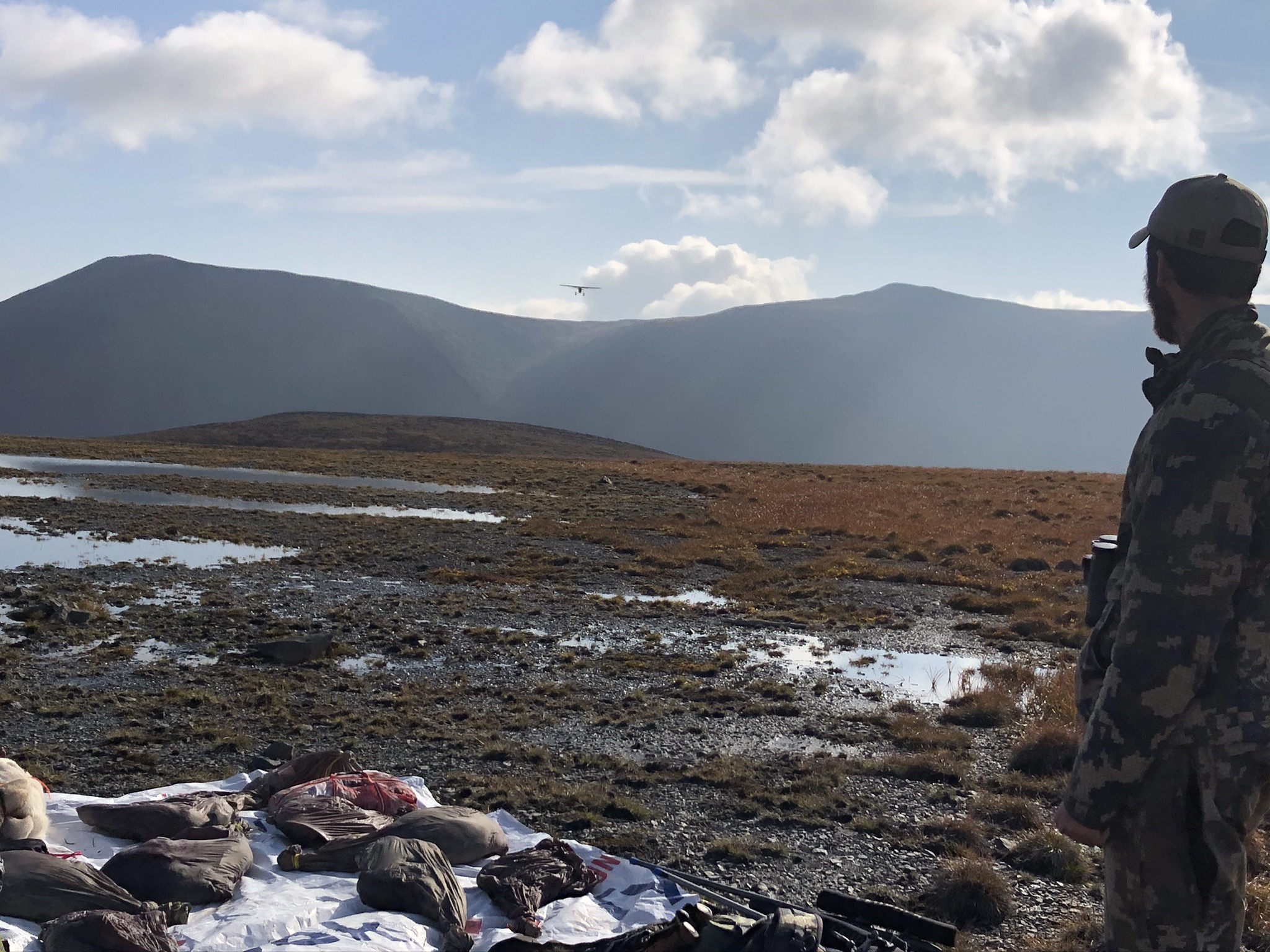
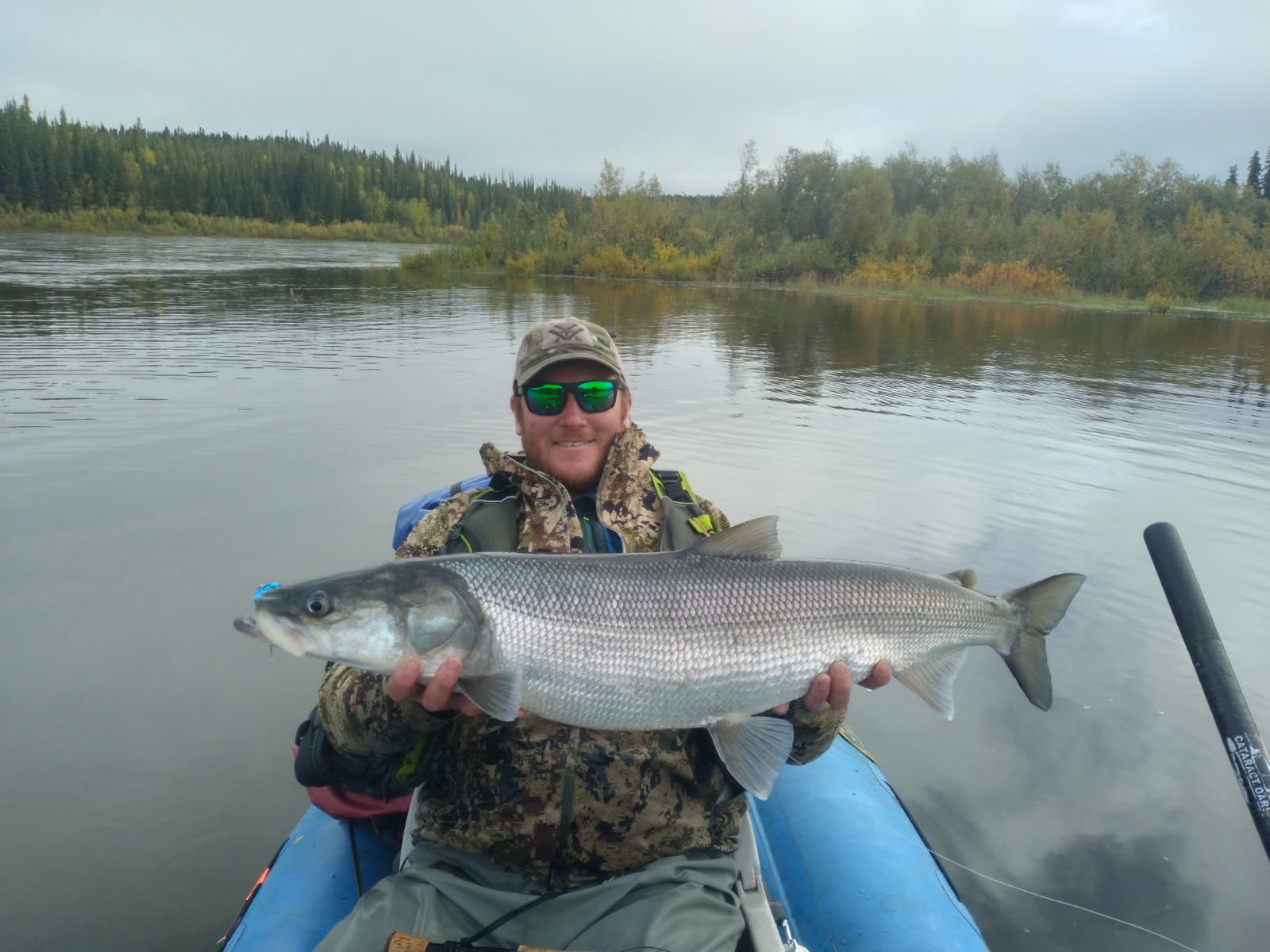
If you're an Alaskan, tell USACE how you use and value the Brooks Range. If you hunt, fish, trap, float, guide, recreate or depend on subsistence resources, explain what those experiences mean to you.
If you're a BHA member from outside Alaska, you can speak to the importance of Alaska's wild public lands and waters as part of our nation's shared hunting and fishing heritage.
Most importantly, make your comment specific to the Arctic Project. Personal experience matters, but so does asking the agency to examine the issues that could affect fish, wildlife, water, access and the future of the Brooks Range.
Speak up for the Brooks Range
The public comment period is open through November 2, 2026.
Take a few minutes to tell the Army Corps what you think the EIS needs to examine and why these wild lands and waters matter to you.
Submit your comment by November 2, 2026
COMMENT ON THE ARCTIC MINE DEVELOPMENT PROJECT
Your comment does not need to be long.
Tell USACE what you want the agency to study and why it matters.
67