The Tongass Forest Plan Revision:
A Critical Opportunity for the Nation’s Largest National Forest and Wildly Productive Public Lands
Written by Mary Glaves, Alaska Program Manager
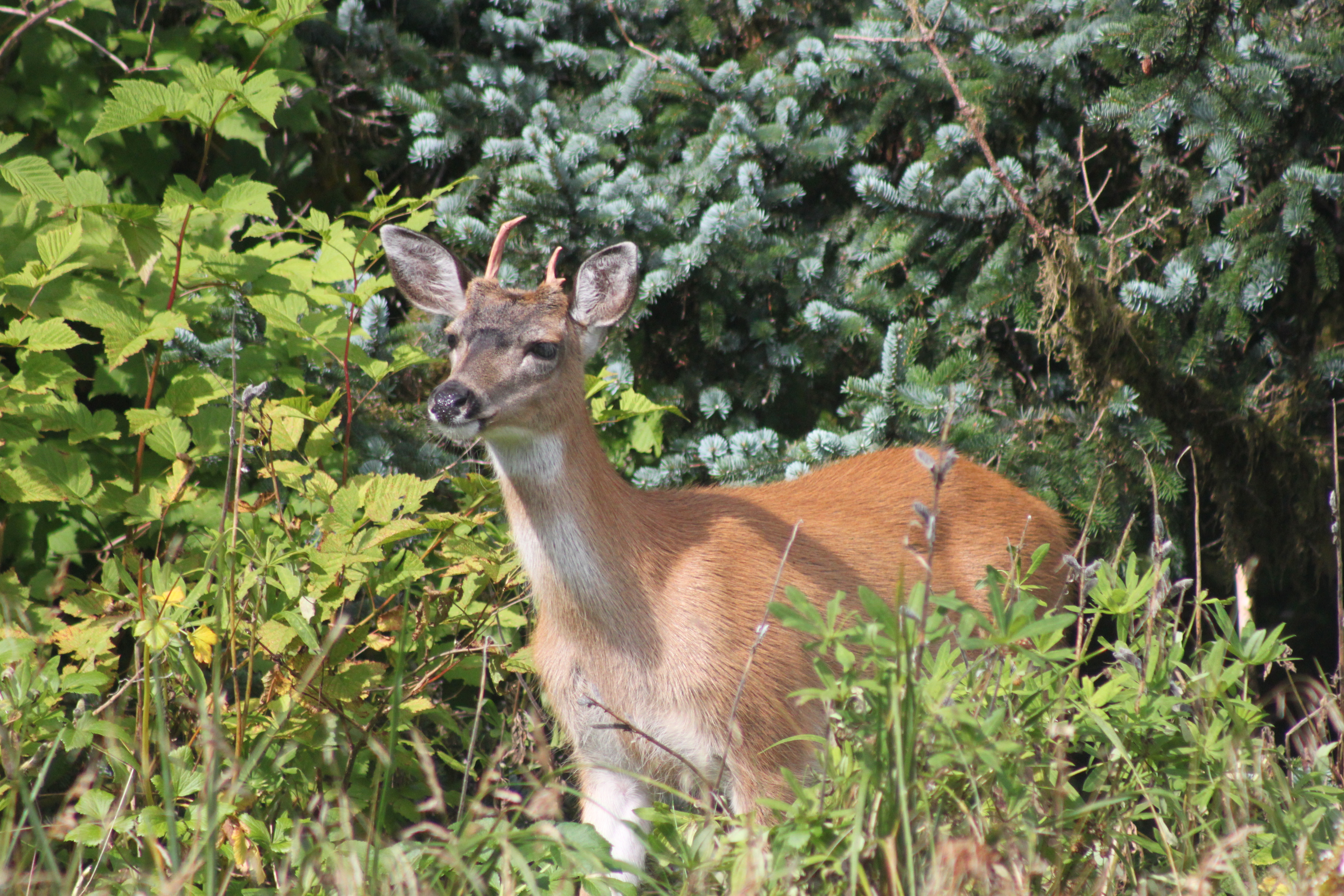
The Tongass National Forest is entering a new phase of long-term planning that will shape management direction for decades. The U.S. Forest Service is currently engaging Southeast Alaska communities and accepting public input as part of the Draft Environmental Impact Statement (DEIS) process. This phase of the Tongass Forest Plan Revision represents a pivotal opportunity to review the Forest Service’s first draft of the plan, and help ensure that management direction reflects ecological realities, supports sustainable and prosperous economies, as well as provides long-term certainty for communities and public land users.
The Tongass is Built on Fish and Wildlife
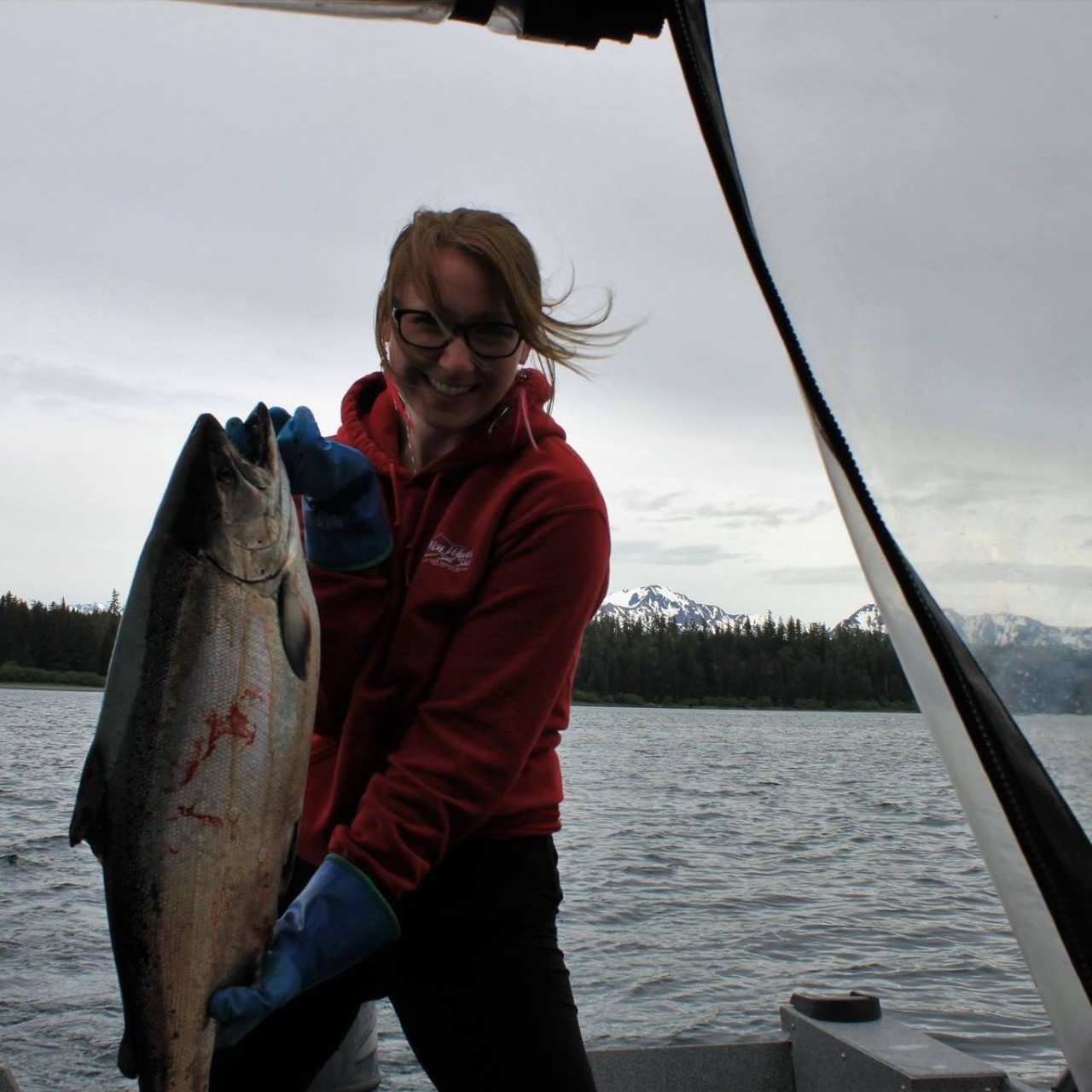
Southeast Alaska’s economy and culture are inextricably tied to fish and wildlife resources. Salmon systems, in particular, function as the ecological backbone of the Tongass. These systems support commercial, recreational, and subsistence fisheries, as well as terrestrial wildlife and broader ecosystem processes.
While the preliminary draft materials include positive movement toward some watershed-scale management and restoration, salmon are not yet adequately elevated as a primary driver of management direction. This represents a significant gap that should be addressed in the Draft EIS and subsequent plan alternatives.
Strengthening a Watershed-Based Approach
Backcountry Hunters & Anglers supports a management framework that prioritizes watershed integrity as the organizing principle for conservation and use. In particular, the Forest Service should incorporate and prioritize protections for high-value watersheds identified through the Southeast Alaska Habitat Enhancement & Restoration for Deer Stewardship (SEAK HERDs) collaborative. These areas represent a convergence of highly productive salmon systems, critical deer habitat, and priority landscapes for restoration investment. Ensuring these watersheds remain intact and functionally connected will deliver measurable benefits for fisheries, wildlife populations, and local economies.
Integrating Deer Habitat and Young-Growth Transition
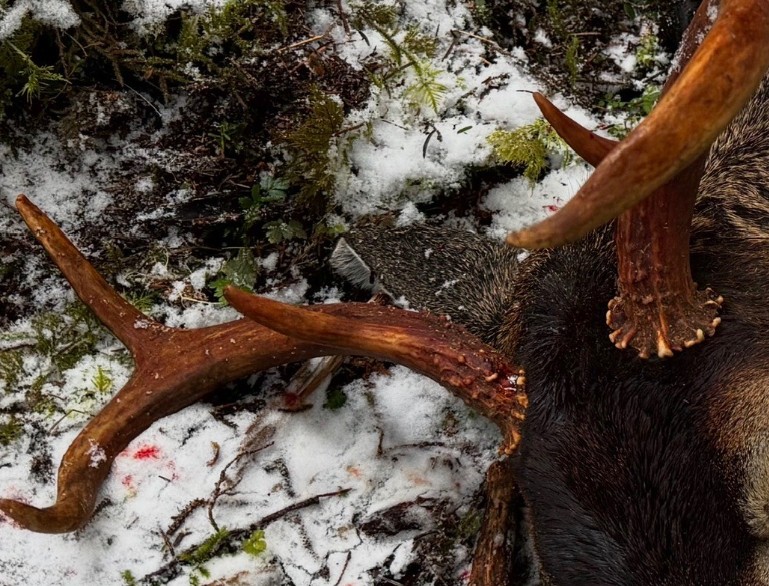
The revised plan should also more clearly integrate a science-based approach to Sitka black-tailed deer habitat. Young-growth management can easily be restoration-driven, with treatments prioritized in areas that improve forage and winter habitat, enhance connectivity between old-growth stands, and align with areas of high hunting use and community dependence. This approach also supports both ecological outcomes and a sustainable, restoration-based forest economy.
Addressing Fragmentation and Long-Term Impacts
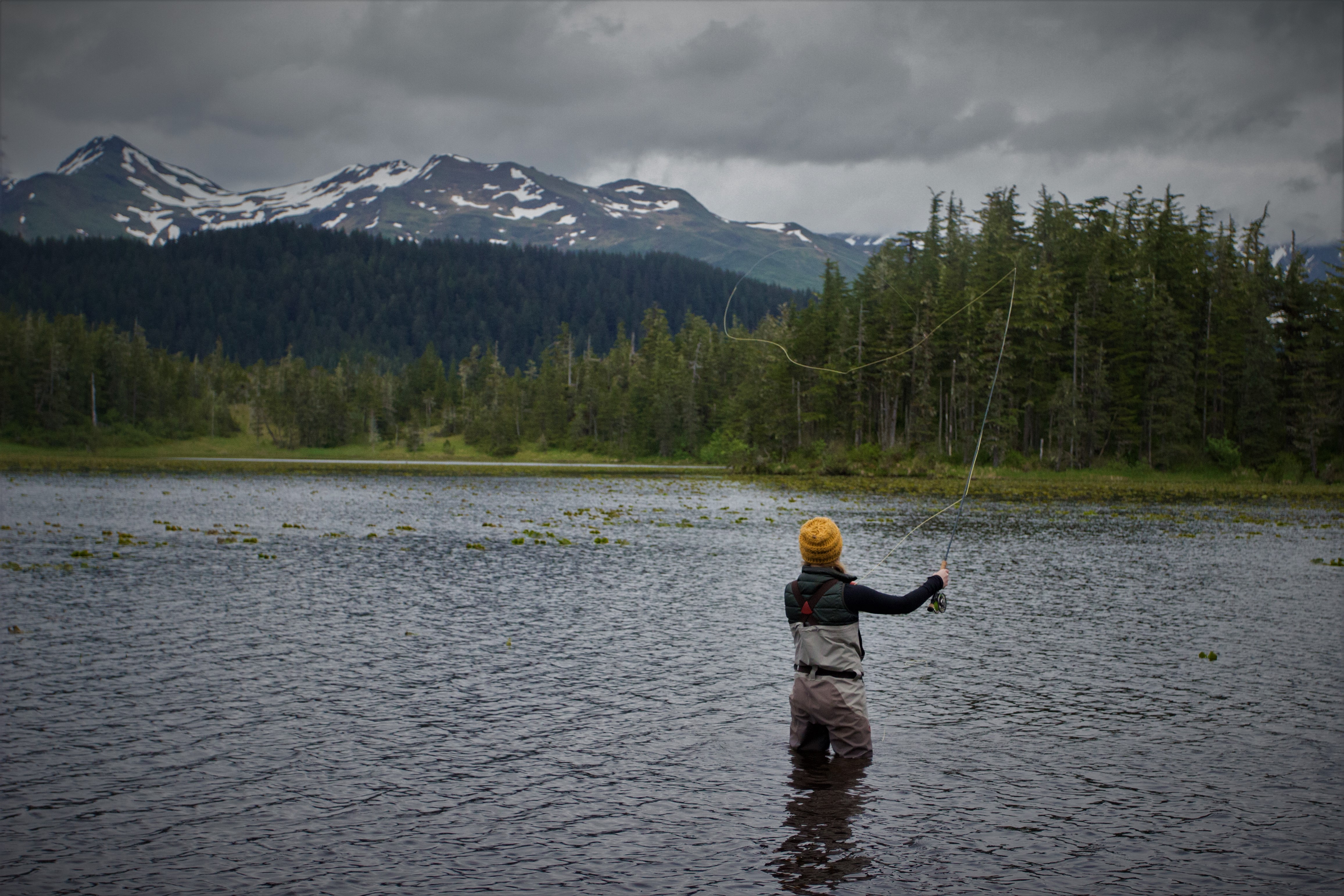
The Draft EIS is currently lacking a robust analysis of cumulative impacts associated with road building, timber activity, and changing environmental condition, which need to be addressed in order to direct these activities responsibly. Maintaining intact landscapes, particularly in high-value watersheds, will be essential to sustaining fish and wildlife populations, as well as the hunting and fishing opportunities that depend on them. Timber harvest and access to that harvest should be weighted against industry need and risks to intact habitat and industries that rely on those habitats.
The Forest Plan should be adaptable and provide long-term stability. Frequent shifts in management direction have created uncertainty for communities, stakeholders, and resource users. A durable, science-based plan that reflects local knowledge and values will better serve Southeast Alaska over time.
Public Participation in the Forest Planning Process
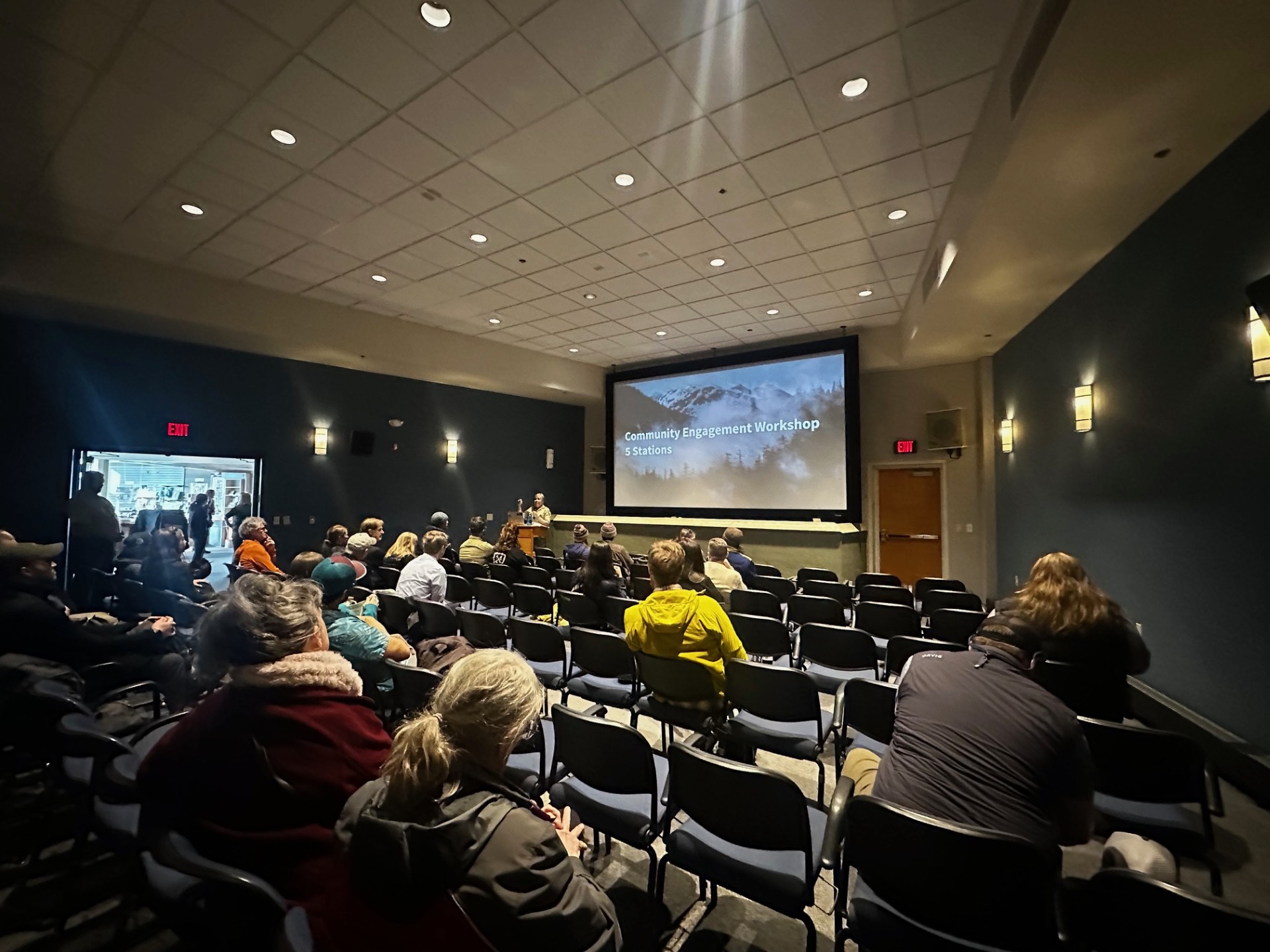
Throughout the month of April, community meetings are ongoing, and the public comment period for the Draft EIS is open. Input received during this stage will directly shape the range of alternatives considered and the final management direction of the Tongass. For those who rely on the Tongass and make their lives here, participation in this process is essential.
1013