The Texas Chapter of Backcountry Hunters & Anglers recognizes the Administration’s efforts to prioritize border security and the challenges that come with the vast and varied topography of the Southern border. However, BHA has significant concerns about a proposed physical wall through the Big Bend region and the subsequent impacts to our North American heritage of hunting and fishing in a natural setting. Physical walls are permanent fixtures on the landscape that restrict big game movement, and ecological damage to the region caused by construction is inevitable and irreversible.
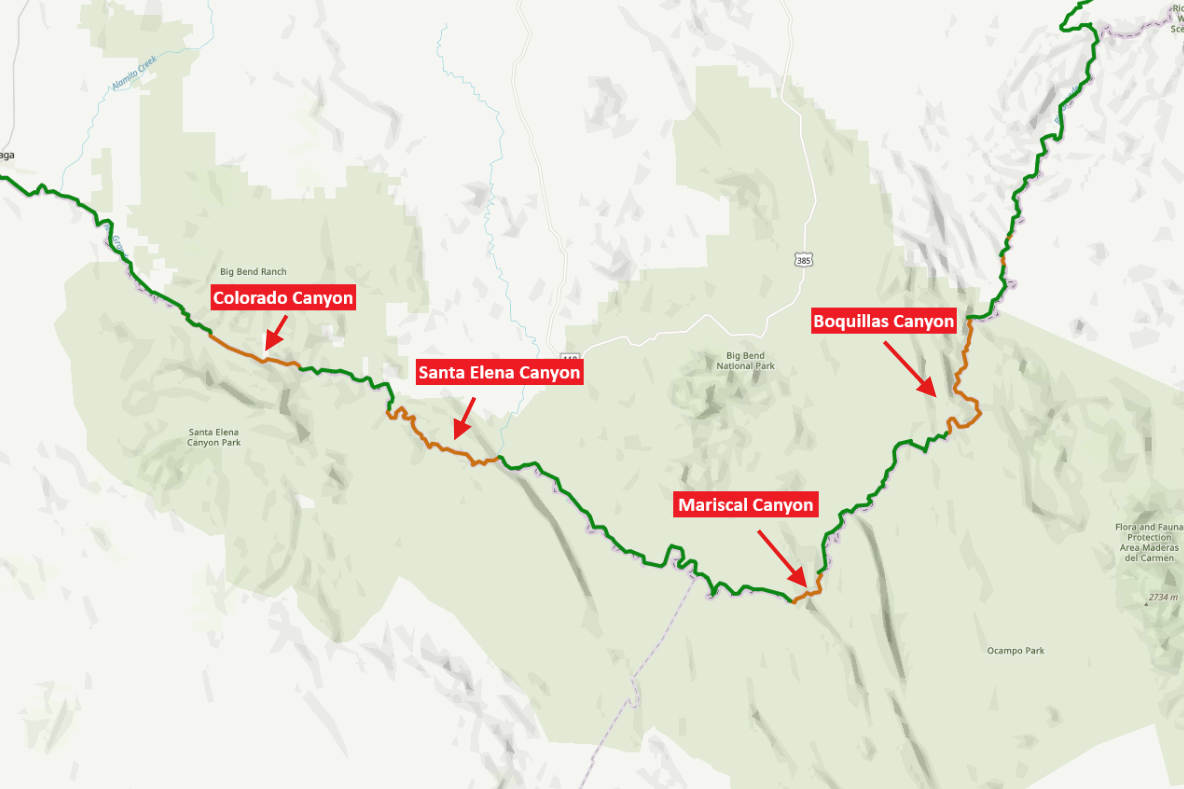
The proposed wall would block native wildlife from accessing the Rio Grande, a precious source of water in the arid West Texas desert. It would block critical movement pathways for black bears, mountain lions, bighorn sheep, pronghorn, and hundreds of bird and reptile species. It would block popular hiking trails, and it would permanently scar the beautiful Santa Elena and Boquillas Canyons.
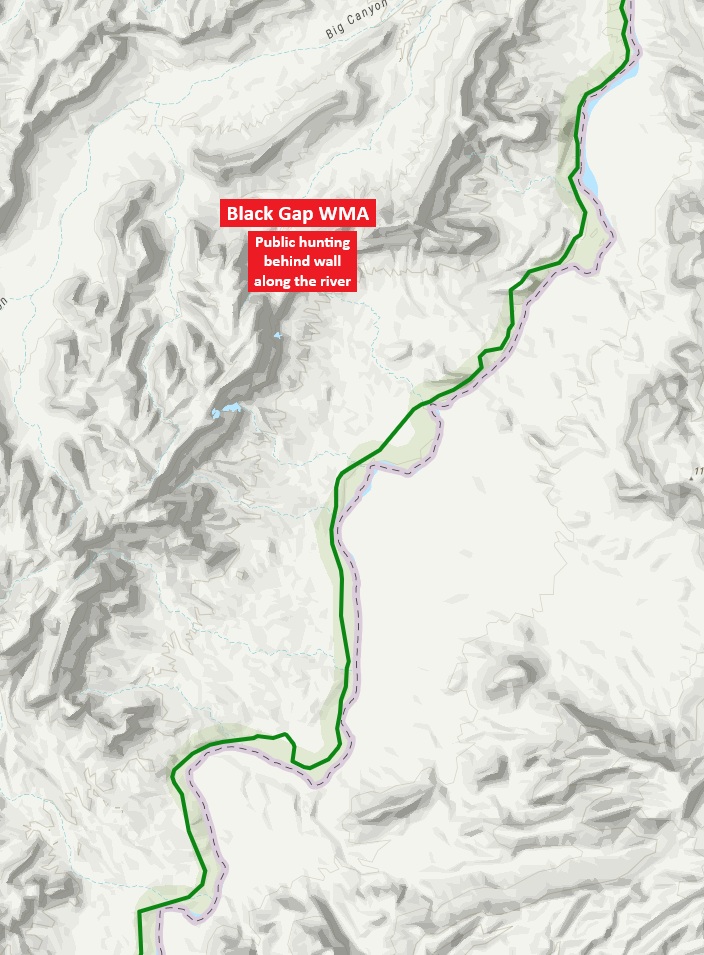
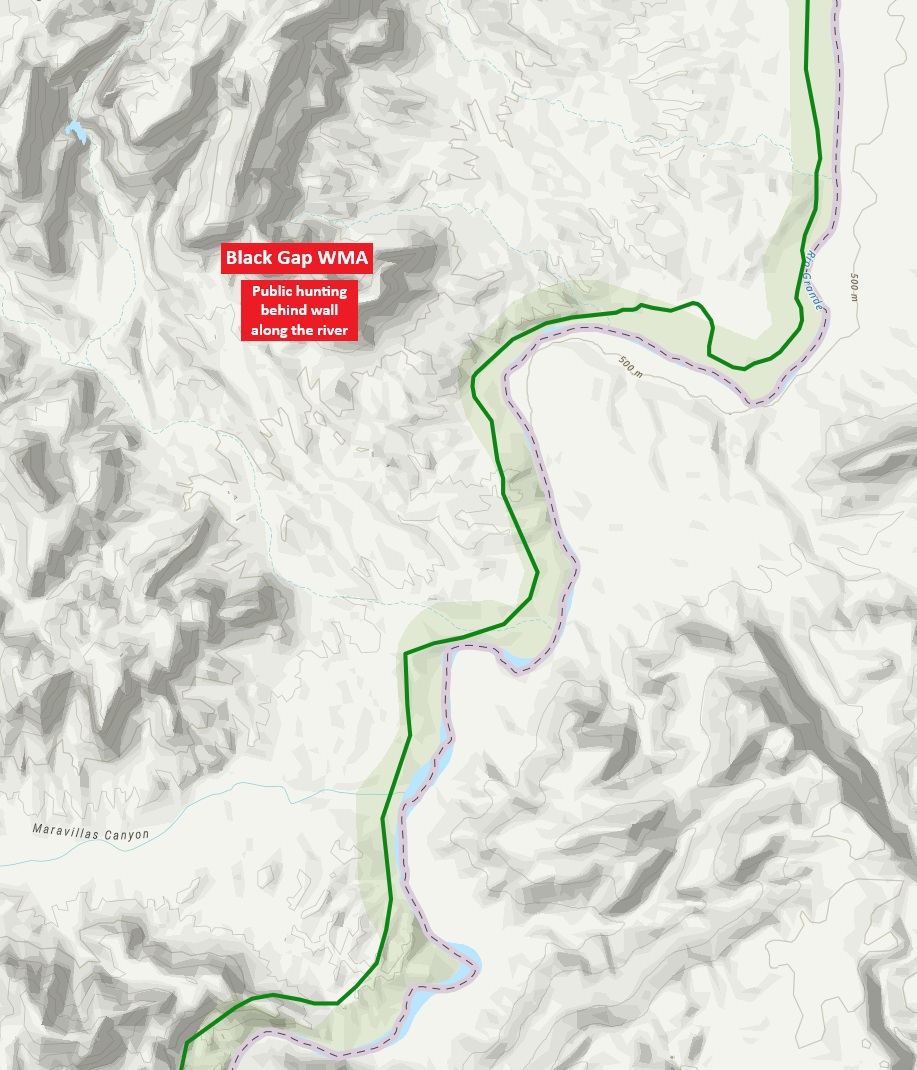
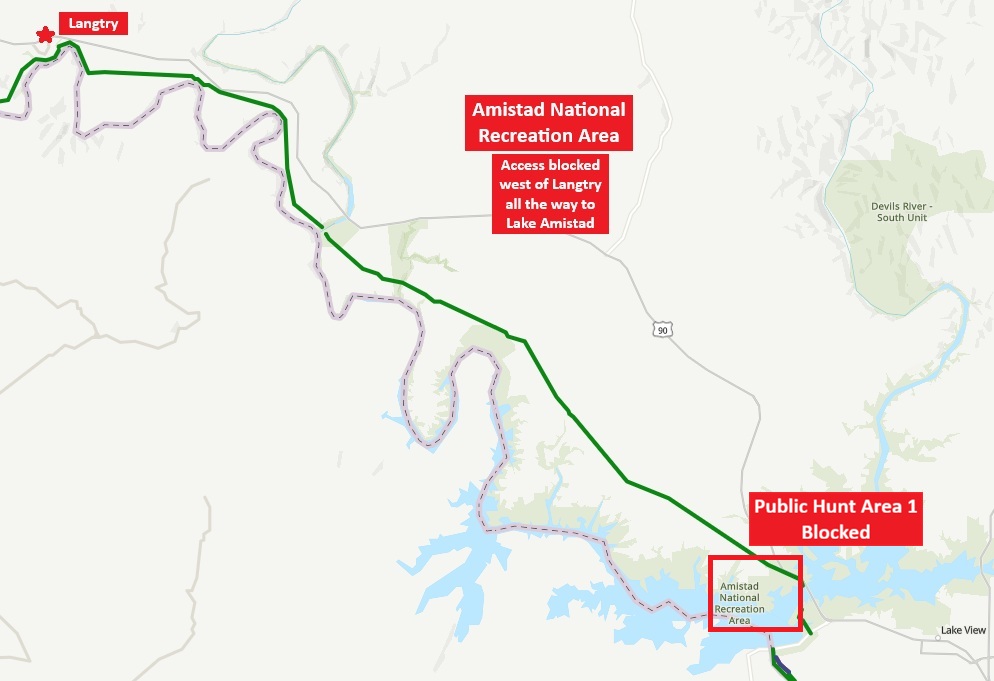
It would close-off access to nearly 200 miles of the Rio Grande for American paddlers, river guides, anglers, land stewards, and sightseers – from Big Bend National Park to Amistad National Wildlife Refuge.
Once done, the damage can't be undone.
Big Bend National Park and Big Bend Ranch State Park make up a third of all public land in Texas. Black Gap Wildlife Management Area is the largest WMA in the state, and the section of the Rio Grande that flows through it is designated by the federal government as a Wild and Scenic River. The public land and water adjacent to the border provide hunting and fishing opportunities unlike any other in Texas.
 .
. 
The Big Bend region is by far the least trafficked sector for illegal immigration across the entire southern border, according to CBP data since 2023. While securing the border is important, Texas BHA urges our legislators, the Department of Homeland Security, Customs and Border Protection, and the current administration to employ alternative strategies to enhance border security that are more cost-effective, more practical, and less disruptive to the landscape.
We encourage leaders and supporters, regardless of political affiliation, to set aside partisan politics and come together to conserve one of the state’s most unique and beautiful landscapes.
1577

Devin O'Dea
Devin O’Dea is BHA’s Western Policy & Conservation Manager.
Other posts by Devin O'Dea
Contact author