"
Last fall, during the first Roadless Rule comment period, we asked BHA members to share their stories of what Roadless Areas mean to them.
Here's some of those stories:
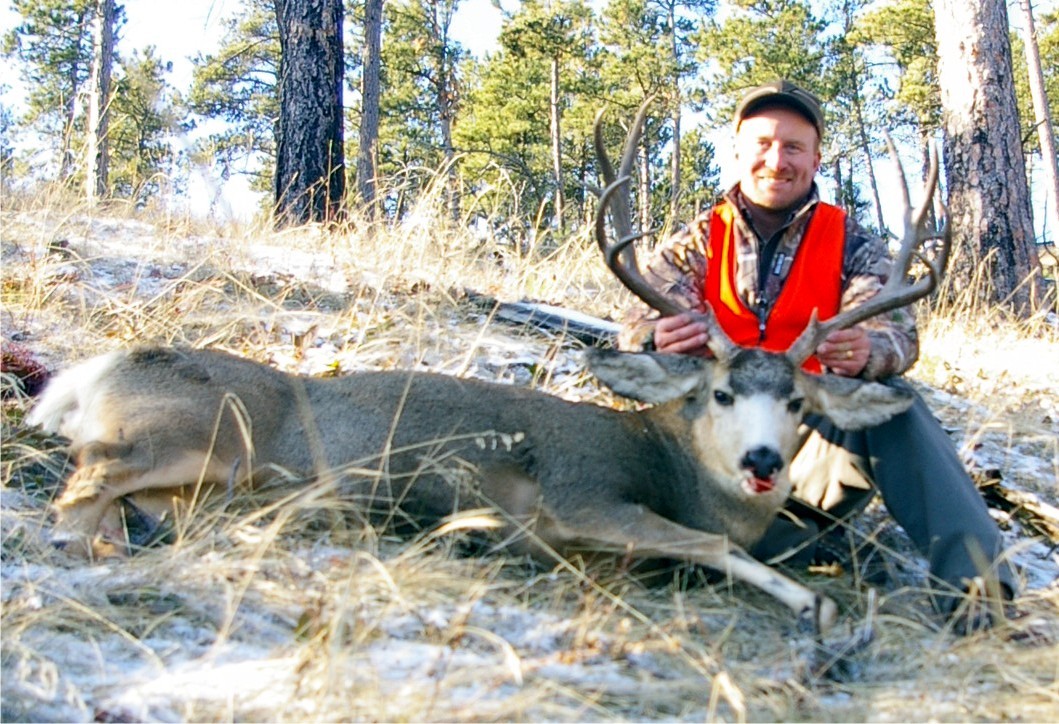
"I crossed the barbed-wire fence into the roadless area, knowing that where the road ends, the adventure begins." -Harley
"After a sketchy, muddy 4x4 drive, I came to the end of the road and strapped on my backpack. I crossed the barbed-wire fence into the roadless area, knowing that where the road ends, the adventure begins. Adventure, and big mule deer. I hiked a mile before sunrise, then slowed my pace as visibility improved and began to pick apart the country before me with binoculars as I crested each rise, careful not to skyline myself. This continued for about an hour, and as I moved down the ridge, I caught movement in the timbered basin from the direction I had just come. I dropped back and retraced my steps, and peeking over the ridge, I saw a large buck tending two does. Looking at him closely, I saw a non-typical point sticking out from his 4x4 frame, and knew this was the type of buck I'd come all this way to find. I steadied my rifle prone with a bipod and executed a clean shot. Then the work began. I quartered the buck and fit the entirety of him into my pack, stumbling to get to my feet with the heavy load. The hike back to the truck took about an hour, and the pain in my shoulders lasted the rest of the day. But each ache in my shoulders reminded me of the challenge I had overcome to take such a buck in a wild and untamed landscape." -Harley M.
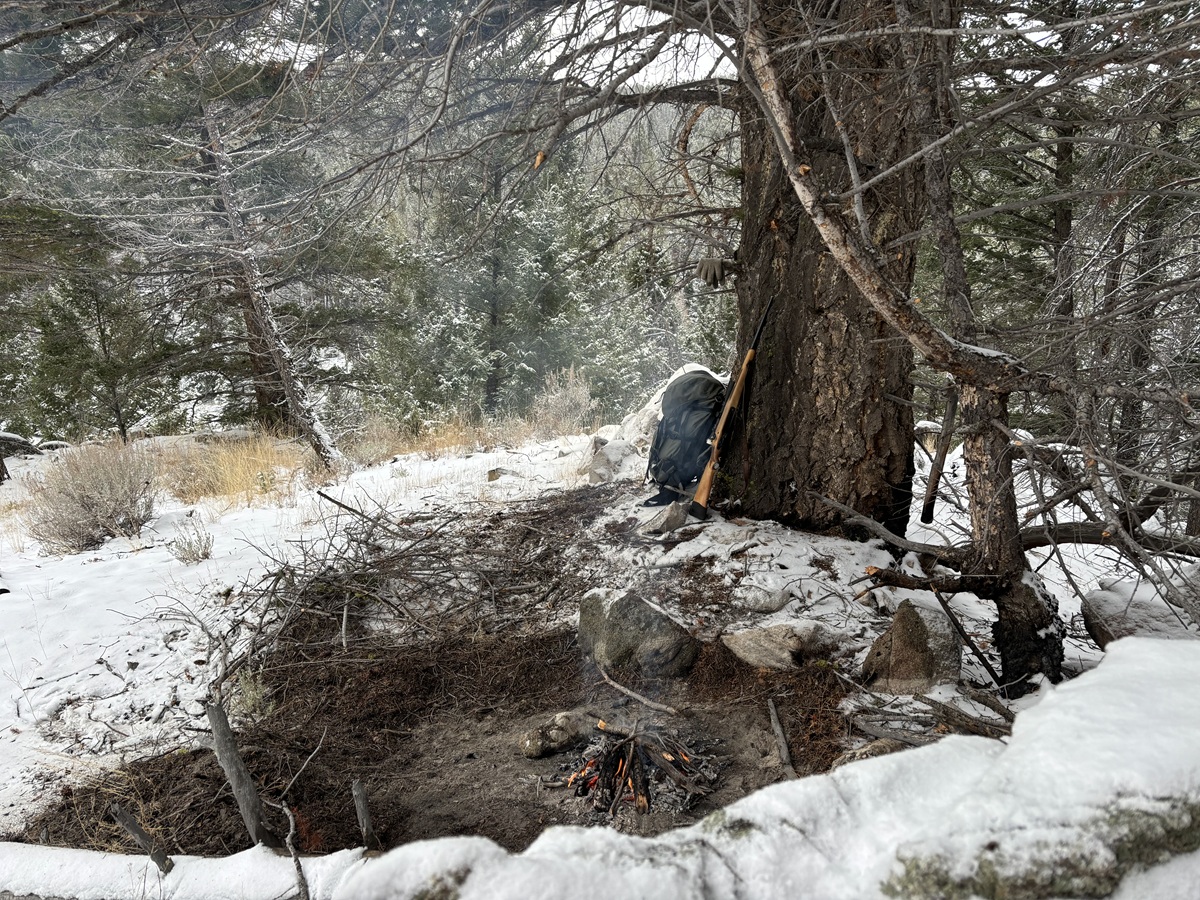
"Roadless areas are where I hunt. These wild places are my church." -Chris
"I am 70 years old. I love to hunt by myself and especially like to get away from the roads. I'd been out since before daylight in a foot of snow when I came across the tracks of several bull elk. They were wandering up toward the Continental Divide. I slowly followed them for the rest of the day. ... I realized there was an elk, and with only minutes of light left, it stepped into view, looked my way, and before it could bolt, I fired a quick shot. I waited about 10 minutes before going over to where the animal had been. By now I had my headlamp out, and I found significant spurts of blood in the snow. About 10 minutes later, I found the dead elk.
My sons had warned me that several people had had encounters with grizzlies after killing an elk in this area, and a lone bowhunter had been attacked and killed, so I was now hyper-alert. The elk was on a steep slope. The first thing I did was build a fire by the carcass. I got down to quartering the elk and began moving quarters away from the carcass. It was now pitch dark. After moving the meat about 100 yards from the carcass, I hiked upslope looking for a place I could spend the night. It was about 10 degrees. I found a relatively flat spot with a few trees for protection. I built a fire, returned to where I'd left the meat, and made about four trips to bring it up to the campsite. I piled snow over the meat, then, using my headlamp, went on a massive wood-gathering mission. Once I had a large pile of wood, I melted some snow in a metal cup I always carry and proceeded to spend the night by the fire, holding my rifle. I did not want to fall asleep.
After a long night of feeding the fire and drinking tea, the pale light of morning finally arrived. I had been able to text my son who lived several hours away. He met me the next morning on the Continental Divide Trail, and we sledded the meat three miles back to the trailhead. This kind of adventure would not be possible in an area with roads. I will never forget that night out listening to every little sound and hoping that a grizzly did not show up. A few days later, I returned to my campsite to find fresh grizzly tracks scuffing around where I had piled the meat.
In today's modern world, an adventure like this is something only those who leave the road will ever experience. Roadless areas are where I hunt. These wild places are my church. Once we put in roads, the chance for such an experience is gone forever." -Chris
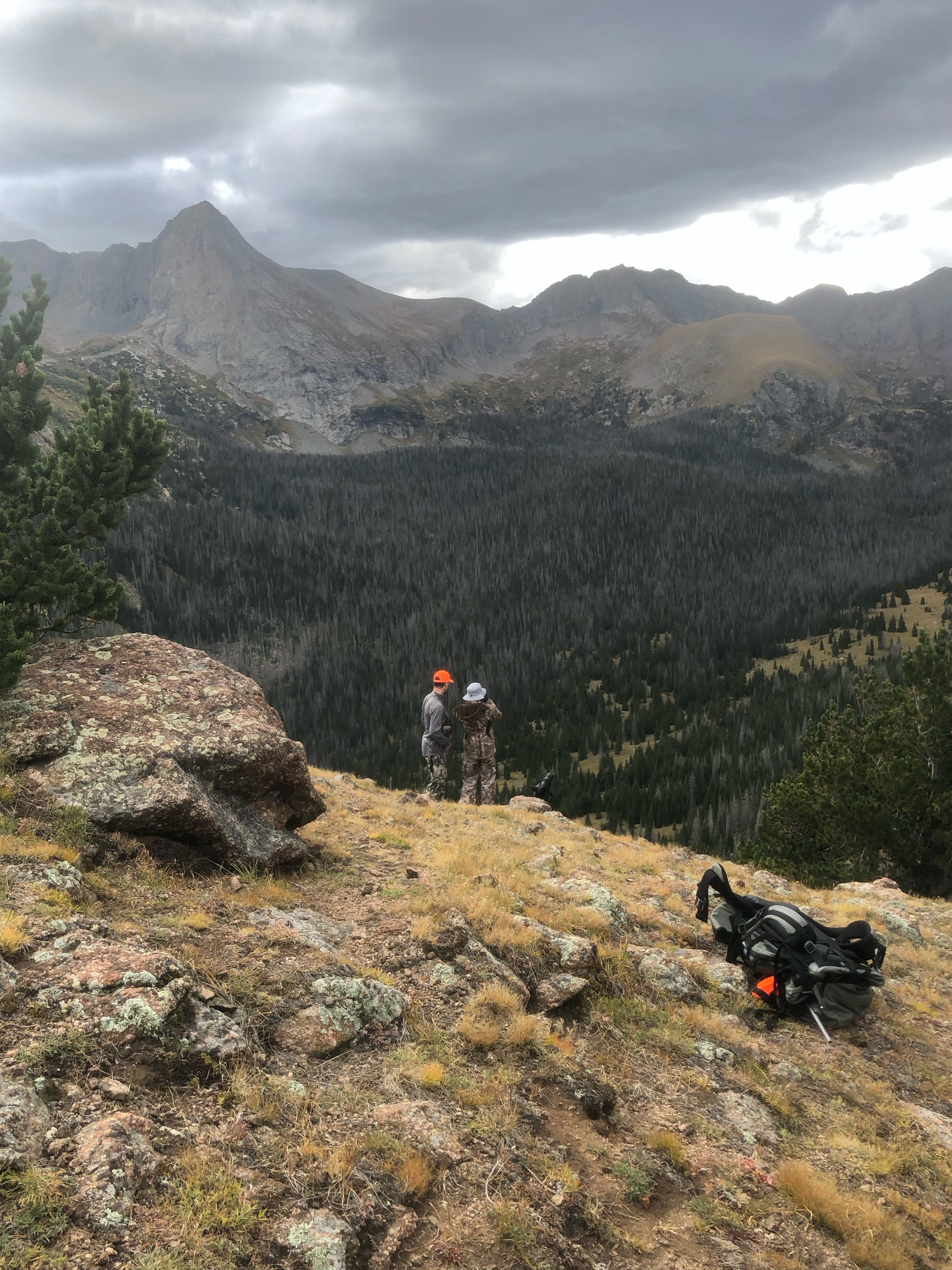
"If you want roads, go to a city. If you want accessibility, get in shape. If you want quiet, be ready to fight."-Lydia
One day you are playing around camp with your brother and cousins, the next you are proposed to on a mountainside, and then all of a sudden our wild lands are threatened with the destruction of roads. This was not three consecutive days but rather a lifetime of memories made on the same lands that are now threatened with roads. I played, hiked, hunted, laughed, loved, and cried in these quiet lands. There is no better place to get to know yourself and those around you than when there is no distant sound of traffic. If you want roads, go to a city. If you want accessibility, get in shape. If you want quiet, be ready to fight. There is plenty of land accessible by road, and no need to permanently destroy more habitat of elk, birds, and other plants and animals. In the past month, we have had lots of crimes that are reaching national news. These crimes all take place near roads and cities. What if we all took a little more time to sit in the quietness of the woods and whisper our thoughts to our friends, family, or maybe just ourselves? I have made so many memories on these lands that have shaped who I am and how I live my life. They would not be the same memories nor would they have been as meaningful if more cars and people were driving by, kicking up dust, blasting music, and throwing trash out the window. Please let us keep our wild lands wild, and if you want to join us, strap on your boots and meet us in the quiet." -Lydia
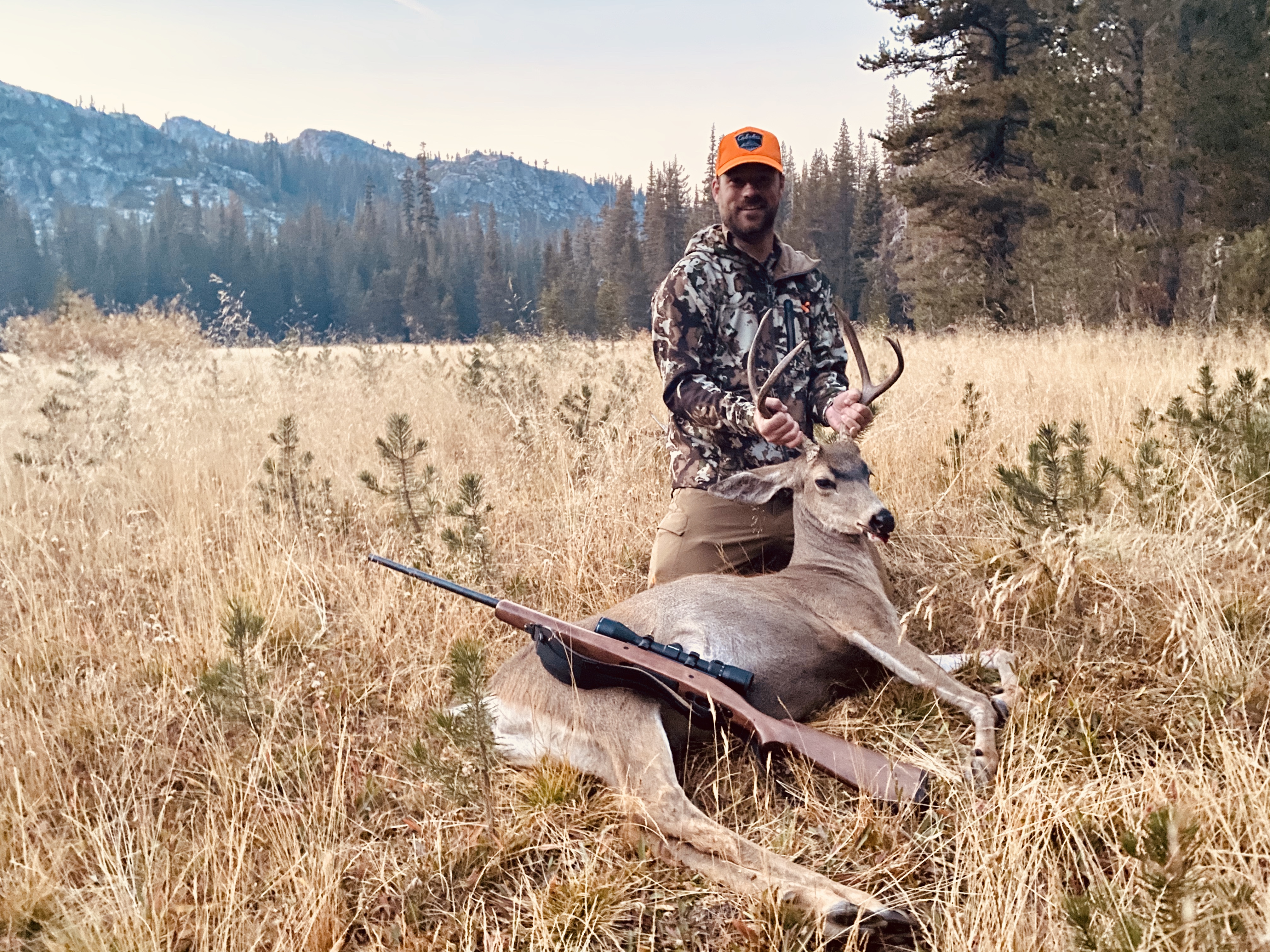
"These places are special precisely because they are untouched. I can't imagine them opened to roads, traffic, and development, when what makes them so beautiful is their very wildness." -Matt
"Whenever I see a story from BHA about an area that may be lost, I open the map or article to see what's at risk. I didn't expect this most recent map under the Roadless Rule to hit so close to home—impacting places that mean so much to my family and friends. The first spot is along the Feather River. My family and I bought property in Brush Creek a few years back, as the community was rebuilding from the Bear Fire of 2020. While exploring the area, we discovered a beautiful fishing hole. My three sons and I have spent countless days there fly fishing, swimming, and hiking—it's a place we've come to call our backyard. The second area holds a different kind of meaning. It's where I shot my first deer with my best friend and law enforcement partner, Evan. I had scouted and planned for that hunt for a year, and on opening day we hiked down into a valley. Just before sunset, the only buck I had ever seen stepped out—a moment that became one of my most cherished memories. Since then, I return each fall to that same spot for peace, reflection, and a chance to clear my mind. The final place is where I taught my oldest son how to trout fish. Like the others, it's more than just a pin on a map—it's a memory, a story, and part of our family's connection to the outdoors. I bought my property, load up my truck, and ready my fishing pole for one reason: to get away from the roads, to put down my phone, and to disconnect. These places are special precisely because they are untouched. I can't imagine them opened to roads, traffic, and development, when what makes them so beautiful is their very wildness." -Matt
916