A Successful Partnership and Project for Pronghorn
The drive out to Alzada puts things in perspective. Eastern Montana's high desert doesn't ease in it just opens up, wide and sparse, sage and sky in equal measure. It's a country that demands something of you, and it's a country that rewards you if you pay attention.
That's the kind of place where you find ranches like Box X. And it's exactly the kind of place where the work BHA believes in, the unglamorous, necessary, boots-in-the-dirt kind matters most.
We were hosted by Randy Arpan, alongside his son Brandon and Brandon's wife Sam. Five generations. That's not just tenure on a piece of ground; that's a relationship with it. That's watching it through drought years and wet years, through commodity swings and policy shifts, through every iteration of what it means to make a living off the land. The Arpans have seen what works and what doesn't. And right now, what they're doing out here is something worth watching. Brandon told us about the sheep days, afterall this was truly sheep country, and how one of his grandparents hated sheep, so they transitioned to cattle when the subsidies dried up after World War II. We shared a beer and the bar where Brandon told us about learning of virtual fencing while studying abroad in New Zealand, and we learned about the history of the ranch and plan for the future.
Box X is in the middle of a major transition, moving the operation to an E-Fence system, a virtual fencing technology that uses GPS-equipped collars to manage livestock movement without the need for physical wire. For a working ranch, the benefits are real and practical: more precise grazing rotation, less time stringing and repairing wire, and the ability to respond to conditions on the fly. But the conservation dividend is where it gets interesting for hunters and wildlife watchers.
To make that transition work, the old fencing infrastructure has to come out. That meant 10 miles of sheep fence. The dense, woven-wire kind that stops everything and everyone has to be removed to open the range back up. Boundary fences that had divided the landscape for decades came down, replaced with wildlife-friendly alternatives along the perimeters. What was once a patchwork of hard barriers is giving way to something more open, more permeable, more honest about what this country actually is.
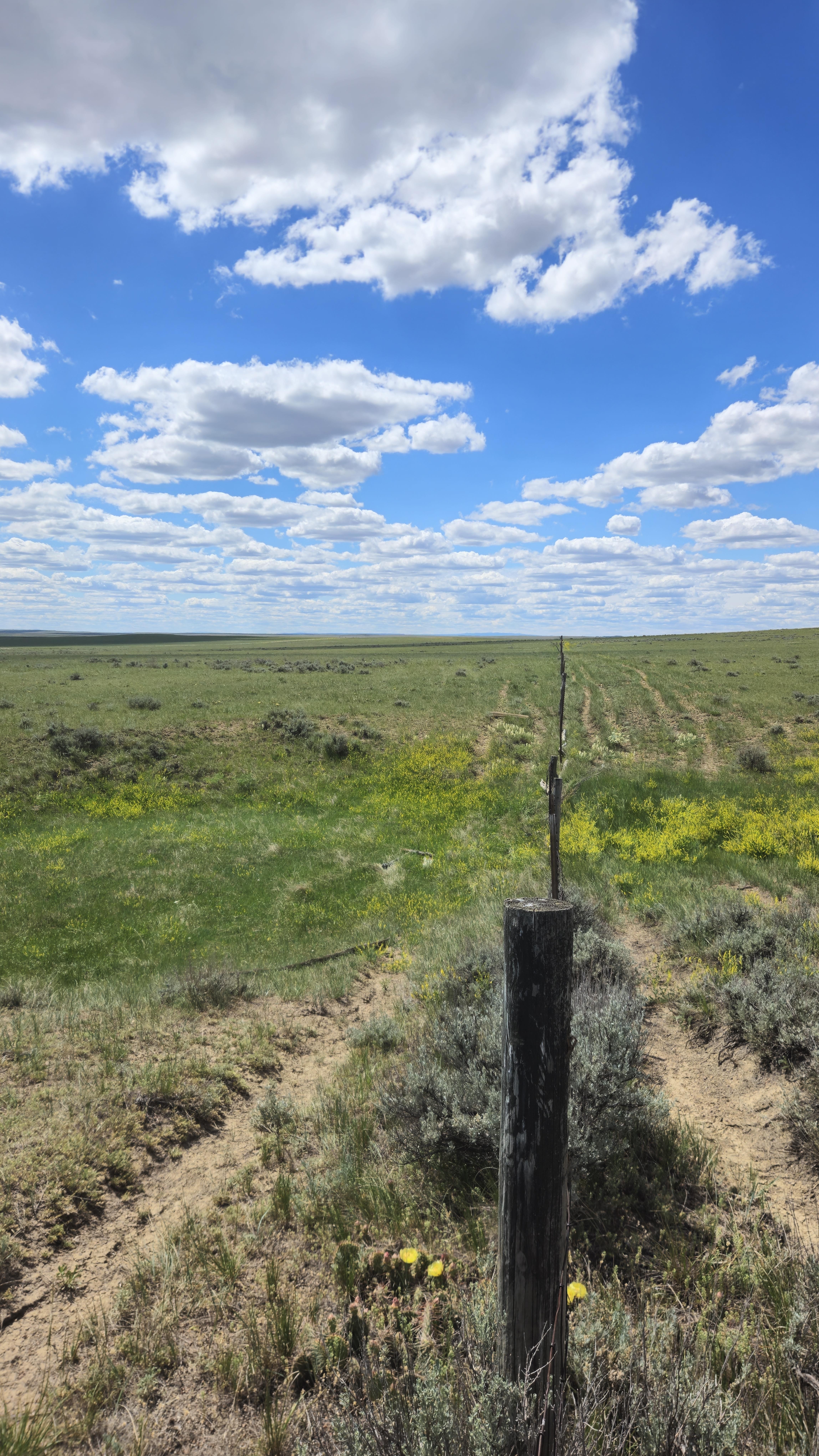
For wildlife, that's not a small thing.
This project didn't happen by accident. It came together through a coordinated effort led in large part by Brock Wahl with the North American Pronghorn Foundation, working alongside Montana Fish, Wildlife & Parks and a host of other conservation partners. That kind of collaboration combined with a ranching family, a species-focused foundation, state wildlife managers, and sportsmen's groups all pulling in the same direction is exactly how landscape-scale habitat work gets done. BHA was proud to be part of that coalition and to put some muscle behind it.
Sheep fence is notoriously unforgiving. Pronghorn, in particular, are built to run, not jump; they squeeze under fences, but woven wire stops them cold. A landscape crisscrossed with the stuff effectively shrinks the world they can move through. Tear it out, and you give it back. The hope at Box X is that removing these barriers, combined with the holistic grazing management the E-Fence system makes possible, will start shifting the wildlife picture on the ranch.
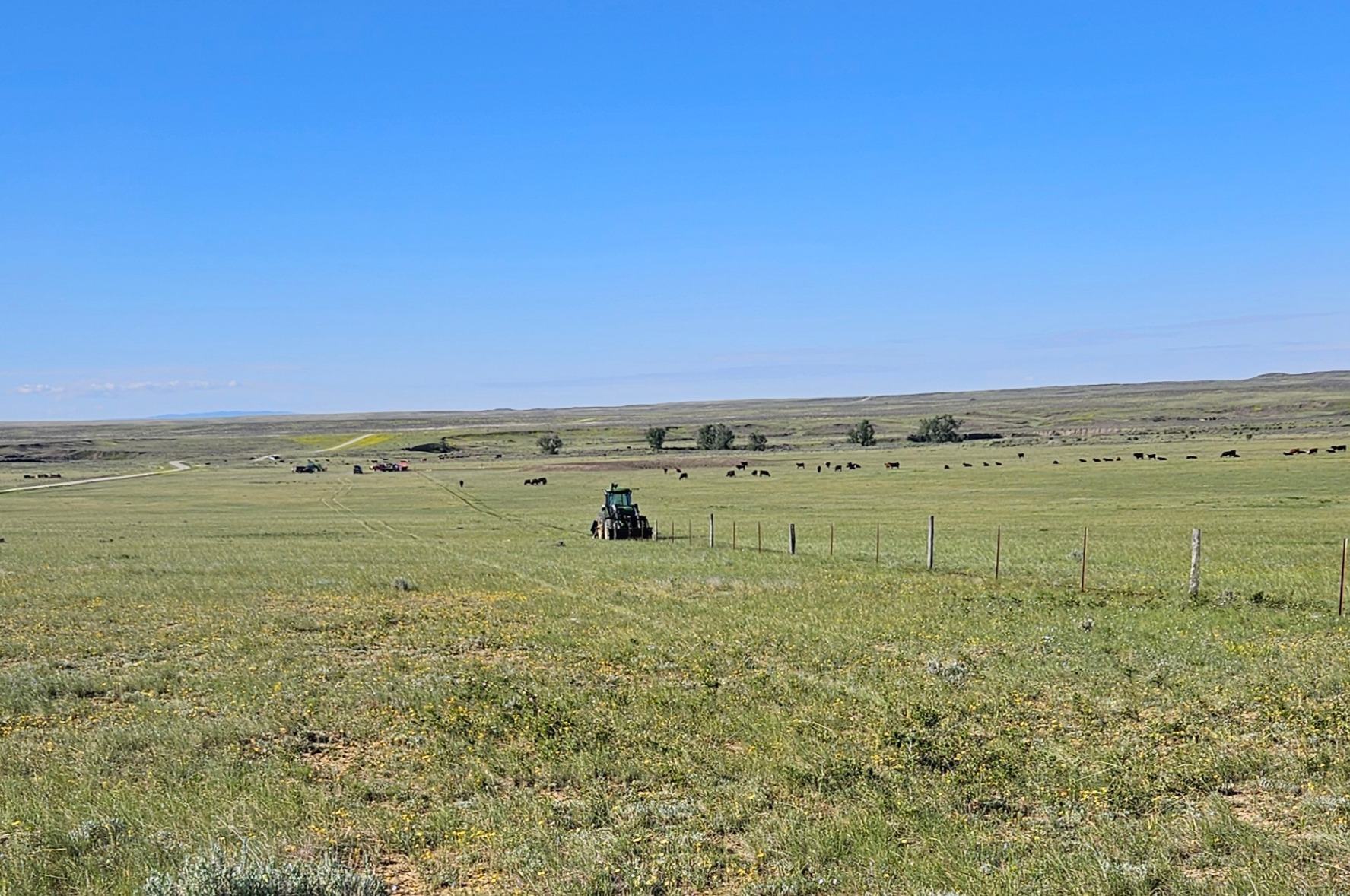
Right now, the antelope numbers reflect the problem. We spotted plenty of deer working through the sage, and the country felt alive in ways that surprised us. Freshly hatched burrowing owls near their burrows, grouse picking their way through the brush, and even a small group of ducks that seemed genuinely lost among the desert sage, far from anything resembling water. It was the kind of afternoon that reminds you that wildlife finds its own logic in a landscape. But antelope? Two lonely does. That was it.
That's not what this country should look like. Eastern Montana's high desert is pronghorn habitat. It's built for them. The absence of more animals is a signal, and the Arpans understand that. The work happening at Box X, the wire coming out, the grazing patterns being rethought, the land being managed with a longer view is aimed squarely at changing that picture.
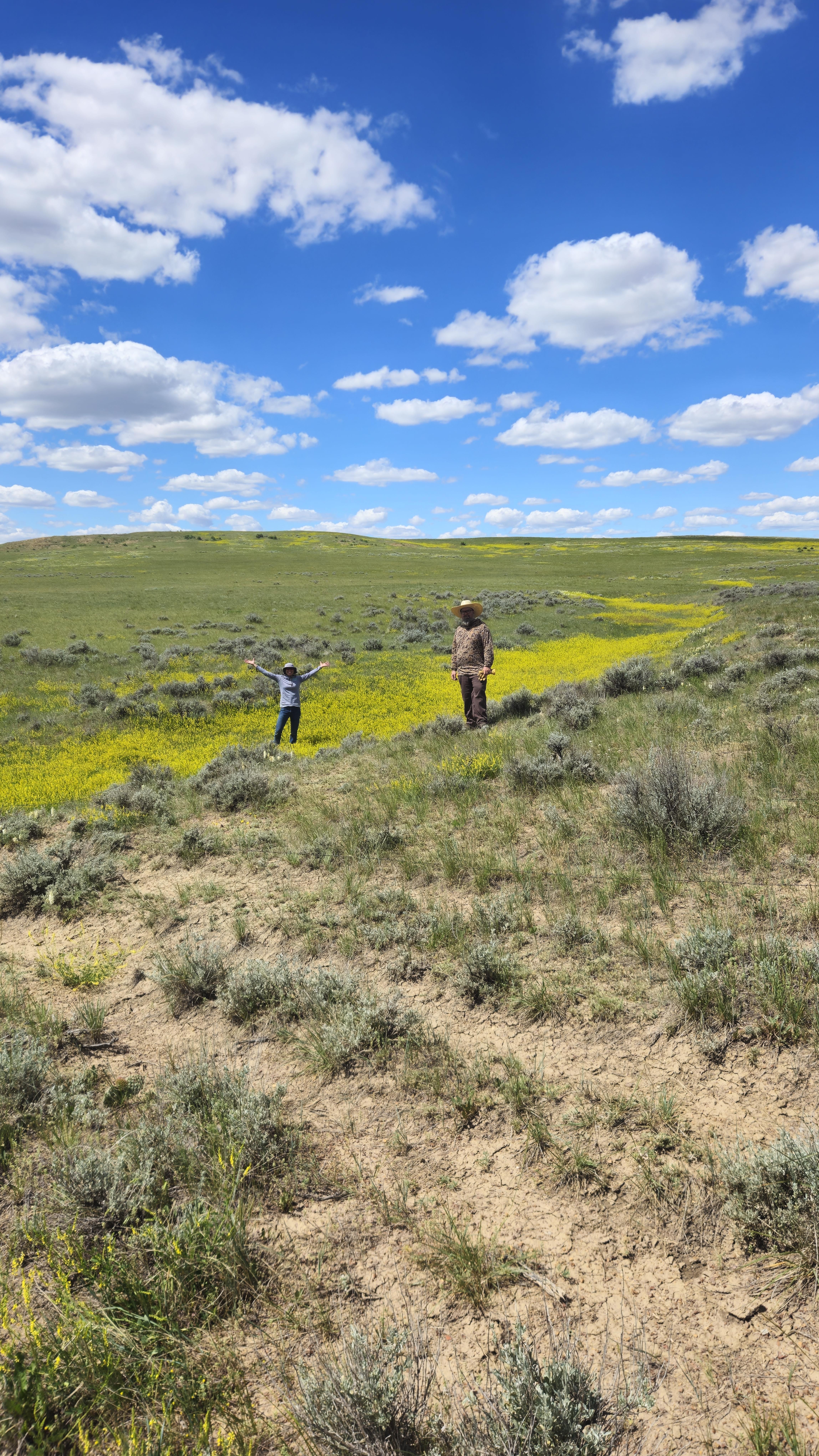
What struck us most about the day wasn't the work itself, though pulling 10 miles worth of fence line is no small project. It was the conversation around it. Randy and Brandon aren't approaching this as a regulatory obligation or a conservation concession. They're doing it because they want a healthier ranch, and they understand that a healthier ranch looks like more wildlife, more functional habitat, and more open ground. That alignment between what's good for the operation and what's good for the landscape is exactly the kind of partnership BHA wants to be a part of.
That's what holistic management actually means in practice. Not a buzzword, but a ranching family asking better questions about the land they've stewarded for five generations and making changes that are hard in the short run because they believe in the long game.
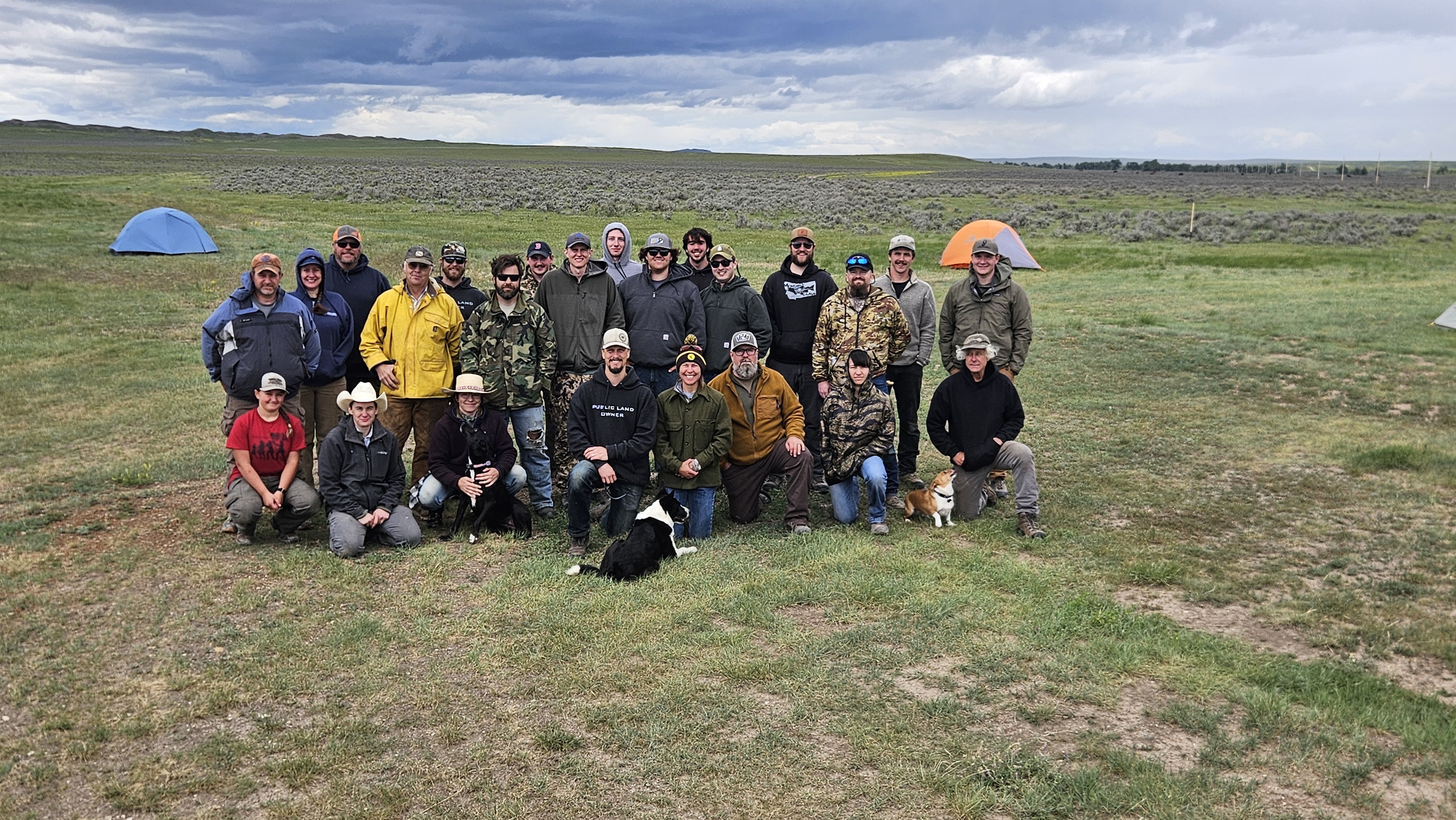
We're grateful to the Arpans for having us out and for working alongside us through the day. We're grateful to Brock Wahl and the North American Pronghorn Foundation for bringing the right partners to the table and making a project of this scale possible. And we're grateful to FWP and the broader coalition of organizations who showed up for this piece of ground.
The burrowing owls were a bonus. The pronghorn we hope to see next time,that's the goal.
558