BHA’s Virtual fence project in Northern Colorado
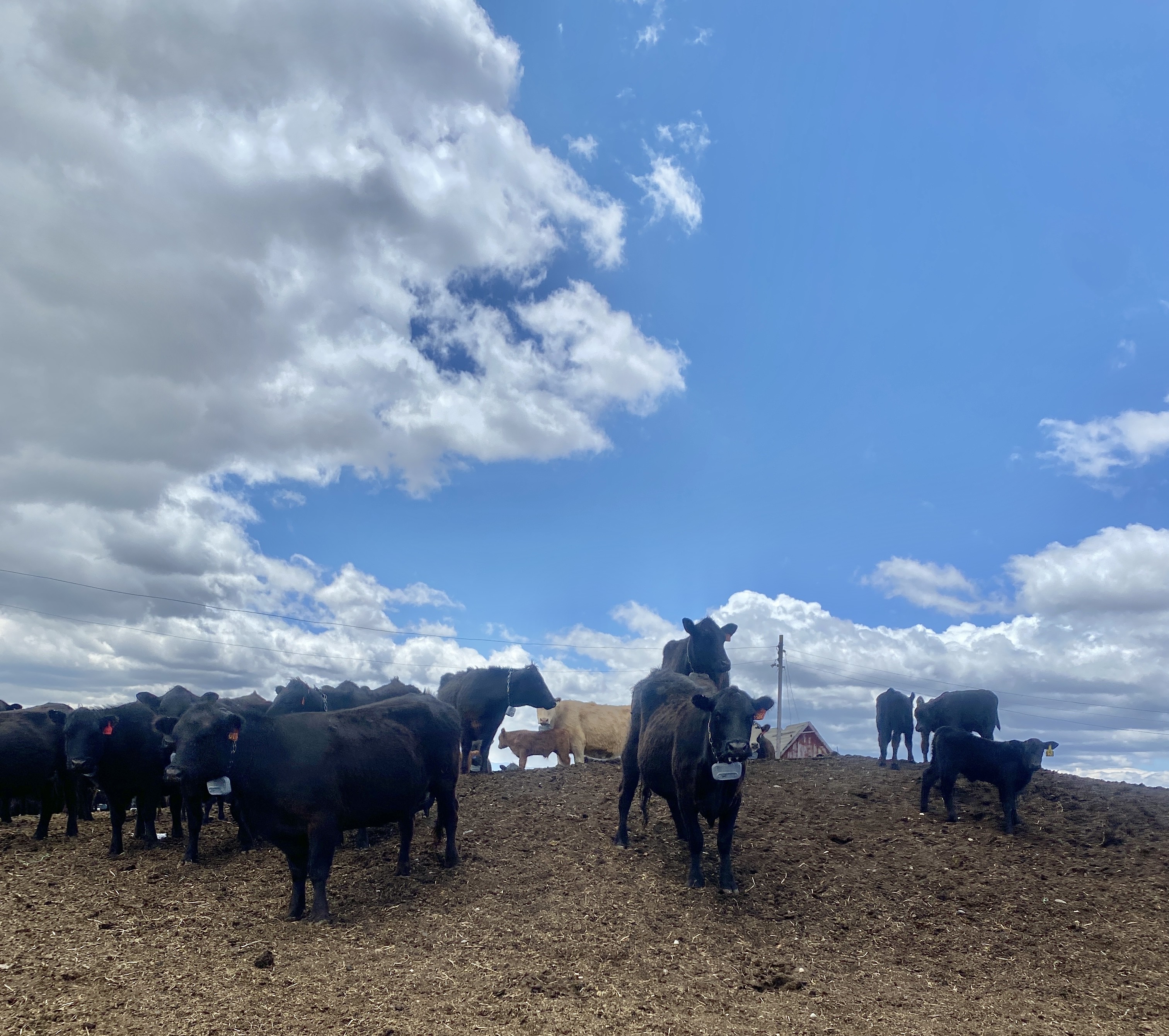
That cow is wearing a collar and it’s not just a fashion statement, it’s a conservation tool!
What is Virtual fencing?
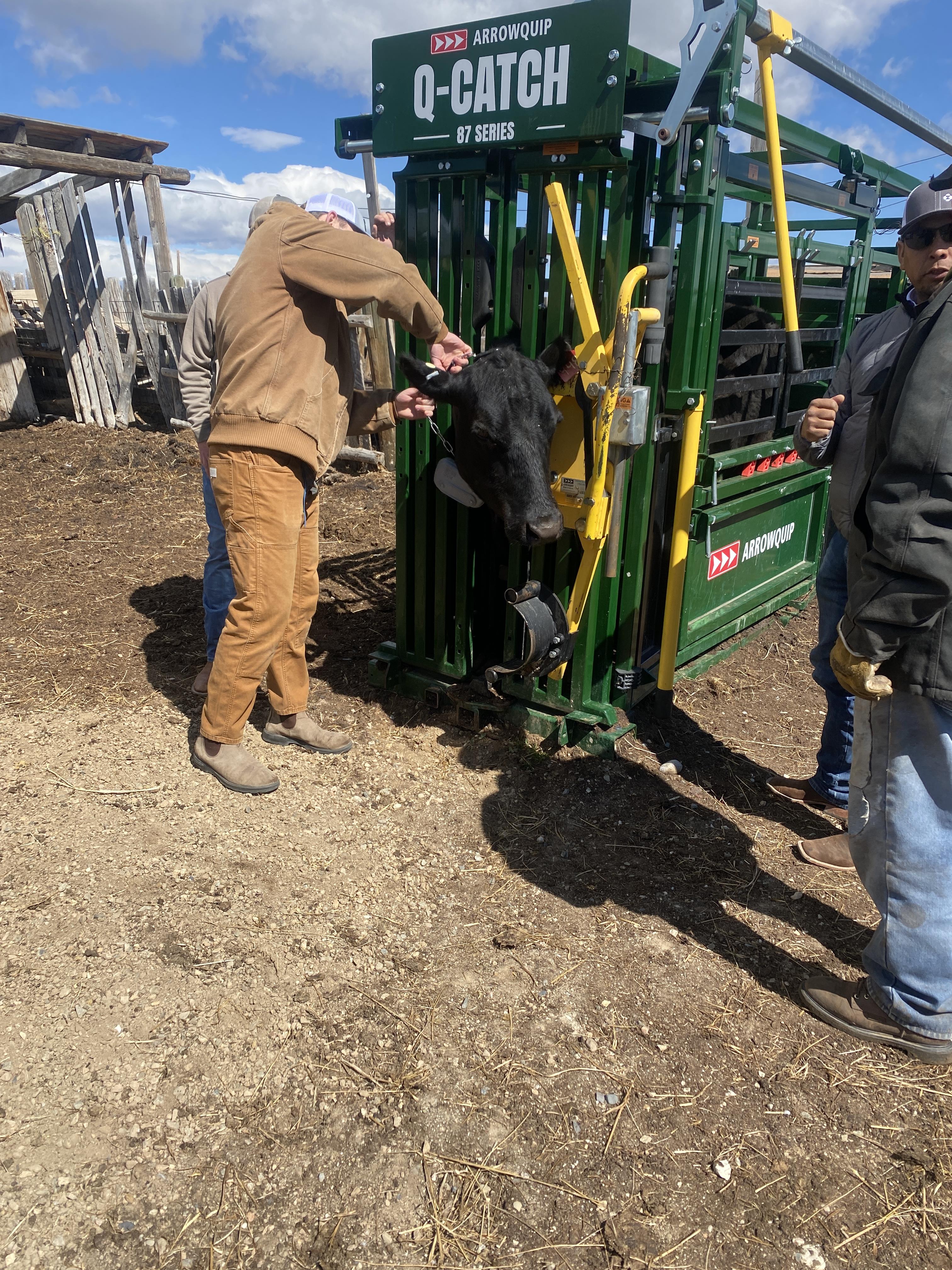
Virtual fencing is a technological tool that allows livestock producers to manage livestock without the use of traditional physical fences. By putting a GPS collar on each cow, the producer can remotely access their location and control where they can and cannot graze from the ease of their phone or computer. This can significantly reduce the time and effort that it takes for a rancher to move their cattle, fix fence and check on their herd.
Taking around 3-4 days, a ‘training’ pasture is developed where the cows can learn to understand the sound cues emitted by the collars and soft electrical pulses if they get close to the set boundaries. Imagine an invisible fence for your dogs but on a much larger scale!
BHA’s North Park Project
In 2025, BHA along with Arapaho National Wildlife Refuge (ANWR) and Bureau of Land Management (BLM) implemented the pilot year utilizing Vence virtual fence technology in the North Park conservation district. We were able to install four permanent Vence towers and one moveable tower. Each tower is able to cover 5-10,000 acres of land depending on terrain, so these five towers will offer service for the entire ‘park’. Our project worked with one producer and outfitted 100 cattle with collars to graze on BLM and ANWR allotments from June-December of 2025. The producer was very impressed and surprised by how well this technology worked for his operation and is planning on using it this coming grazing season.

So why is BHA involved?
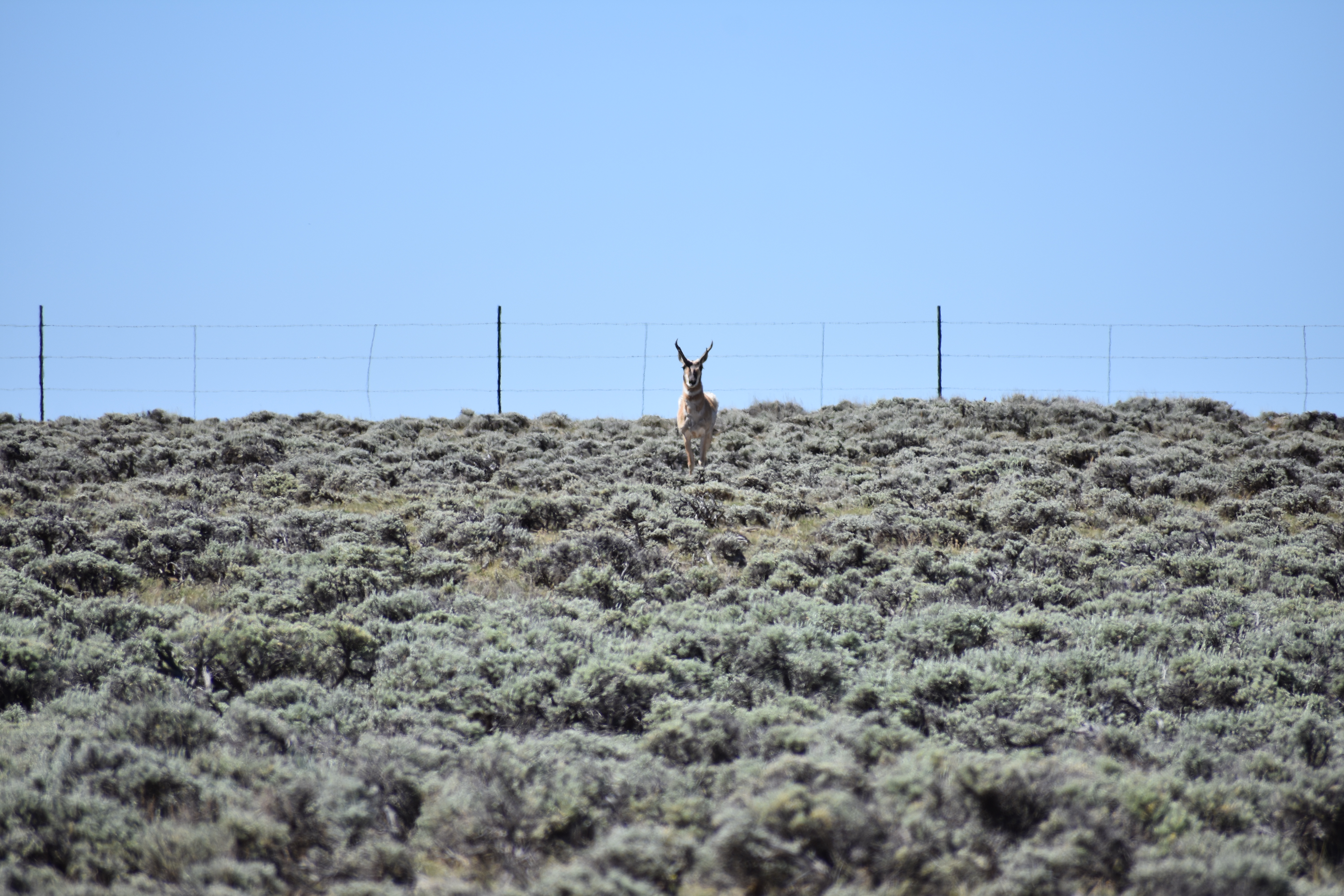
There are many benefits to utilizing virtual fencing not only for the ranchers but for wildlife. By allowing for easier rotational grazing, there is less erosion, increased forage for wildlife and cattle and the ability to fence cattle out of sensitive habitats. The project area is crital wintering range for elk, nesting area for waterfowl and home to pronghorm, moose, greater sage- grouse, black bears and many other wildlife species. By using virtual fence, the physical fences can be taken down (by us!) which allows for reduced habitat disruption and a decrease in fenceline mortalities. Not only is this a huge win for wildlife, but it is also a more efficient and cost-effective option for livestock management. We hope this year will bring further use of virtual fencing technology with more producers in the area and therefore more fences that BHA can take down.
2481