Dalton Highway Land Transfer, Alaska Statehood Act Selections, and Public Access
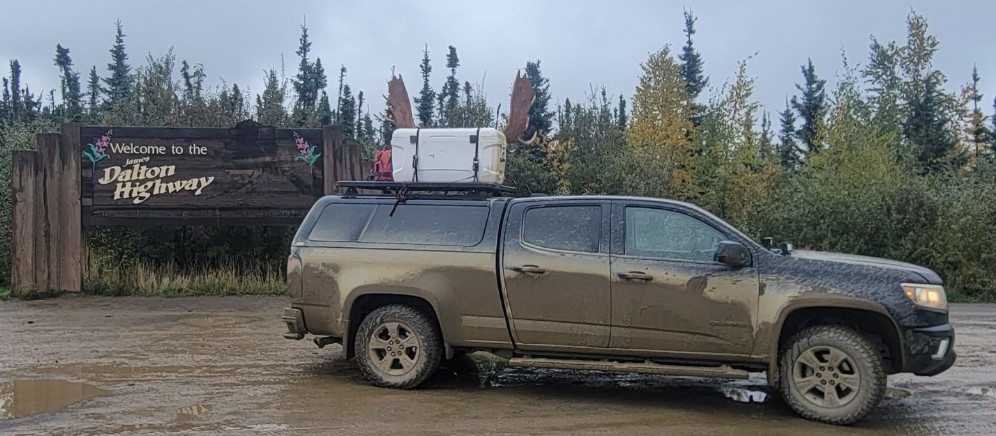
Issue: The transfer of 1.4 million acres along the Dalton Highway corridor from federal ownership to the State of Alaska will reshape how some of Alaska's most important hunting, fishing, and recreation lands are managed and accessed in the future.
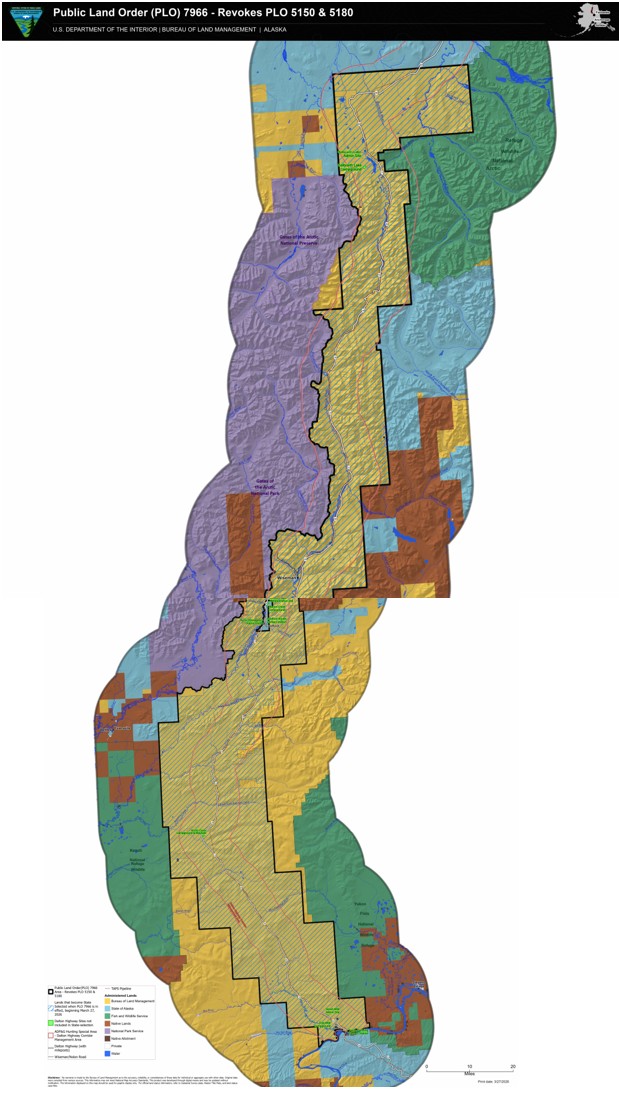
After Congress used the Congressional Review Act (CRA) to eliminate the Central Yukon Resource Management Plan. The Department of the Interior (DOI) revoked Public Land Orders 5150 and 5180, and DOI opened lands along the Dalton Highway corridor for conveyance to Alaska under the Alaska Statehood Act of 1959. This Act authorized the transfer of approximately 105 million acres of federal land to the State of Alaska to provide an economic foundation for the new state. Selections were drawn from "vacant, unappropriated, and unreserved" public lands, with the intent that these lands would support Alaska's long-term economic development and self-sufficiency. While the State is legally entitled to receive its remaining land entitlement of 5 million acres (pre-transfer), this transfer represents one of the largest and most consequential state selections in decades.
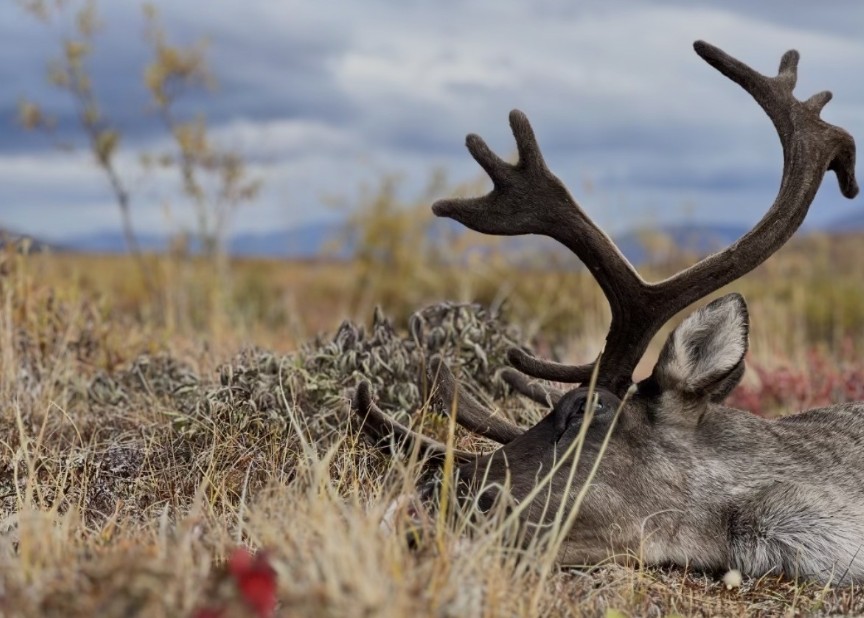
The transferred lands border some of Alaska's most iconic public hunting, fishing, and recreation areas and have long functioned as accessible federal public lands for hunters, anglers, subsistence users, and other outdoor recreationists. The Statehood Act selections were intended to support economic development, so the transfer raises important questions about how these lands may be managed in the future and what role resource extraction, infrastructure development, land disposals, and other shorter-term revenue-generating activities could play in management decisions.
For more than fifty years, the Dalton Utility Corridor represented a unique federal land designation established to preserve a transportation and utility corridor and prevent these lands from being selected by the State of Alaska or Alaska Native corporations. The unprecedented decision to revoke those protections and transfer the lands to the State has sparked significant legal questions over whether Congress intended the corridor protections established under the Alaska Native Claims Settlement Act (ANCSA) to be temporary administrative withdrawals or a more durable congressional directive that could only be changed through legislation. That question is now before the courts.
For many public land users, the primary concern is not the transfer itself, but what comes next. State ownership brings new management authorities and priorities that could influence future land disposals, industrial leases, infrastructure development, access policies, and recreational opportunities, and the designation of motorized and non-motorized use areas. Changes in land ownership may create opportunities for new roads, rights-of-way, and motorized access routes in areas that have historically seen limited or no motorized use, potentially altering the character of the landscape and the user experience. While no broad restrictions have been proposed, the transfer raises legitimate questions about how public access will be maintained, whether traditional hunting and fishing opportunities will remain unchanged, and how future management decisions will balance economic development, recreation, conservation, and fish and wildlife values. Ultimately, the debate centers on what this transition from federal to state ownership means for the long-term future of public access and outdoor traditions in the foothills of the Brooks Range and along the Dalton Highway corridor. This land transfer also clears a significant hurdle for the start of the Ambler Road project, transferring the first 20-mile stretch of the proposed corridor west of Coldfoot from Gates of the Arctic National Park to the State of Alaska. while federal permitting was already approved, the state owning the right of way
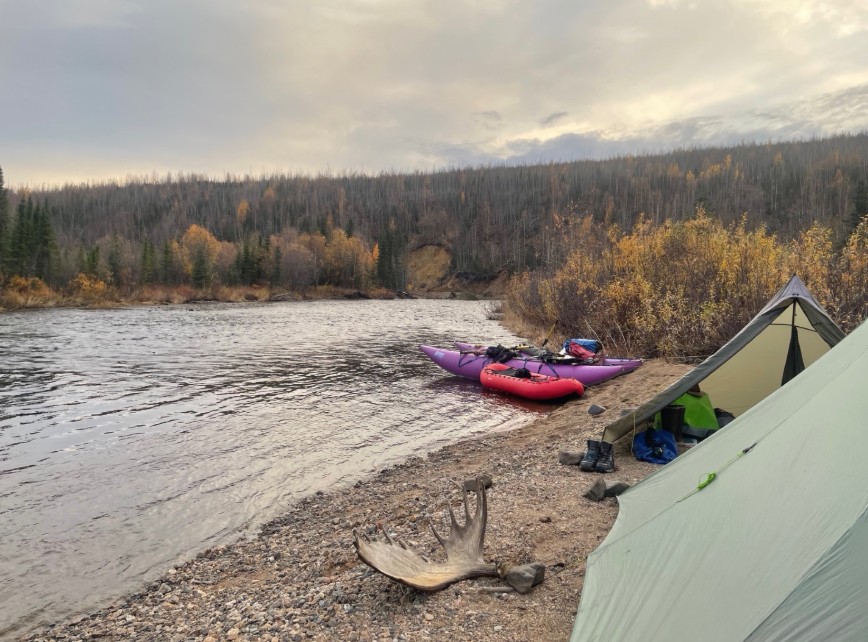
The Alaska Department of Natural Resources has begun soliciting public comment on how access will be managed on the transferred lands. You can use the link below to submit comments.
Learn more and submit comments:
Dalton Highway Corridor Public Notices & Comment Portal
Tell the Alaska Department of Natural Resources that public lands are essential to the Alaskan way of life, and maintained access and opportunity are important.
858