BHA Opposes Proposed Ambler Road Hunting and Trapping Closures:
Speak Up Before November 16
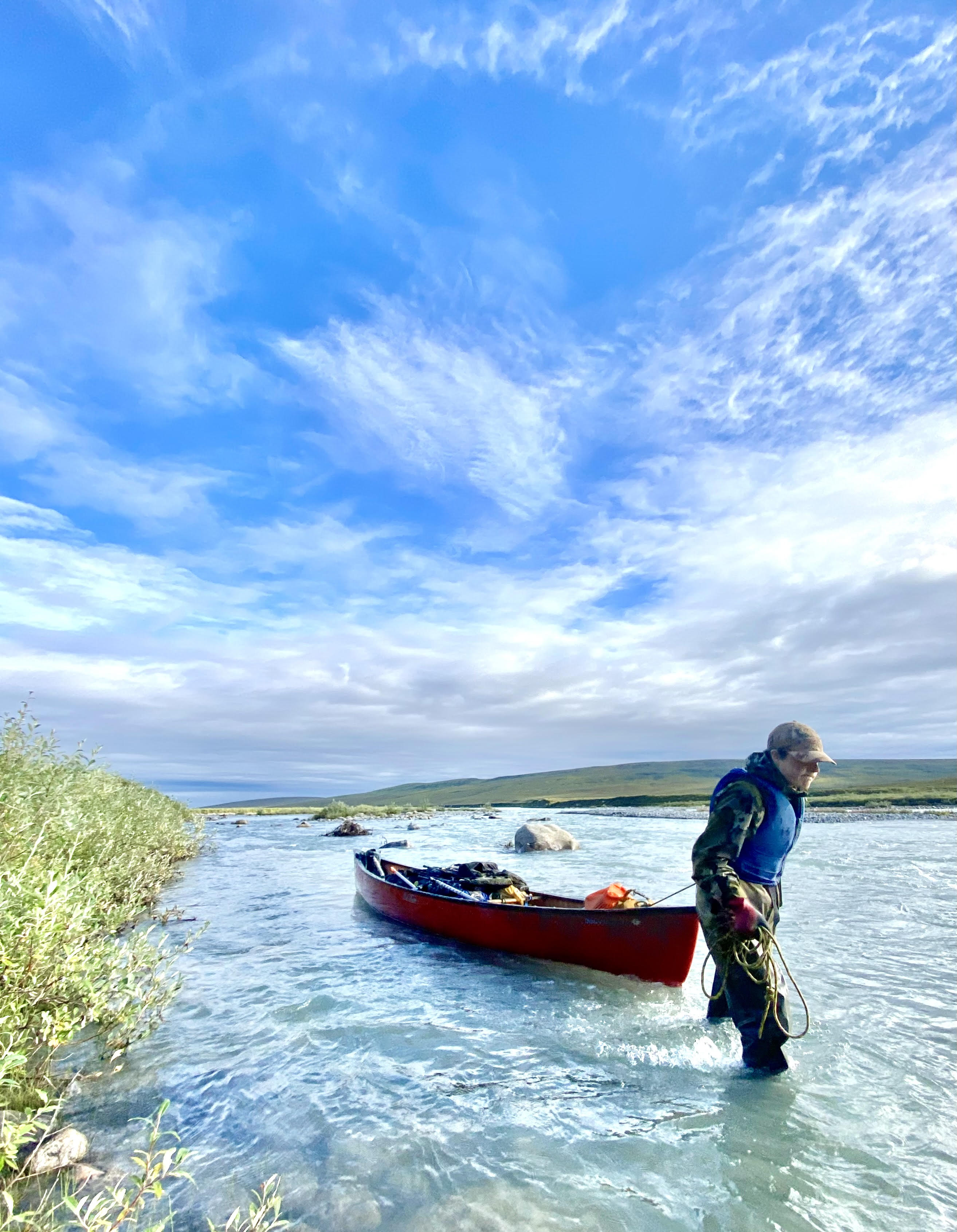
A proposed industrial road that has yet to be built could result in the closure of approximately 420 square miles of public land to hunting and trapping. Alaska's Board of Game is scheduled to consider the proposal November 20, and BHA is urging Alaskans to weigh in.
The Alaska Department of Fish and Game (ADF&G) has submitted a proposal to the Alaska Board of Game that would close a two-mile-wide corridor along the proposed Ambler Road to hunting and trapping in Game Management Units 23 and 24. The proposed 211-mile industrial road would extend west from the Dalton Highway to the Ambler Mining District, crossing some of Alaska's most remote country.
The Board of Game will consider the proposal during a special web-conference meeting on November 20, 2026. Written public comments are due November 16 at 8:00 a.m. Alaska time.
The Alaska Chapter of Backcountry Hunters & Anglers (AK BHA) OPPOSES the proposed closures. While we recognize the importance of responsible infrastructure planning and the need to address legitimate safety and wildlife management concerns, restricting established public hunting and trapping opportunities years before a road is constructed is neither necessary nor consistent with the Board's responsibility to manage wildlife and provide sustained public opportunity.
What is being proposed?
The revised proposal would amend two sections of Alaska's hunting and trapping regulations:
- 5 AAC 92.510 – Areas Closed to Hunting: Close the area within one mile of each side of the Ambler Road right-of-way to hunting.
- 5 AAC 92.550 – Areas Closed to Trapping: Establish the same one-mile buffer on either side of the road, closing the area to trapping.
The closures would extend approximately 211 miles through Units 23 and 24, encompassing an estimated 420 square miles. The amended language establishes a closure period of July 1, 2029, through January 1, 2036, unless extended by the Board.
Hunters and trappers would still be allowed to cross the corridor to access areas where hunting and trapping remain open, but all hunting and trapping activities within the designated closure area would be prohibited. Most importantly, the road has not been constructed.
The proposal was submitted by ADF&G, which explicitly states in its supporting materials:
"The Ambler Road has not been constructed and submission of this proposal will assist in the planning process for future construction and use of the road."
This raises an important question: Should the Board of Game restrict approximately 420 square miles of public hunting and trapping opportunity to assist in planning for an industrial road that does not yet exist?
Alaska BHA believes the answer is no.
Planning for a road that doesn't exist
The Board of Game's responsibility is to conserve Alaska's wildlife resources while providing sustained hunting and trapping opportunity. Its decisions should be grounded in sound wildlife management, biological information, and demonstrated management needs—not hypothetical conditions associated with future development.
ADF&G's own proposal acknowledges that the Department has no biological concerns for any species as a result of the proposed road and identifies potential mitigation measures for wildlife movement, including adjusting traffic activity around identified wildlife movement corridors. The Department also acknowledges that there are known active traplines and hunting areas within the proposed closure area. Despite this, the proposal would eliminate hunting and trapping opportunities throughout the entire corridor before construction begins, or actual operational impacts can be evaluated.
The revised proposal also establishes specific calendar dates for the closures, beginning July 1, 2029, regardless of whether the road has been constructed or is operational. The closures would remain in place through January 1, 2036, unless extended by the Board.
A defined end date does not resolve the underlying problem. The proposal does not tie implementation to actual construction milestones or demonstrated safety and wildlife management needs. Furthermore, the provision allowing the Board to extend the restrictions raises additional questions about how long these closures could ultimately remain in place.
There is no compelling reason to establish these restrictions years before the project is constructed or in the absence of demonstrated need. Doing so would also set a troubling precedent of using the Board's time and public resources to evaluate hypothetical impacts of projects that may never materialize, rather than addressing actual wildlife management and public access concerns as they arise. If the road is ultimately constructed, and legitimate safety or wildlife management concerns emerge, the Board can consider targeted restrictions based on actual conditions and supporting information at that time.
Does this align with ADF&G's own guiding principles?
ADF&G's first guiding principle is to: "Provide for the greatest long-term opportunities for people to use and enjoy Alaska's fish, wildlife, and habitat resources."
We believe this proposal warrants serious consideration against that stated responsibility.
Does preemptively closing approximately 420 square miles of public land to hunting and trapping meaningfully advance the Department's commitment to providing the greatest long-term opportunities for Alaskans to use and enjoy these resources?
The proposed corridor encompasses lands that support subsistence, recreational, and traditional hunting and trapping activities. While harvest levels within portions of the corridor may be relatively low, the Department acknowledges that active traplines and hunting areas exist there. Low reported harvest does not mean an area lacks value, nor does it diminish the importance of maintaining access and opportunity for those who use it.
Alaska's public lands are not simply corridors for future infrastructure. They are places where Alaskans hunt, trap, fish, forage, and maintain connections to the outdoors and the resources that sustain their communities.
Planning for potential future development should not come at the expense of established public opportunities without a demonstrated biological, wildlife management, or public safety need.
The public process is paramount
We also have concerns about the process surrounding this proposal.
The Board previously considered the Ambler Road closure proposal during its July 2026 special meeting, in Fairbanks during the height of summer and fishing season. Another special meeting has now been called to reconsider the issue with revised regulatory language and specific closure dates.
Special meetings serve an important purpose when circumstances warrant them. However, repeatedly convening special meetings to revisit significant regulatory proposals raises questions about consistency, transparency, and the appropriate use of the Board's administrative procedures.
These concerns are compounded by the format of the November 20 meeting. The meeting will be held exclusively by web conference, and the Board will not accept oral or written testimony during the meeting. Written comments must be submitted in advance.
We recognize that written comments are being accepted and are not asserting that oral testimony is legally required at every special meeting. However, eliminating the opportunity for oral testimony further limits meaningful public participation, particularly for rural Alaskans and those most directly affected by the proposed closures.
Not everyone has reliable internet access, access to technology, or the ability to effectively communicate their concerns through written submissions. Local knowledge and firsthand experiences from hunters, trappers, and rural residents deserve consideration in decisions that directly affect their ability to access and use public lands.
The Board should ensure its decision-making process is transparent, consistent, and accessible to the people it serves.
Alaska BHA opposes the proposed Ambler Road hunting and trapping closures
The Alaska Chapter of Backcountry Hunters & Anglers supports responsible development and recognizes that infrastructure projects can present legitimate wildlife management and public safety considerations. However, those considerations must be evaluated based on actual conditions, sound science, and demonstrated need.
We oppose establishing sweeping hunting and trapping restrictions in anticipation of an industrial road that has yet to be constructed.
The Board of Game should remain focused on its responsibility to manage wildlife resources and provide sustained public hunting and trapping opportunity. It should not be asked to preemptively restrict public use to accommodate the anticipated operational needs of future industrial development.
Alaska's public lands belong to all Alaskans. Protecting access to those lands and the opportunities they provide is an important part of maintaining our hunting and trapping heritage.
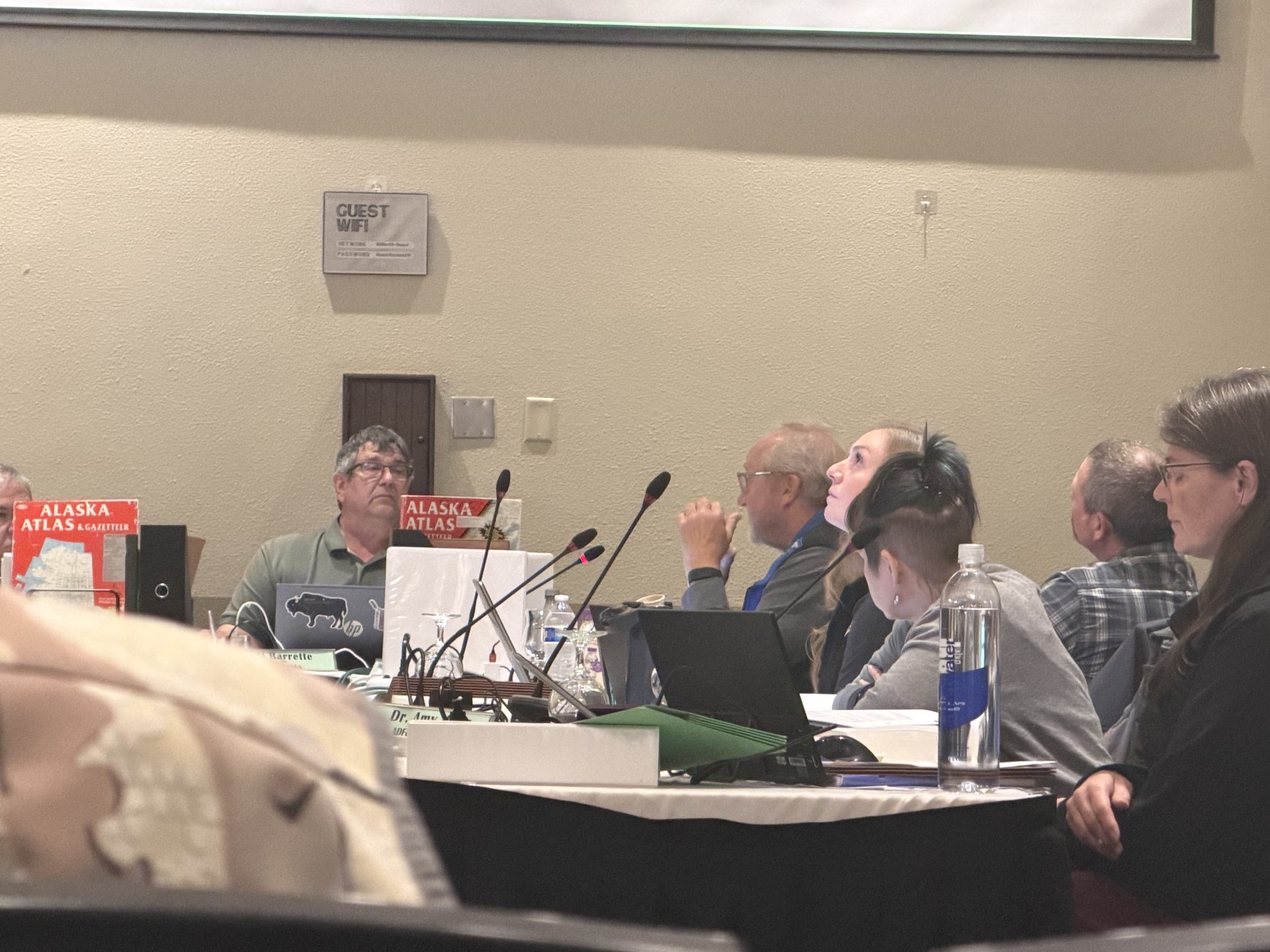
AK BHA respectfully urges the Board of Game to reject the proposed amendments to 5 AAC 92.510 and 5 AAC 92.550.
Speak up: Submit your comments by November 16
The Board of Game is accepting written public comments ahead of its November 20 special meeting.
- Comment deadline: November 16, 2026, at 8:00 a.m. Alaska time
- Board meeting: November 20, 2026, at 8:30 a.m.
- Meeting format: Web conference
- Issue: Proposed hunting and trapping closures along the Ambler Road in Units 23 and 24
Alaskans who hunt, trap, recreate, and value continued access to our state's public lands are encouraged to make their voices heard.
SUBMIT YOUR COMMENTS TO THE ALASKA BOARD OF GAME
For the proposed regulations, meeting notice, and additional information, visit the official Board of Game meeting page.
The Board will not accept testimony during the November 20 meeting, so be sure to submit your comments before the deadline.
Alaska's public lands. Our hunting and trapping heritage. Let's keep them accessible.
65