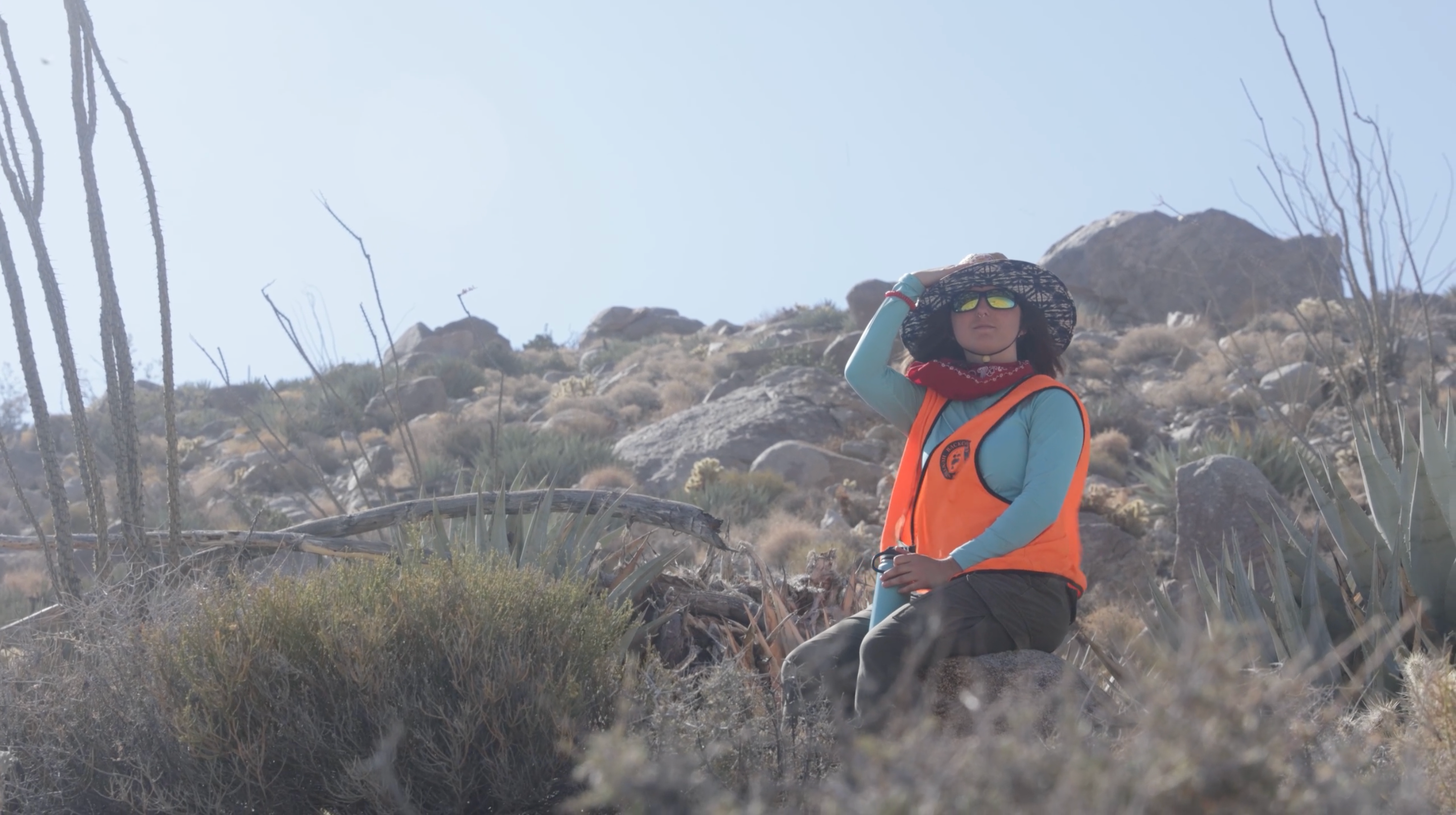
Marines and Conservationists Deliver Water Lifeline to Endangered Desert Bighorn Sheep
When the Whale Peak guzzler in the Anza-Borrego Desert ran dry ahead of summer, it put one of California's most vulnerable wildlife populations at risk. The Peninsular bighorn sheep, a federally endangered species numbering just 700 to 800 animals across a range stretching from the Mexican border to Palm Springs, depends on scattered water sources like this one to survive extreme desert heat.
On June 12 and 13, that risk was met with a show of cooperation between the military and the conservation community.
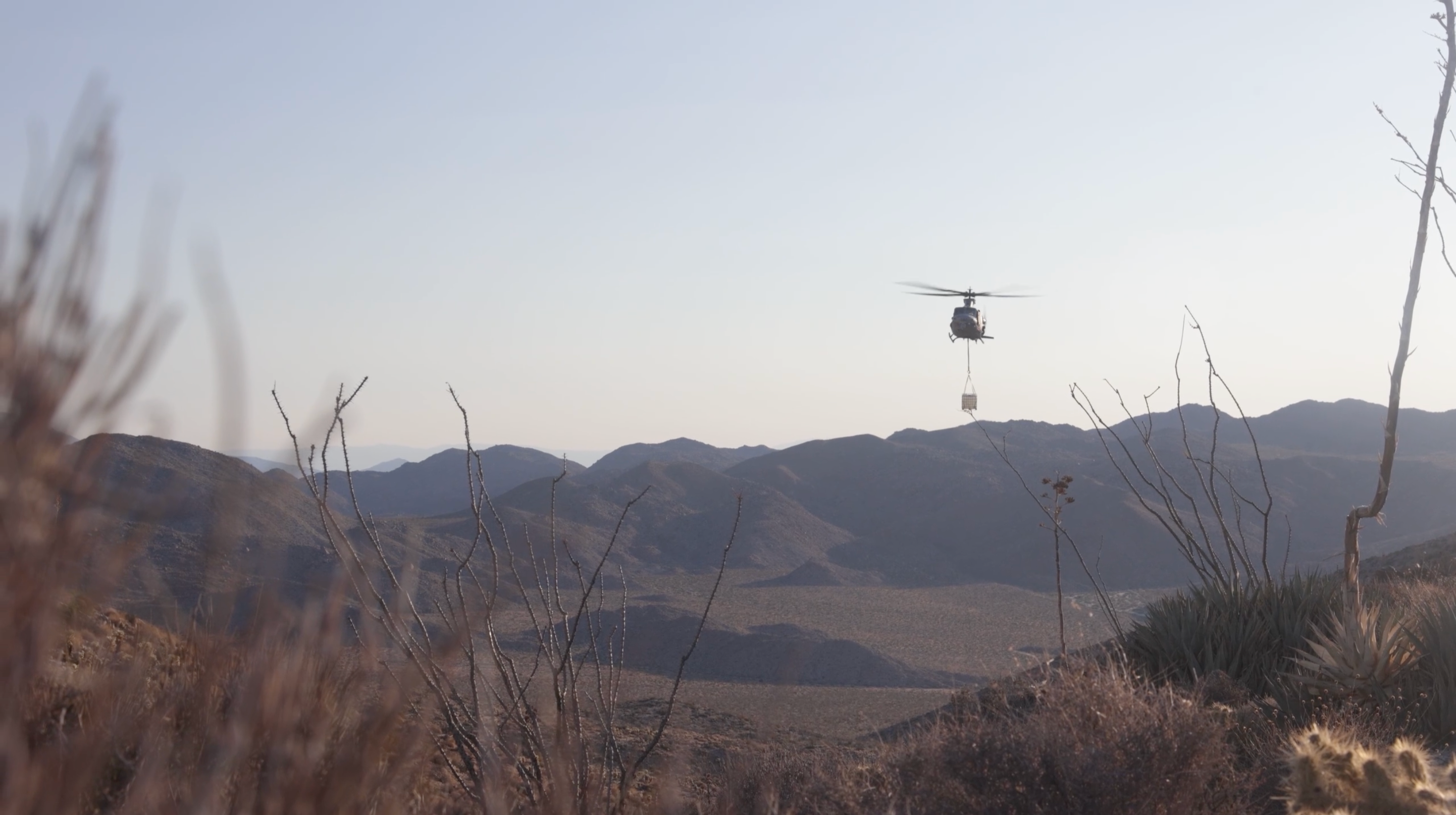
The Mission:
The California Chapter of the Wild Sheep Foundation (Cal Wild Sheep) led the effort, mobilizing an all-volunteer coalition that included:
· Backcountry Hunters & Anglers (BHA) and the California Chapter of BHA
· Desert Wildlife Unlimited
· U.S. Marine Corps, 3rd Marine Air Wing, HMLAT-303
· California Department of Fish and Wildlife
· California State Parks
· U.S. Fish and Wildlife Service
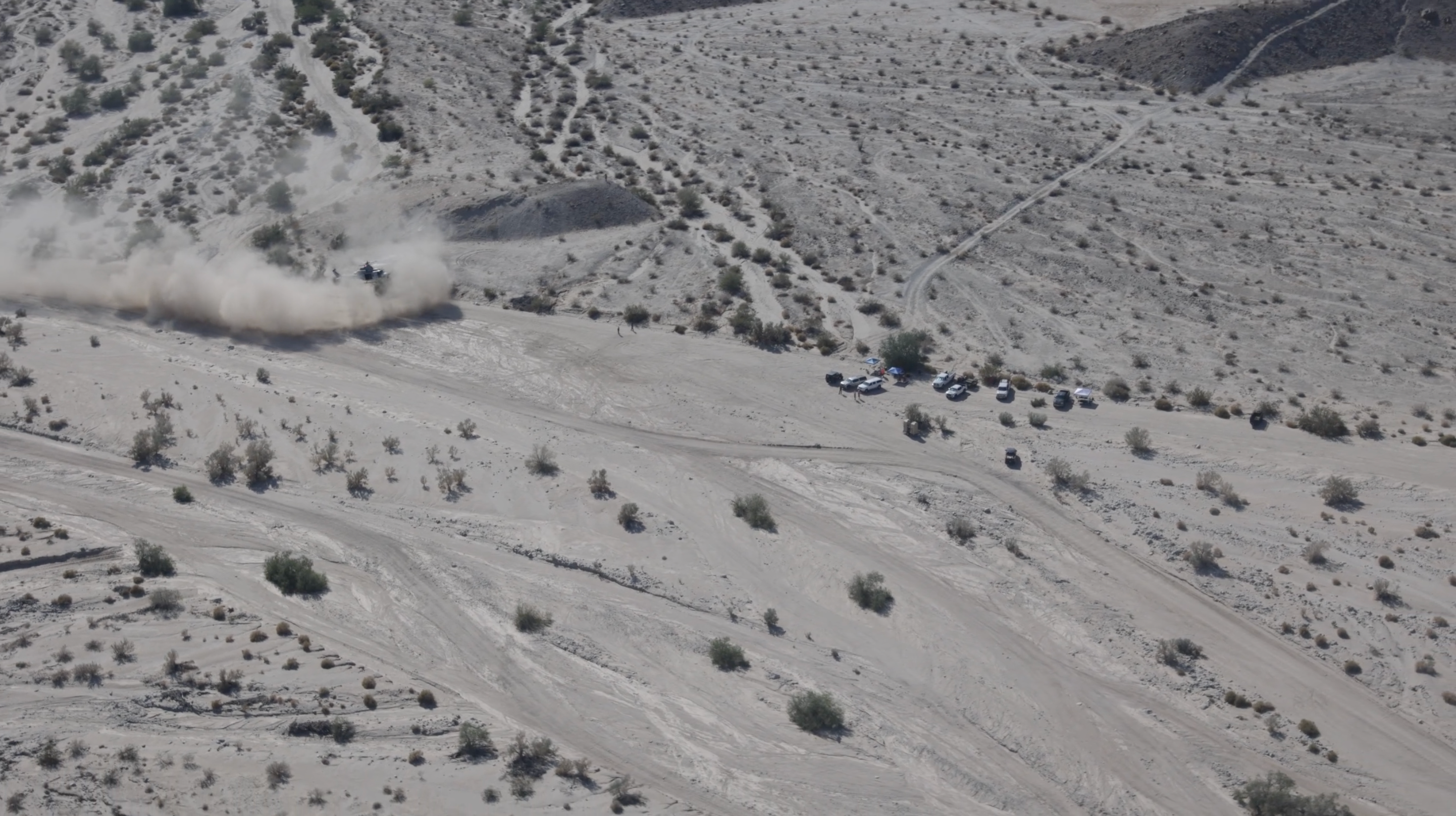
Two UH-1Y Venom helicopters and 12 to 18 Marines, all volunteering their own weekends, joined the operation. A donated 6,000-gallon tanker truck supplied water, which volunteers staged in 275-gallon totes before helicopters ferried them on a 9.5-mile, 3,000-foot climb to the guzzler site. A ground crew hiked in before dawn to pump the water into storage tanks.
The partnership traces back to the California Chapter of BHA's Armed Forces Initiative, which built the original relationship with the Marine Corps through a California Chapter of BHA board member stationed at Camp Pendleton. That connection is what made helicopter-supported conservation work possible in this remote stretch of desert.
Between donated equipment, volunteer hours, and military aviation support, the operation carried an estimated value of $100,000.
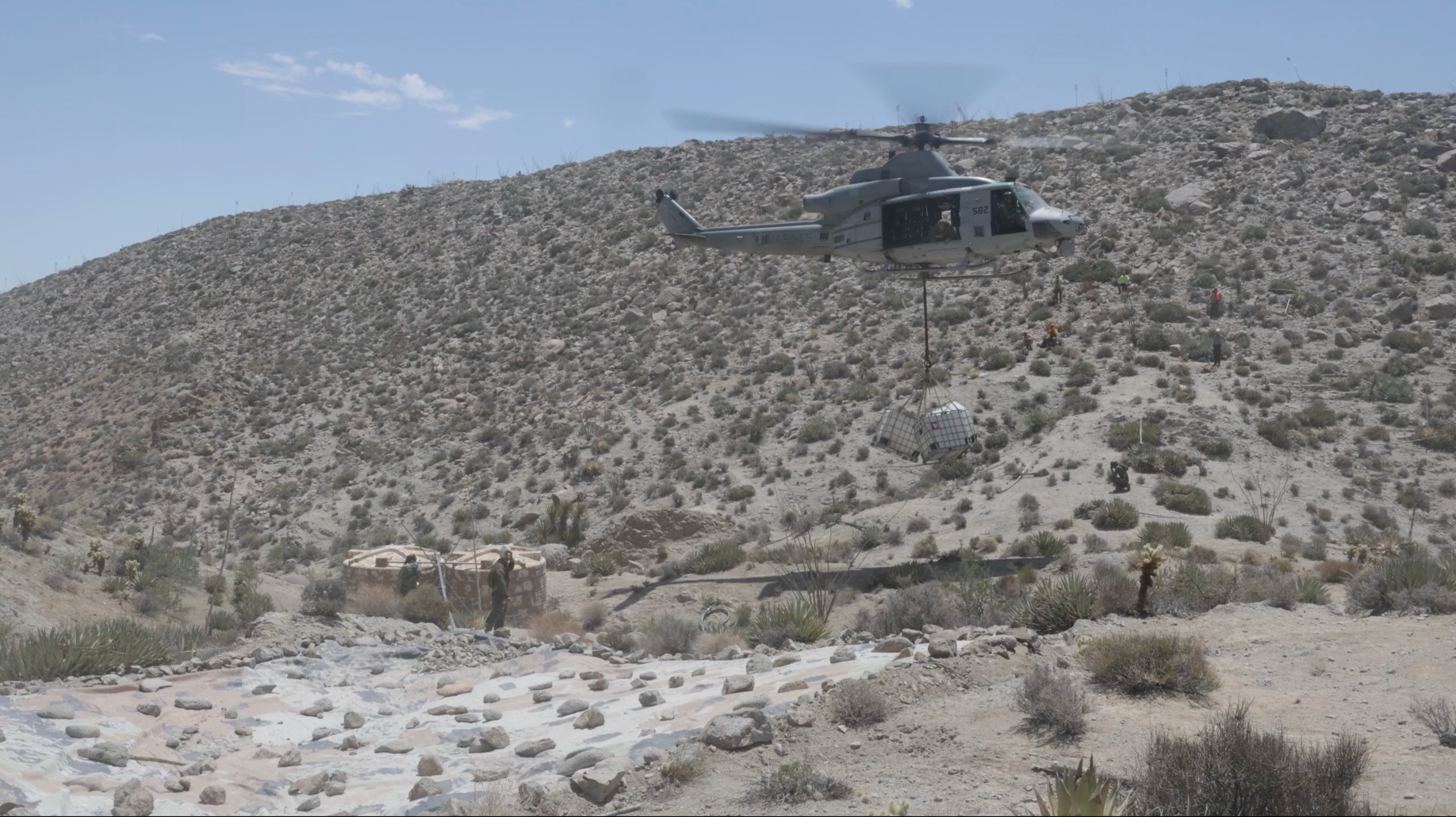
The Results:
The weekend delivered exactly what the sheep needed. Crews replenished and repaired the Whale Peak drinker with roughly 4,000 gallons of water and added another 1,600 gallons to the Sunset drinker after making minor repairs on the system there as well. Volunteers hiked in to pump water at both sites (Whale Peak on Saturday, Sunset on Sunday) while HMLAT-303 transported water from the delivery truck at camp. The team also recovered a Peninsular bighorn sheep mortality collar, adding valuable data to ongoing population monitoring efforts.
The weekend included a Friday dinner catered by Desert Wildlife Unlimited, with a halibut ceviche and chile verde dinner Saturday supplied by BHA’s Devin O’Dea and Robert Jewell.
Why It Matters:
As Devin O'Dea, BHA's Western Policy & Conservation Manager, put it in advance of the mission, "this kind of work has been happening in this region for five years, and each project is part of a larger goal to grow and sustain the bighorn population."
Missions like this one show what's possible when public agencies, nonprofits, and the military work toward a shared conservation goal. With Whale Peak and Sunset both replenished, Peninsular bighorn sheep have a better chance at making it through the hottest months of the year, and the partnerships built this weekend leave the door open to repeat this kind of effort in the future.
700