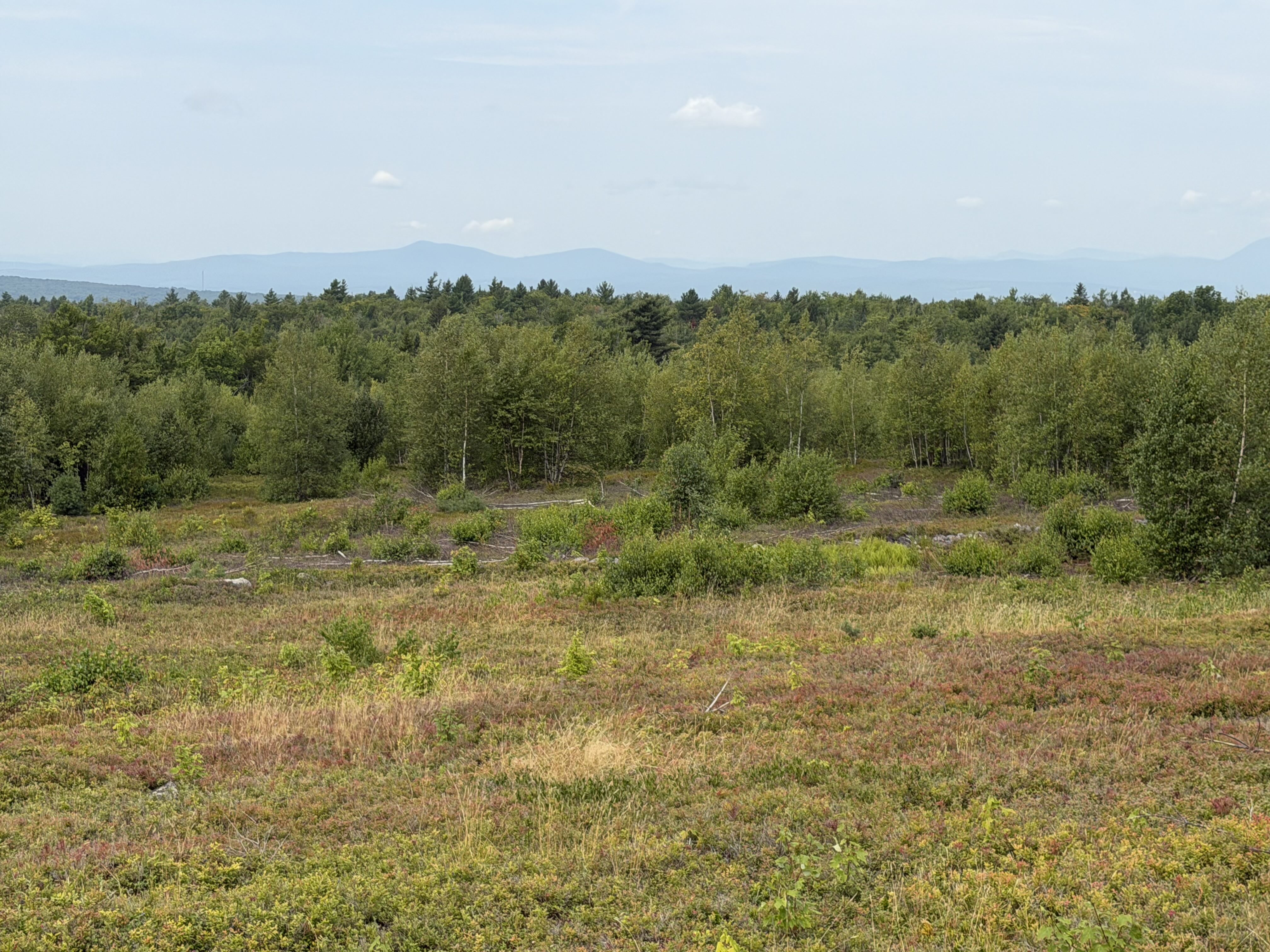
 The New England Chapter of Backcountry Hunters & Anglers (BHA) has awarded grant funding to support shrubland and young forest habitat management in the Kennebec Highlands of Maine.
In 2025, the New England Chapter of BHA committed grant funding to advance the organization’s mission across the region. BHA seeks to ensure North America’s outdoor heritage of hunting and fishing in natural settings through education and work on behalf of wild public lands, waters and wildlife.
While BHA is active across many areas of conservation, this grant program sought projects that would make a measurable and lasting difference for New England’s public lands, waters and wildlife, as well as the hunters and anglers who enjoy them. The program also received generous support from L.L.Bean.
Following a review of proposals, the chapter selected the Kennebec Highlands York Hill Shrublands & Young Forest Habitat Management Project for funding.
About the Kennebec Highlands
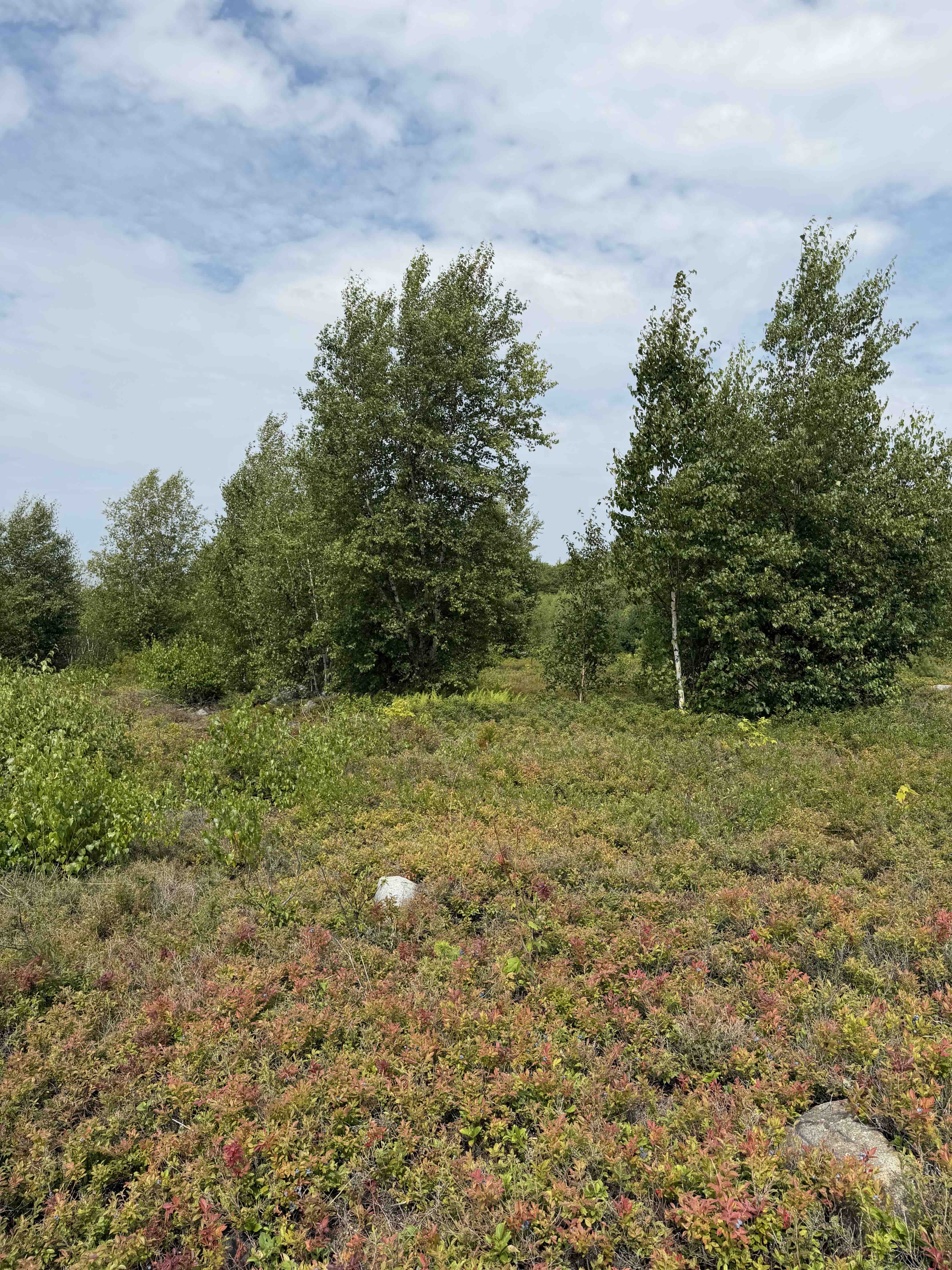
 The Maine Bureau of Parks and Lands’ (BPL) Kennebec Highlands Unit is a 7,200-acre public reserve spanning the towns of Rome, Mount Vernon, Vienna, and New Sharon and encompassing the highest summits in Kennebec County.
The property offers miles of trails for hiking, mountain biking, snowmobiling and ATV riding, along with secluded ponds and pristine streams for fishing and extensive forestland for hunting.
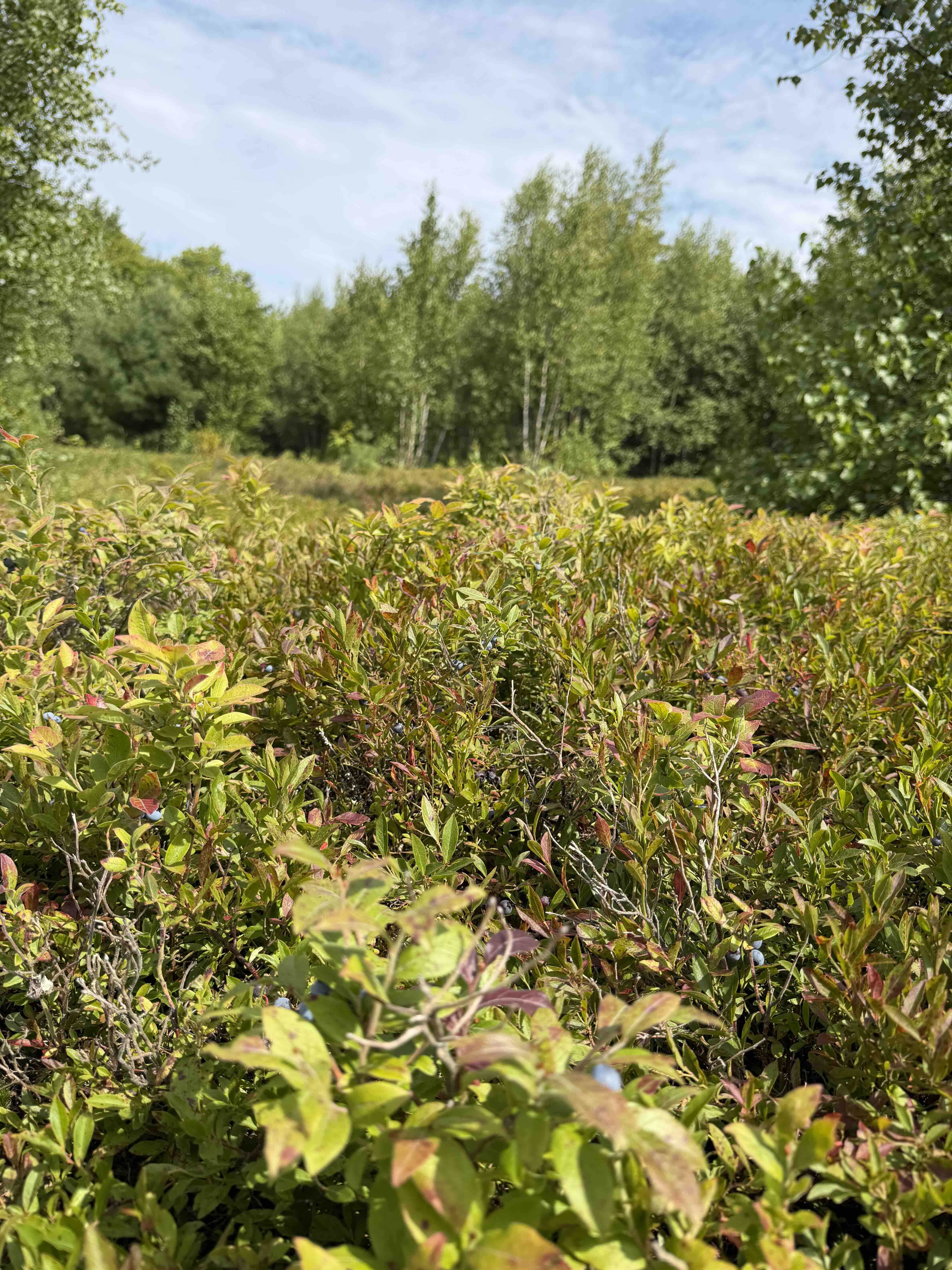
Using funding from the Land for Maine’s Future program, BPL acquired parcels from the George C. Allen Property Trust that include blueberry fields formerly used for commercial production. During a recent management plan update, portions of the property were designated primarily for wildlife habitat.
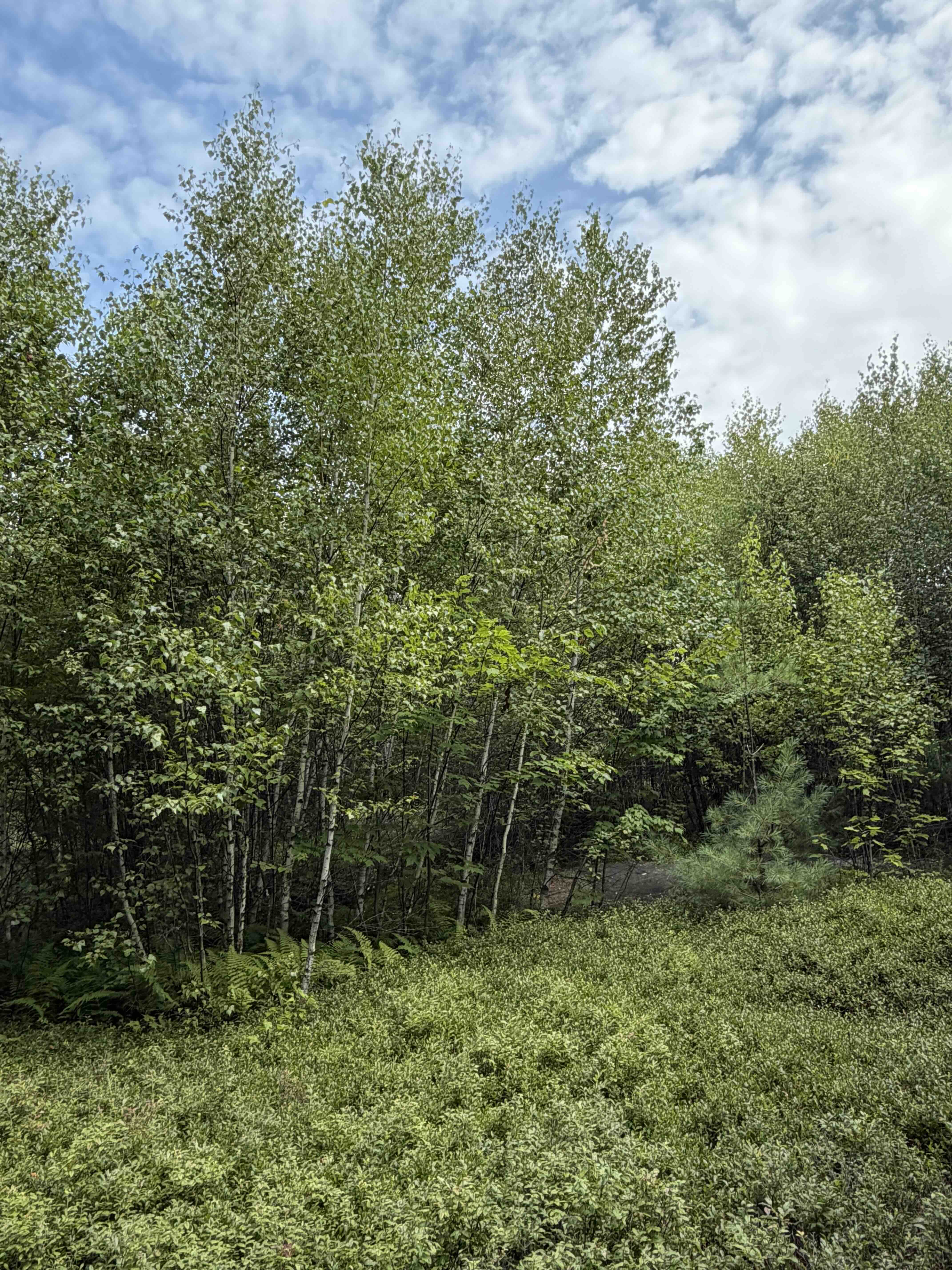
The York Hill fields have not been commercially managed since approximately 2006. Today, the area includes a mosaic of blueberry fields, early successional habitat and young forest surrounded by more mature forest.
BPL proposes periodically managing vegetation in the former fields to maintain a mix of open blueberry areas, taller shrubland and young forest. These conditions provide important habitat for moose, deer and snowshoe hare, as well as breeding habitat for birds including eastern towhee, indigo bunting, field sparrow, white-throated sparrow and chestnut-sided warbler.
The work will also benefit species identified in Maine as Threatened, Special Concern, and Species of Greatest Conservation Need that depend on shrubland and young forest habitat. More common game species, including American woodcock, wild turkey and black bear, are also expected to benefit.
Habitat Management
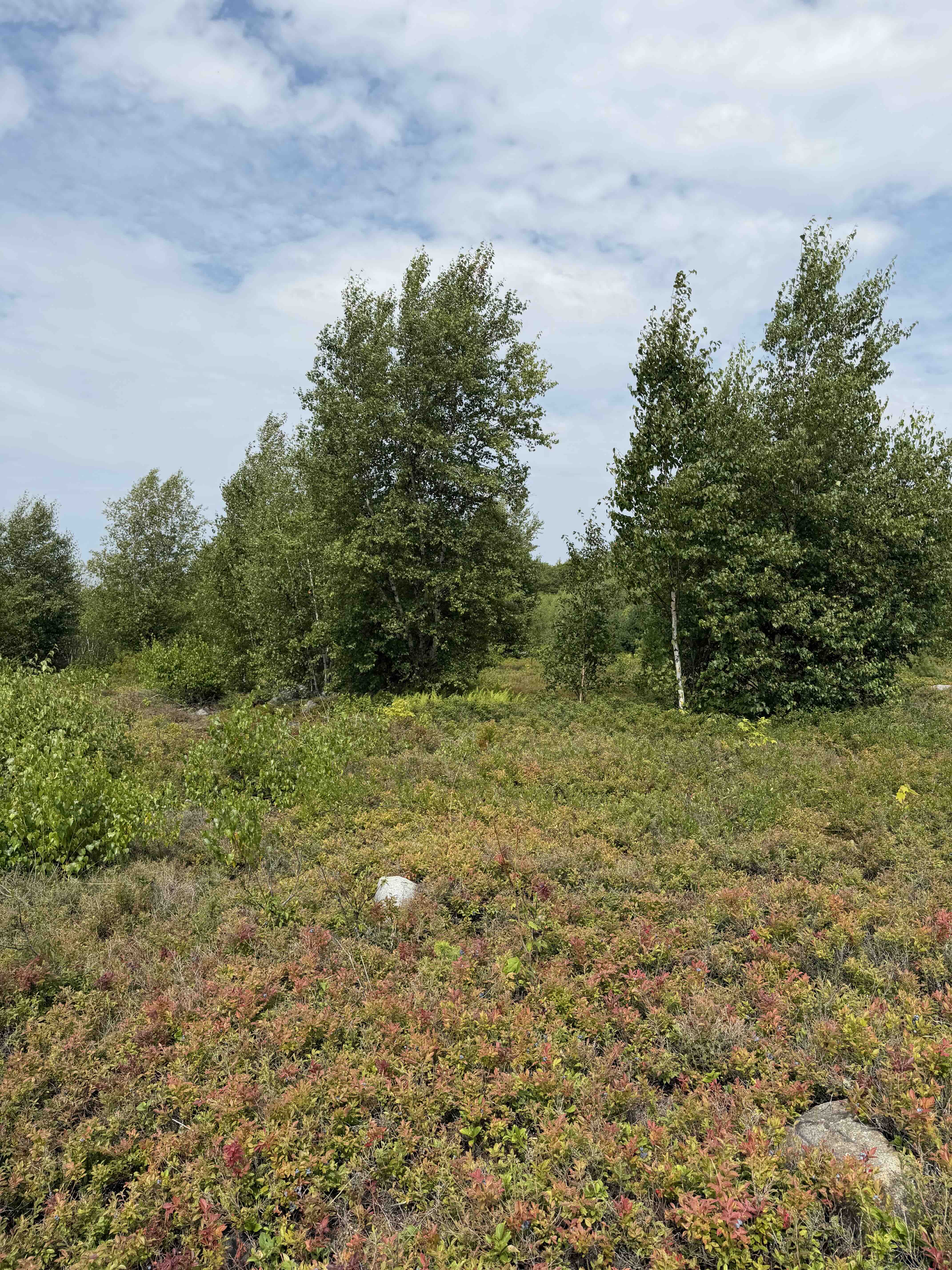 The project will maintain several complementary habitat conditions:
Young Forest: A 12-acre area currently dominated by dense gray birch will be periodically mulched in 3- to 6-acre blocks during the winter using equipment capable of grinding stems to ground level. Grant funding will support the initial treatments. Afterward, the objective is to maintain six acres through mulching on an approximately 10-year cycle.
Open Blueberry: Open conditions will be maintained on four acres using hand tools, including hand saws, powered brush saws and chainsaws. Work will be completed by BPL and Maine Department of Inland Fisheries and Wildlife (MDIFW) staff, BHA volunteers and other recruited volunteers, including community and land trust members.
Interspersed Shrubland: Portions of a 17-acre area will be periodically maintained using hand tools. The goal is to remove regeneration taller than three feet on approximately two acres each year, resulting in the entire area being treated every eight to nine years. BPL and MDIFW staff, BHA volunteers and other community volunteers will help complete this work.
Habitat Edges: In both the open blueberry and interspersed shrubland areas, management will encourage denser shrubs and small trees along forest edges, access roads and rock walls. The objective is to maintain a varied transition between open areas and the surrounding forest, providing additional habitat structure for wildlife.
Volunteer Opportunities
 BHA plans to organize volunteer stewardship events to help cut and pile brush within the interspersed shrubland and open blueberry areas. BPL and MDIFW staff will be on-site to provide implementation guidance and, depending on timing and conditions, may burn brush piles.
Those interested in volunteering on the project can contact maine@backcountryhunters.org.
Backcountry Hunters & Anglers works to ensure North America’s outdoor heritage of hunting and fishing in natural settings through education and advocacy on behalf of wild public lands, waters and wildlife.
47