A Balanced Vision for Massachusetts: BHA New England Supports MassWildlife's Updated Habitat Goals
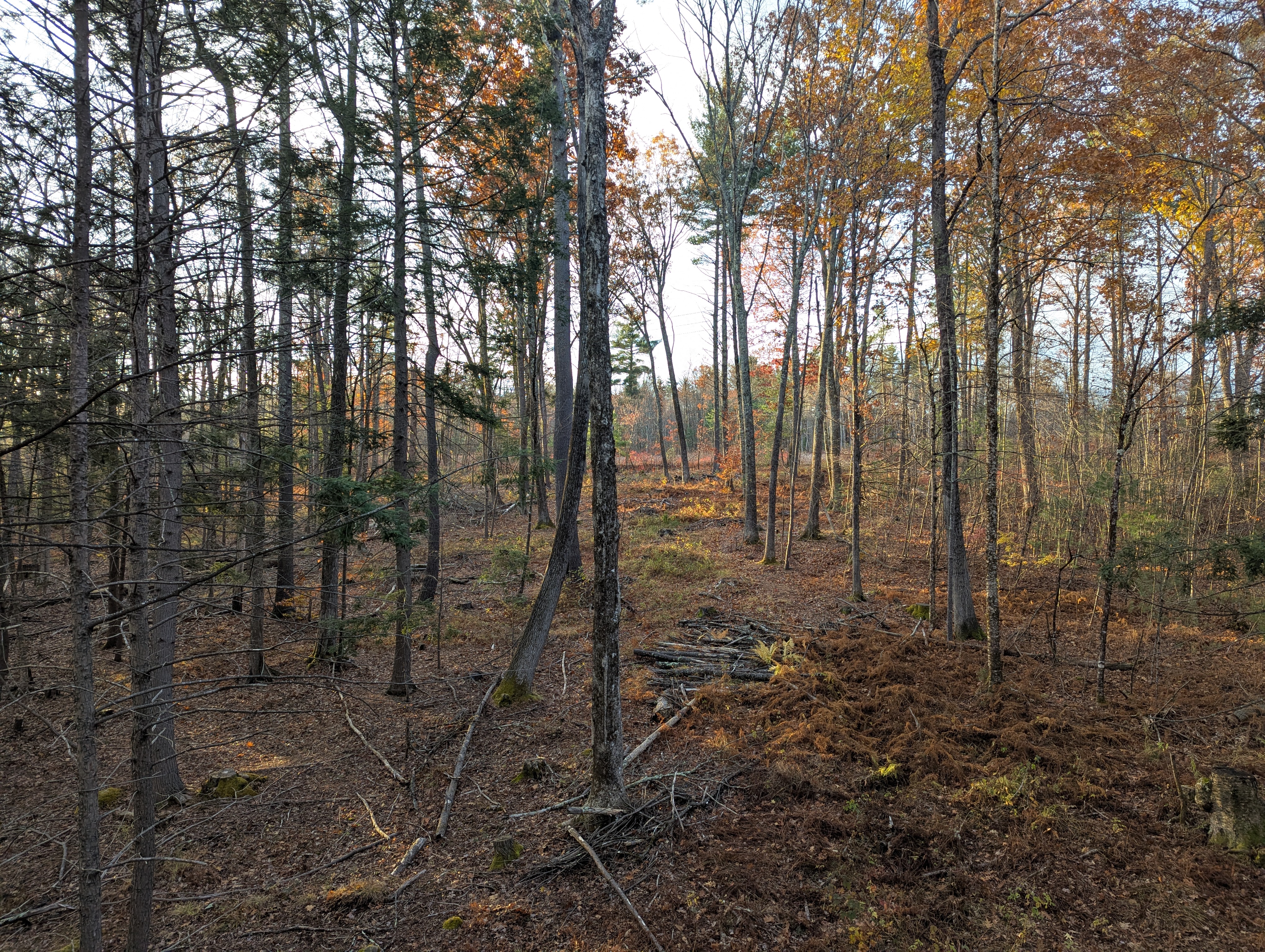
For hunters, anglers, and wildlife enthusiasts, the health of the landscape is central to our pursuits and our conservation values. The places we cherish are dynamic ecosystems that benefit from thoughtful, science-based management. MassWildlife has released a significant proposal to update its upland habitat management goals for its Wildlife Management Areas (WMAs). The New England Chapter of Backcountry Hunters & Anglers (BHA) has reviewed these goals and submitted formal comments.
The proposal addresses a recognized conservation challenge. Both open habitats and mature forests are declining across Massachusetts. MassWildlife's plan aims to create a "dynamic upland habitat mosaic" across the roughly 126,000 acres of uplands it manages. This approach is responsive to data from the 2025 State Wildlife Action Plan, which identifies that 45% of the state’s Species of Greatest Conservation Need depend on open habitats.
Understanding the Proposed Framework
The draft strategy outlines specific targets for habitat composition on MassWildlife lands:
BHA New England's Submitted Comments
In our feedback (CLICK HERE to Review), our chapter expressed general support for the balanced habitat framework and the use of active management tools. We also provided several points for the agency's consideration to ensure the plan's long-term effectiveness for both wildlife and the public.
Our comments focused on four key areas:
-
Active Management Must Remain a Tool, Even in Reserves: We view the large expansion of "Forest Reserves" with caution. However, we appreciate the agency’s note that some mature forests "may require active management." We strongly urged that this flexibility not just be preserved on paper, but be routinely exercised. Reserves must not become "hands-off" zones. They should allow actions for wildlife habitat health, public safety such as fuel reduction, infrastructure protection, or combating invasive species.
-
Public Access is Non-Negotiable: MassWildlife lands are the bedrock of public hunting, fishing, and outdoor recreation in the Commonwealth. We requested a clear, unequivocal commitment. Habitat management, in any form, will prioritize and never permanently preclude public access. The success of this plan is measured not just in ecological metrics, but in continued public enjoyment and tradition.
-
Clarify and Strategize "Managed in Place": The concept of maintaining 50% of young forest acres in the same location is pragmatic. We seek assurance that these sites will be strategically chosen. They should maximize wildlife connectivity and benefit, and be actively monitored to ensure they deliver high-quality cover and forage over time.
-
Engage the Conservation Community: We encouraged MassWildlife to formally engage local BHA volunteers and other hunting and angling groups as partners. Our community is ready to assist with monitoring, maintenance, and outreach. We can bring boots-on-the-ground support to help achieve these landscape goals.
An Important Opportunity for Input
MassWildlife's draft goals represent a comprehensive planning effort to guide stewardship on public lands. The proposal considers biodiversity, climate resilience, and recreational access.
The public comment period on these goals remains open until 5 p.m. on July 31, 2026. We encourage all stakeholders interested in the future of Massachusetts's wildlife and public lands to review the detailed proposal and provide feedback.
BHA New England believes that robust public engagement and collaborative stewardship are essential for successful conservation. We appreciate the opportunity to contribute to this process and look forward to continued dialogue with MassWildlife.
270
New England BHA Chapter
New England BHA is a voice for the sporting community in New England that values solitude, silence, clean and free flowing rivers, and habitat for large, wide-ranging wildlife.
Other posts by New England BHA Chapter
Contact author
Full biography
Full biography
New England BHA is a voice for the sporting community in New England that values solitude, silence, clean and free flowing rivers, and habitat for large, wide-ranging wildlife.
x