Alaska Board of Game Tables Proposal 4 on Ambler Road Restrictions
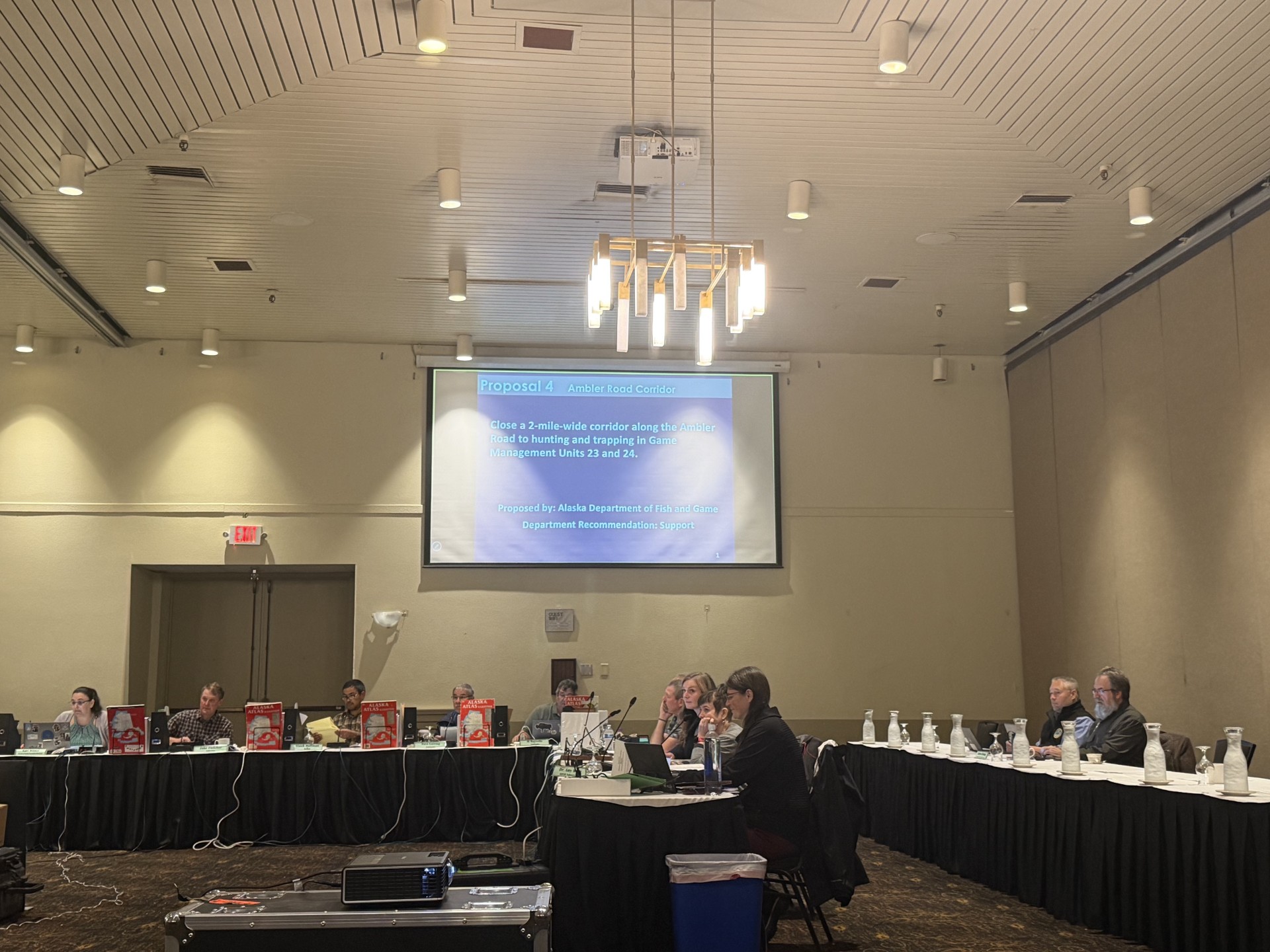
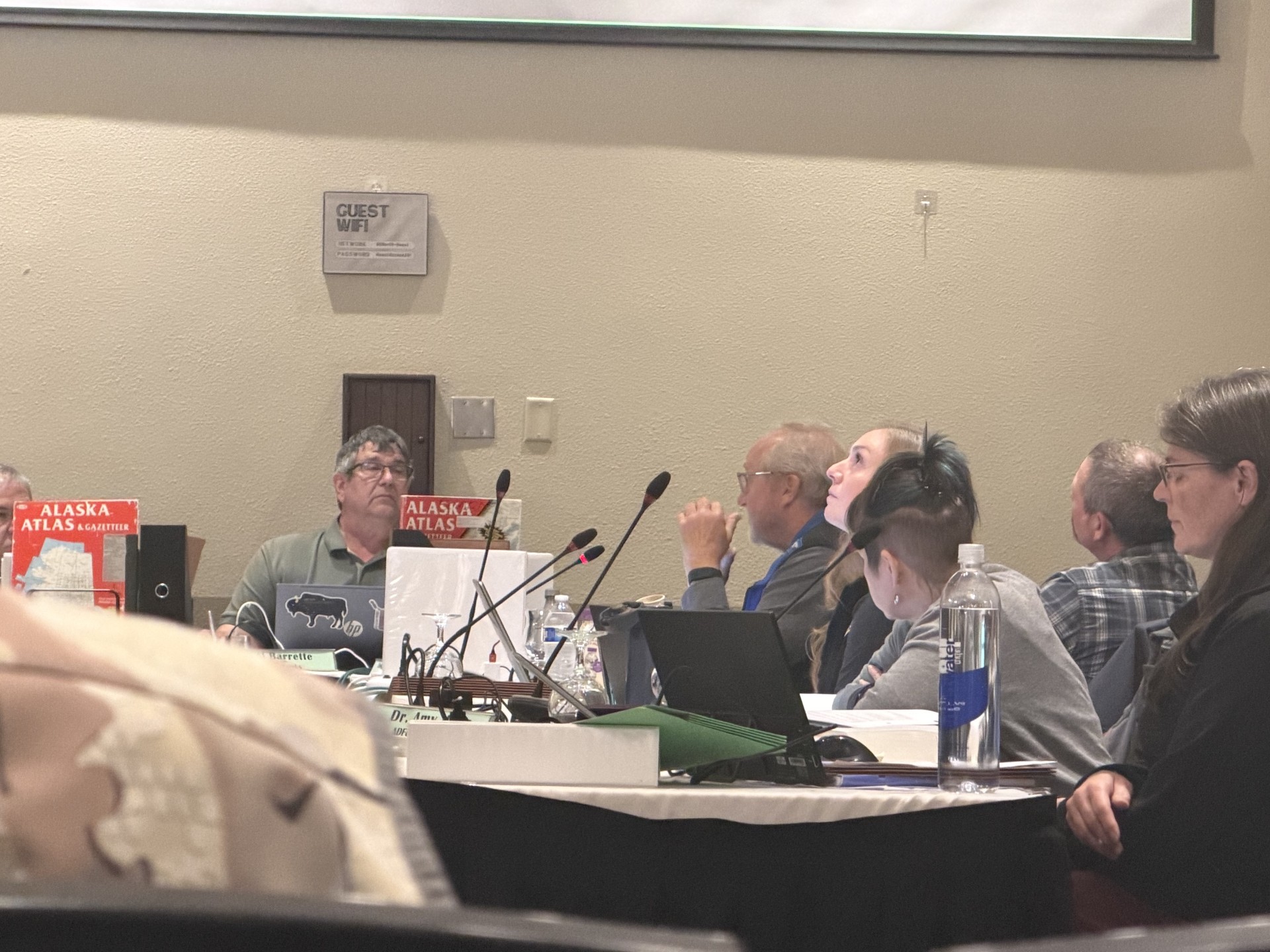
The Alaska Board of Game met in Fairbanks on July 22nd and 23rd 2026, for a Special Meeting called by the Commissioner, that included consideration of Proposal 4, a controversial proposal that would restrict hunting access along the proposed Ambler Industrial Road corridor.
Backcountry Hunters & Anglers opposed Proposal 4. We believe decisions about hunting and access should be grounded in wildlife biology, public process, and the interests of Alaskans—not made as part of a larger, private OR private-industrial development agreement.
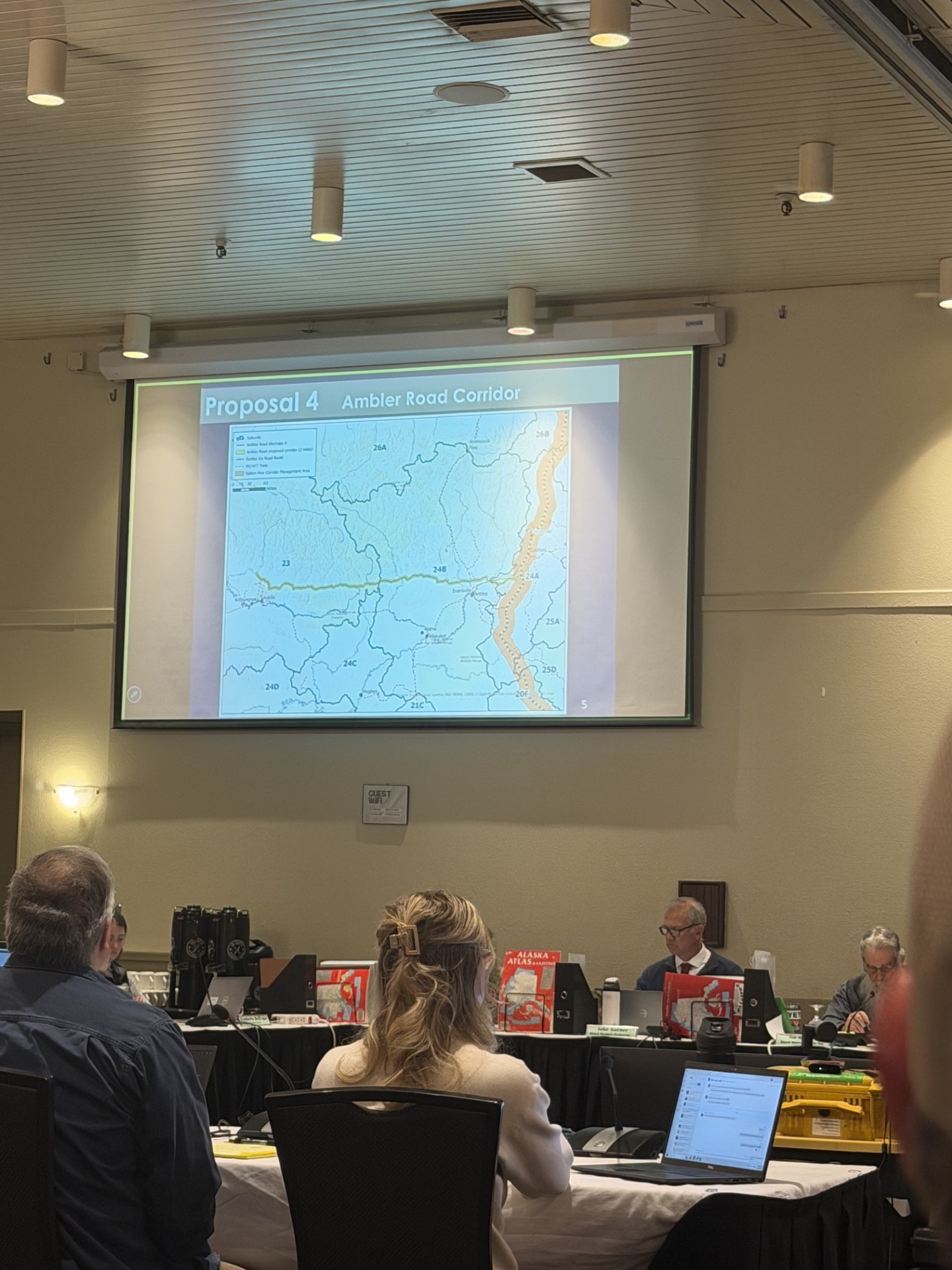
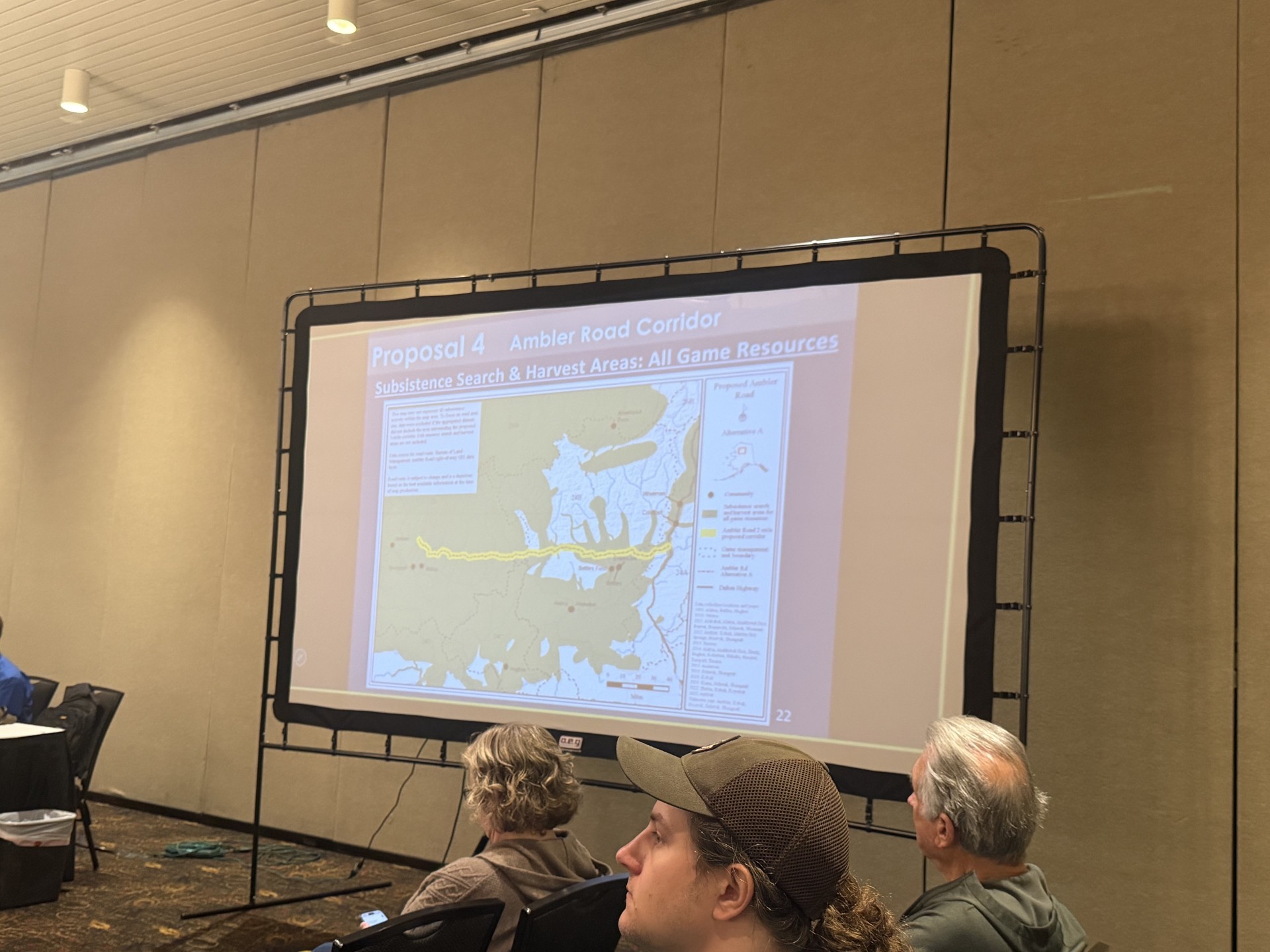
The proposal was brought forward by the Alaska Department of Fish & Game in connection with an agreement involving the state, tribal entities, and the Ambler Industrial Road project. During the meeting, ADF&G Commissioner Vincent Lang explained, that assurances around potential trespass were part of a memorandum of understanding connected to continued permitting of the road. AIDEA’s project manager, Joe Kemp, told the Board that the proposed road would be gated and guarded, with an anticipated 10 vehicles per day. Construction is optimistically projected to begin in 2028, but funding, stream surveys and other requirements have not yet been completed. This estimate of 10 vehicles per day is much different than the estimates in the Environmental Impact Statement (EIS) for the Ambler Road. The EIS estimates that the Annual Average Daily Traffic (AADT) projections are 168 vehicle trips per day on the Ambler Road, increasing to as many as 238 additional vehicle trips per day on the Dalton Highway.
During the discussion, Commissioner Lang was candid that the proposal was intended in part to keep the Ambler Road planning and permitting process moving forward. He explained that the department chose to bring the issue to a special Board of Game meeting rather than wait for the regular cycle because there are time commitments to keep the broader planning timeline on track. He also referenced upcoming discussions with the Governor’s Office and White House about the Ambler project. In other words, Proposal 4 was considered not simply as a wildlife-management question, but within the larger timeline and polity surrounding the proposed Ambler Road. That distinction matters. The Board was being asked to restrict hunting and fishing before the road has been built—and without a biological study examining how the road could affect hunting and trapping as well as subsistence use. AIDEA told the Board that construction is optimistically projected to begin in 2028, with completion potentially in 2030–2032, and that funding has not yet been secured.
For BHA, the fundamental issue is straightforward: we should not close hunting country before there is a demonstrated wildlife-management need to do so.
The proposal also raised significant concerns about public access. The Ambler Road is expected to be privately operated, gated and guarded, similar to other industrial roads in Alaska. Yet Proposal 4 would add hunting restrictions on top of those access limitations. As one Board member noted, this risks setting a troubling precedent in which economic and resource development comes at the expense of hunting and land access.
We also believe the public deserved more time to weigh in. The special meeting was called during the summer fishing season, with a short window for public participation. Multiple advisory committees, hunters, and other members of the public expressed concern about the process and urged the Board to slow down. The Board ultimately agreed that more public comment was needed, particularly from residents of the affected region and the Advisory Committees (AC). Alaska has 84 ACs, and only five were able to get a quorum to weigh in on the proposals before the Board of Game during this Special Meeting.
The Board did not approve Proposal 4. Instead, it tabled the proposal until the Western Arctic/Western Region statewide meeting in Kotzebue in January 2027.
Doing this allows time to gather public input and hear directly from hunters and trappers and the Advisory Committees that did not have a chance to weigh in on this proposal on such short notice.
Alaskans should not have to trade away hunting opportunity and access to public lands as the price of development. We’ll continue to follow Proposal 4 and advocate for decisions that protect hunting opportunity and meaningful access for Alaskans.
659