Opportunity for Public Comment
Proposed North Slope Data Center Raises Questions About Wildlife, Public Lands, and Alaska's Energy Future
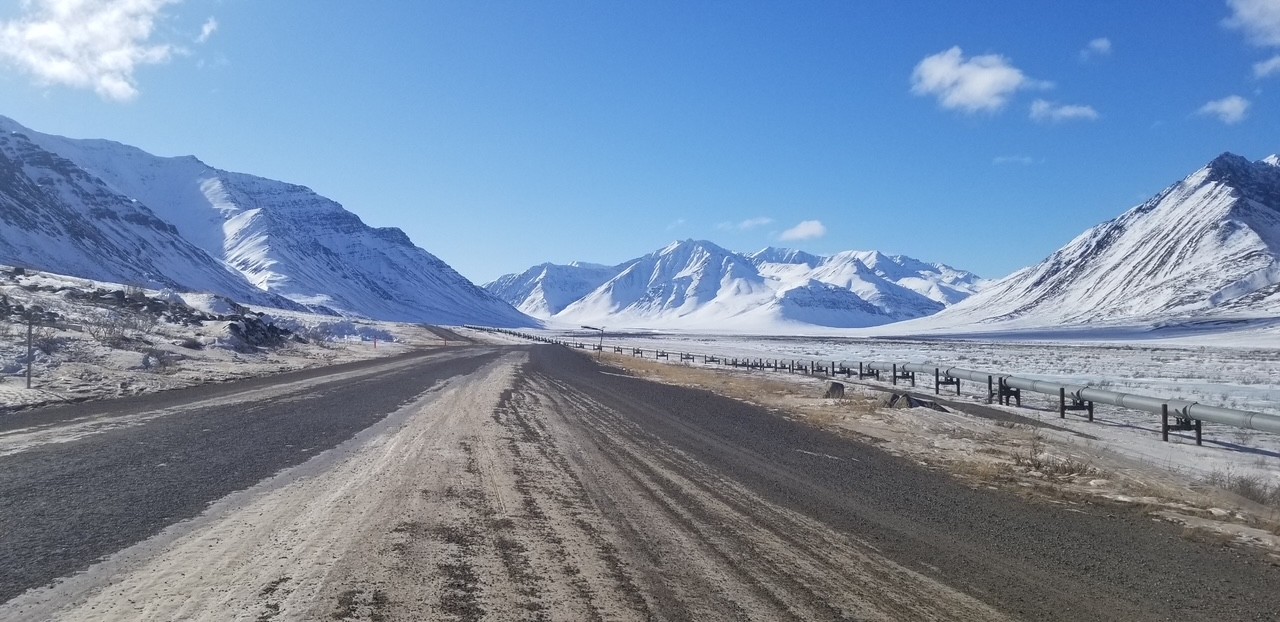
A new proposal before the State of Alaska could bring one of the largest artificial intelligence and high-performance computing facilities in the country to the North Slope.
The project would lease approximately 640 acres of state land near the Dalton Highway, roughly 26 miles south of Deadhorse, for a large-scale natural gas-powered data center and energy campus. Supporters point to potential economic opportunities, increased demand for North Slope natural gas, and Alaska's emerging role in the rapidly growing AI sector.
For Alaska's hunters and anglers, however, the conversation extends beyond a single facility footprint.
The North Slope contains some of the most important fish and wildlife habitat in North America. It supports migratory bird populations that travel across continents, caribou herds that sustain both subsistence users and recreational hunters, and vast public landscapes that define Alaska's outdoor traditions. Backcountry Hunters & Anglers supports responsible resource development and recognizes the important role development plays in Alaska's economy. But projects of this scale deserve careful review—not only for their direct impacts, but also for the broader questions they raise about public lands, wildlife, and the future of development in the Arctic.
One of the key issues is cumulative impact. While the proposed facility itself occupies a relatively small footprint, large industrial projects often require far more than the land immediately shown on a map. Power generation, natural gas delivery systems, communications infrastructure, transportation improvements, worker housing, gravel extraction, and future expansion opportunities all have the potential to influence how the surrounding landscape functions over time.
Hunters and anglers have seen this pattern before. The long-term effects of development are often shaped not by a single project, but by the infrastructure and industrial activity that follow. Wildlife considerations also deserve close attention. Increased human activity, lighting, noise, traffic, and infrastructure density can affect wildlife movement and habitat use well beyond the project boundary. Questions remain about how the development could influence caribou movements, migratory birds, habitat connectivity, and access to public lands that support hunting, fishing, and outdoor recreation.
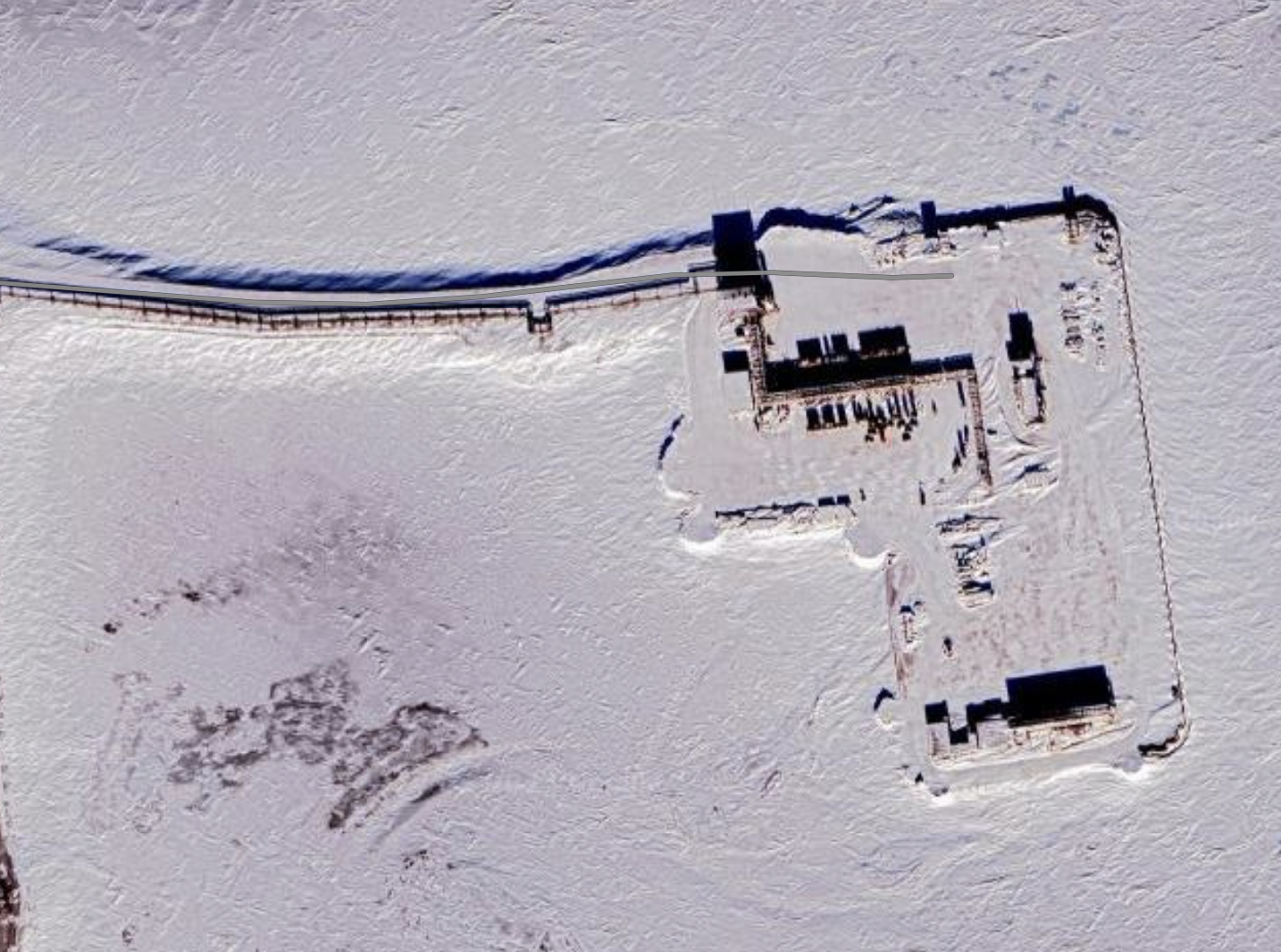
A gravel pad at Hilcorp's Endicott oil field is being used to test data center and cryptocurrency mining operations on Alaska's North Slope, offering an early look at how emerging AI and computing infrastructure may intersect with the region's existing energy development footprint. (Google Maps imagery; data from Google and Maxar Technologies.).
The proposal also raises broader questions about Alaska's energy future. As the state explores new opportunities to monetize North Slope natural gas, Alaskans should have a clear understanding of the long-term public benefits associated with projects like this. How many permanent jobs will be created? What public infrastructure investments will be required? What revenues will flow back to the state? How does this project fit within Alaska's broader energy strategy over the next several decades? These are reasonable questions, particularly when considering a lease that could dedicate public land to a specific industrial use for up to 50 years.
At its core, this discussion is not about whether Alaska should pursue economic development. It is about ensuring that development decisions are informed by sound science, transparent analysis, and a full understanding of the tradeoffs involved. Alaska's fish and wildlife resources, public access opportunities, and outdoor traditions are among the state's greatest assets. As this proposal moves through the review process, they deserve the same careful consideration as the economic opportunities being proposed.
The State of Alaska is currently accepting public comments on the project through June 15.
BHA encourages hunters, anglers, and public land users to learn more, review the proposal, and participate in the public process.
Decisions made today will help shape the future of Alaska's North Slope for decades to come.
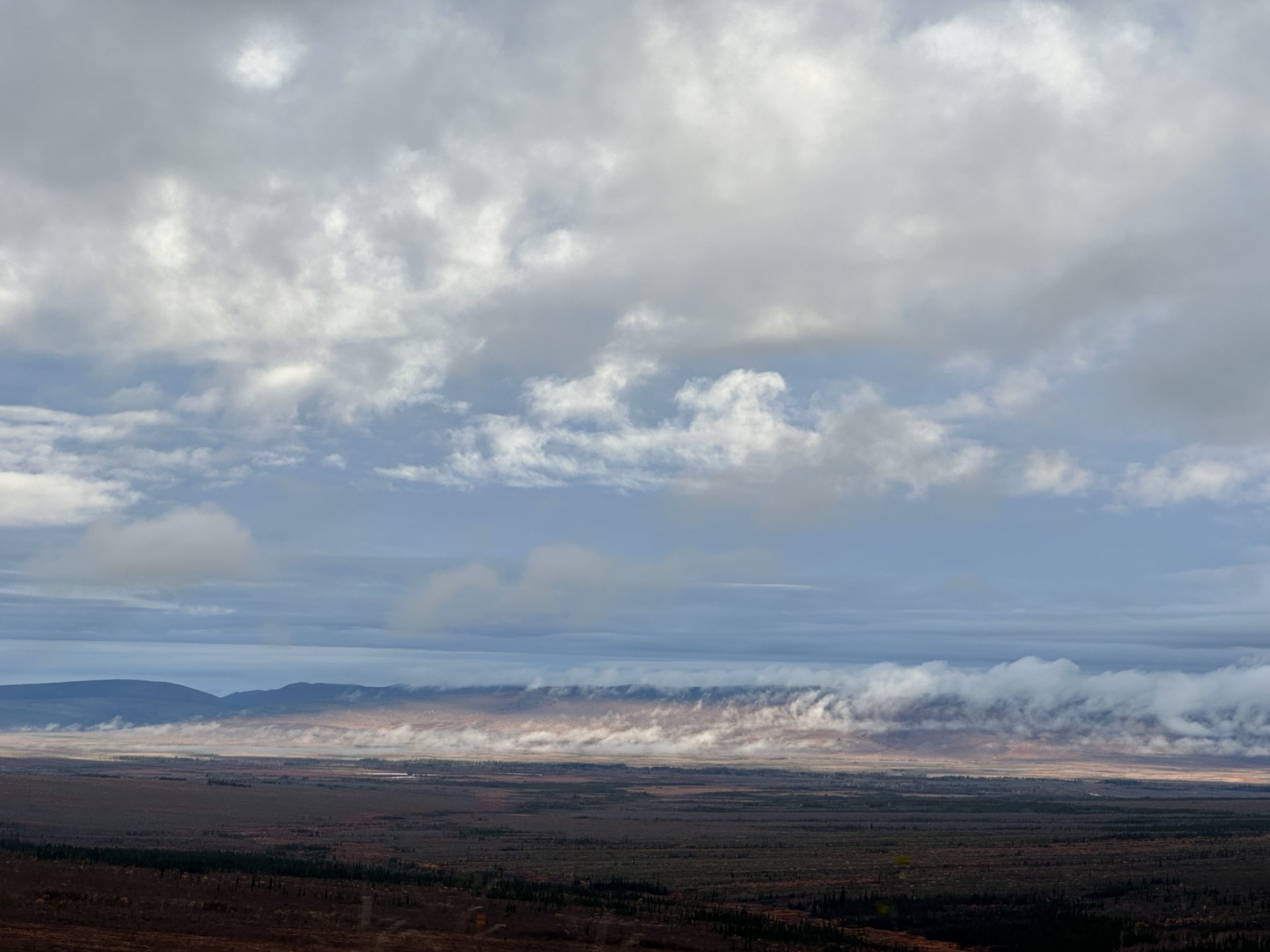
Hunters, anglers, and public land users deserve a seat at the table when decisions of this magnitude are being considered.
Submit your comments to the Alaska Department of Natural Resources before the June 15 deadline and ask for a transparent review that fully considers wildlife, public access, subsistence resources, and cumulative impacts.
View the public notice here:
https://aws.state.ak.us/OnlinePublicNotices/Notices/View.aspx?id=223817
View and echo the comments submitted by the Alaska Chapter of BHA here:
https://takeaction.io/bha/speak-up-on-proposed-north-slope-data-center-development/
869